
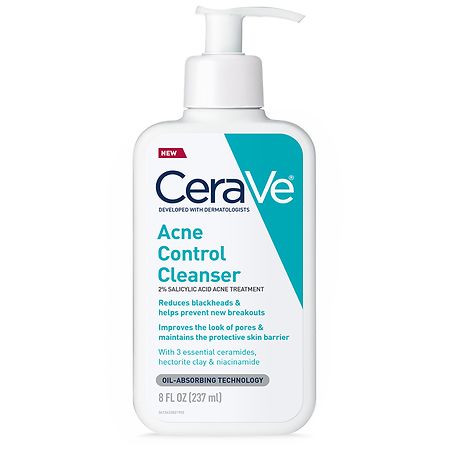

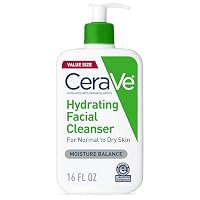


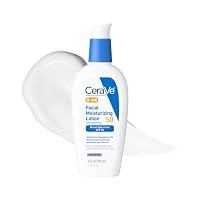

CeraVe Acne Face Cleanser with 2% Salicylic Acid and Purifying Clay for Oily Skin - 8 fl oz: Paraben-Free, Alcohol-Free, Gel Form, Exfoliating
Analysis updated August 2026 · How Scout scores
At a glance
Summary
This face cleanser contains beneficial ingredients like niacinamide, ceramides, and hydrolyzed hyaluronic acid, which support skin hydration and barrier restoration. However, the presence of PEG compounds and acrylates copolymer introduces some synthetic elements, which slightly detract from the overall ingredient safety. The product is processed, which limits its maximum potential score despite its beneficial components.
Key ingredients 31
Ceramide APVery Good
Ceramide AP is a skin-identical lipid that helps to restore the skin barrier. It improves skin hydration and reduces transepidermal water loss. It is beneficial for maintaining healthy skin.
Risks
There are minimal risks associated with ceramides.
Benefits
Ceramide AP helps to strengthen the skin barrier and improve moisture retention.
Ceramide EOPVery Good
Ceramide EOP is a lipid that helps to restore the skin barrier. It improves skin hydration and reduces transepidermal water loss. It is beneficial for dry and sensitive skin types.
Risks
There are minimal risks associated with ceramides.
Benefits
Ceramide EOP helps to strengthen the skin barrier and retain moisture.
Hydrolyzed Hyaluronic AcidVery Good
Hydrolyzed Hyaluronic Acid is a smaller molecule form of hyaluronic acid. It penetrates the skin more easily and provides deep hydration. It is well-tolerated by most skin types and is a popular ingredient in skincare.
Risks
There are minimal risks associated with hyaluronic acid.
Benefits
It helps to hydrate the skin and improve its elasticity.
GlycerinGood
Glycerin is a humectant that attracts moisture to the skin. It helps to hydrate and maintain the skin's moisture barrier. It is widely used in skincare for its moisturizing properties.
Risks
There are minimal risks associated with glycerin, though it may cause irritation in very sensitive skin.
Benefits
Glycerin helps to keep the skin soft and supple by drawing moisture from the environment.
NiacinamideGood
Niacinamide is a form of Vitamin B3 that offers multiple skin benefits. It helps improve skin texture, reduce redness, and strengthen the skin barrier. It is well-tolerated by most skin types and is a popular ingredient in skincare.
Risks
There are minimal risks, though high concentrations may cause irritation.
Benefits
Niacinamide helps to brighten the skin and reduce the appearance of pores.
GluconolactoneGood
Gluconolactone is a polyhydroxy acid (PHA) that provides gentle exfoliation. It helps to improve skin texture and hydration. It is suitable for sensitive skin due to its mild nature.
Risks
There are minimal risks, though it may cause mild irritation in very sensitive skin.
Benefits
Gluconolactone helps to exfoliate the skin gently and improve moisture retention.
Ceramide NPGood
Ceramide NP is a lipid that helps to restore the skin barrier. It improves skin hydration and reduces transepidermal water loss. It is beneficial for dry and sensitive skin types.
Risks
There are minimal risks associated with ceramides.
Benefits
Ceramide NP helps to strengthen the skin barrier and retain moisture.
CholesterolGood
Cholesterol is a lipid that helps to restore the skin barrier. It improves skin hydration and reduces transepidermal water loss. It is beneficial for maintaining healthy skin.
Risks
There are minimal risks associated with cholesterol.
Benefits
Cholesterol helps to strengthen the skin barrier and improve moisture retention.
PhytosphingosineGood
Phytosphingosine is a lipid that helps to restore the skin barrier. It has anti-inflammatory and antimicrobial properties. It is beneficial for maintaining healthy skin.
Risks
There are minimal risks associated with phytosphingosine.
Benefits
It helps to strengthen the skin barrier and reduce inflammation.
Salicylic Acid 2%Good
Salicylic Acid is a beta hydroxy acid (BHA) used for its exfoliating properties. It helps to unclog pores and reduce acne. It is effective for oily and acne-prone skin.
Risks
It may cause irritation or dryness in sensitive skin.
Benefits
Salicylic Acid helps to exfoliate the skin and reduce acne breakouts.
WaterNeutral
Water is a common solvent used in cosmetic formulations. It helps dissolve other ingredients and provides a base for the product. It is generally considered safe and non-irritating.
Risks
There are no significant risks associated with water in cosmetics.
Benefits
Water helps to hydrate the skin and improve the texture of the product.
Cocamidopropyl HydroxysultaineNeutral
Cocamidopropyl Hydroxysultaine is a mild surfactant derived from coconut oil. It is used to create foam and cleanse the skin without stripping natural oils. It is generally well-tolerated by most skin types.
Risks
In rare cases, it may cause mild irritation or allergic reactions.
Benefits
It provides gentle cleansing and helps maintain skin moisture.
Sodium Methyl Cocoyl TaurateNeutral
Sodium Methyl Cocoyl Taurate is a mild surfactant derived from coconut oil. It is used for its foaming and cleansing properties. It is considered gentle and suitable for sensitive skin.
Risks
It may cause mild irritation in some individuals.
Benefits
It provides effective cleansing while maintaining skin moisture.
PEG-150 Pentaerythrityl TetrastearateNeutral
PEG-150 Pentaerythrityl Tetrastearate is an emulsifying agent used to stabilize formulations. It helps to blend oil and water-based ingredients. It is generally considered safe for use in cosmetics.
Risks
There is a potential risk of contamination with ethylene oxide or 1,4-dioxane.
Benefits
It helps to improve the texture and consistency of the product.
Sodium Cocoyl IsethionateNeutral
Sodium Cocoyl Isethionate is a mild surfactant derived from coconut oil. It is used for its cleansing and foaming properties. It is considered gentle and suitable for sensitive skin.
Risks
It may cause mild irritation in some individuals.
Benefits
It provides effective cleansing without stripping the skin of natural oils.
CarbomerNeutral
Carbomer is a thickening agent used to stabilize cosmetic formulations. It helps to create a smooth and consistent texture. It is generally considered safe for use in cosmetics.
Risks
There are minimal risks, though it may cause mild irritation in sensitive skin.
Benefits
Carbomer helps to improve the texture and consistency of the product.
Calcium GluconateNeutral
Calcium Gluconate is used as a skin-conditioning agent. It helps to improve skin texture and hydration. It is generally considered safe for use in cosmetics.
Risks
There are minimal risks associated with calcium gluconate.
Benefits
It helps to condition the skin and improve its overall appearance.
Triethyl CitrateNeutral
Triethyl Citrate is used as a fragrance ingredient and stabilizer. It helps to improve the scent and stability of the product. It is generally considered safe for use in cosmetics.
Risks
There are minimal risks, though it may cause irritation in sensitive skin.
Benefits
It helps to enhance the fragrance and stability of the product.
Sodium HydroxideNeutral
Sodium Hydroxide is used to adjust the pH of cosmetic formulations. It helps to maintain the stability and effectiveness of the product. It is used in small amounts and is generally considered safe.
Risks
In high concentrations, it can be irritating to the skin.
Benefits
It helps to maintain the desired pH level of the product.
Sodium ChlorideNeutral
Sodium Chloride is used as a thickening agent and stabilizer. It helps to improve the texture and consistency of the product. It is generally considered safe for use in cosmetics.
Risks
There are minimal risks, though it may cause irritation in sensitive skin.
Benefits
It helps to enhance the texture and stability of the product.
Sodium Lauroyl LactylateNeutral
Sodium Lauroyl Lactylate is a mild surfactant and emulsifier. It helps to cleanse the skin and stabilize formulations. It is considered gentle and suitable for sensitive skin.
Risks
It may cause mild irritation in some individuals.
Benefits
It provides effective cleansing and helps to stabilize the product.
Coconut AcidNeutral
Coconut Acid is used as a surfactant and emulsifier. It helps to cleanse the skin and stabilize formulations. It is derived from coconut oil and is generally considered safe.
Risks
It may cause mild irritation in some individuals.
Benefits
It provides effective cleansing and helps to stabilize the product.
Tetrasodium EDTANeutral
Tetrasodium EDTA is a chelating agent used to improve stability. It helps to bind metal ions and prevent product degradation. It is generally considered safe for use in cosmetics.
Risks
There are minimal risks, though it may cause irritation in sensitive skin.
Benefits
It helps to enhance the stability and shelf life of the product.
Caprylyl GlycolNeutral
Caprylyl Glycol is used as a skin-conditioning agent and preservative. It helps to improve skin hydration and extend product shelf life. It is generally considered safe for use in cosmetics.
Risks
There are minimal risks, though it may cause irritation in sensitive skin.
Benefits
It helps to condition the skin and preserve the product.
Trisodium Ethylenediamine DisuccinateNeutral
Trisodium Ethylenediamine Disuccinate is a chelating agent used to improve stability. It helps to bind metal ions and prevent product degradation. It is generally considered safe for use in cosmetics.
Risks
There are minimal risks, though it may cause irritation in sensitive skin.
Benefits
It helps to enhance the stability and shelf life of the product.
HectoriteNeutral
Hectorite is a clay mineral used as a thickening agent. It helps to improve the texture and consistency of the product. It is generally considered safe for use in cosmetics.
Risks
There are minimal risks associated with hectorite.
Benefits
It helps to enhance the texture and stability of the product.
Xanthan GumNeutral
Xanthan Gum is a thickening agent used to stabilize formulations. It helps to create a smooth and consistent texture. It is generally considered safe for use in cosmetics.
Risks
There are minimal risks, though it may cause irritation in sensitive skin.
Benefits
It helps to improve the texture and consistency of the product.
Benzoic AcidNeutral
Benzoic Acid is used as a preservative to prevent microbial growth. It helps to extend the shelf life of cosmetic products. It is generally considered safe for use in cosmetics.
Risks
There are minimal risks, though it may cause irritation in sensitive skin.
Benefits
It helps to preserve the product and prevent spoilage.
Sodium Lauroyl SarcosinateBad
Processed additive flagged under Scout's ingredient doctrine.
Risks
It may cause mild irritation in some individuals.
Benefits
It effectively cleanses the skin without causing dryness or irritation.
Sodium BenzoateBad
Synthetic preservative that can form benzene in the presence of vitamin C.
Risks
There are minimal risks, though it may cause irritation in sensitive skin.
Benefits
It helps to preserve the product and prevent spoilage.
Acrylates CopolymerBad
Processed additive flagged under Scout's ingredient doctrine.
Risks
There are minimal risks, though it may cause irritation in sensitive skin.
Benefits
It helps to enhance the texture and stability of the product.
Get the full breakdown in the Scout appTake Scout shopping
Scan any product to see lab results, healthy alternatives, and your personalized analysis.
Download on theApp Store GET IT ONGoogle PlayAmazon pricing & content
Amazon price as of . Product prices and availability are accurate as of the date/time indicated and are subject to change. Any price and availability information displayed on Amazon.com at the time of purchase will apply to the purchase of this product.
CERTAIN CONTENT THAT APPEARS ON THIS SITE COMES FROM AMAZON. THIS CONTENT IS PROVIDED “AS IS” AND IS SUBJECT TO CHANGE OR REMOVAL AT ANY TIME.