



At a glance
Summary
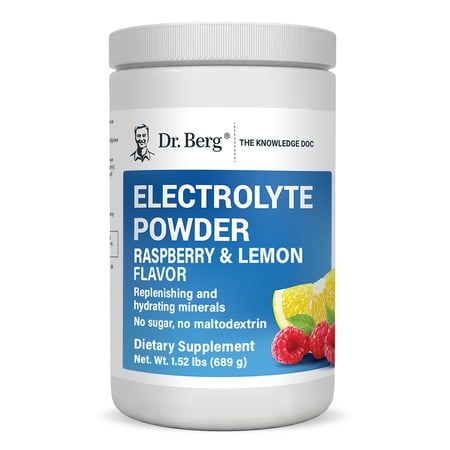
This electrolyte powder contains beneficial ingredients such as potassium chloride, calcium carbonate, and magnesium oxide, which support hydration and muscle function. The use of natural lemon flavor and stevia as a sweetener is positive, avoiding artificial additives. However, the presence of sorbitol as a filler can cause digestive issues, and the product includes several additives, which slightly detract from its overall formulation quality.
Key ingredients 12
Potassium ChlorideGood
Potassium chloride is a key electrolyte that helps maintain fluid balance and proper muscle function. It is essential for cardiovascular health and supports nerve function. Its inclusion in electrolyte supplements is beneficial for hydration.
Risks
High doses can lead to hyperkalemia, which can affect heart function.
Benefits
Essential for fluid balance, muscle function, and cardiovascular health.
Magnesium OxideGood
Magnesium oxide is a source of magnesium, an essential mineral for muscle and nerve function. It supports energy production and bone health. Its inclusion in supplements aids in preventing magnesium deficiency.
Risks
High doses can cause diarrhea and gastrointestinal discomfort.
Benefits
Supports muscle and nerve function, energy production, and bone health.
Vitamin C (Ascorbic Acid)Good
Vitamin C is an essential nutrient that supports immune function and acts as an antioxidant. It helps in collagen synthesis and enhances iron absorption. Its role in immune support is particularly beneficial.
Risks
High doses may cause gastrointestinal upset or kidney stones.
Benefits
Supports immune function, acts as an antioxidant, and enhances iron absorption.
Vitamin B1 (Thiamine Hydrochloride)Good
Vitamin B1 is essential for energy metabolism and nerve function. It plays a crucial role in converting nutrients into energy. Its inclusion in supplements supports overall energy levels and neurological health.
Benefits
Supports energy metabolism and nerve function.
Vitamin B2 (Riboflavin)Good
Vitamin B2 is important for energy production and cellular function. It acts as an antioxidant and supports skin and eye health. Its role in energy metabolism is beneficial for overall vitality.
Benefits
Supports energy production, cellular function, and acts as an antioxidant.
Vitamin B6 (Pyridoxine Hydrochloride)Good
Vitamin B6 is vital for protein metabolism and cognitive development. It supports neurotransmitter synthesis and immune function. Its inclusion in supplements aids in maintaining overall health.
Risks
High doses may cause nerve damage or sensory neuropathy.
Benefits
Supports protein metabolism, cognitive development, and immune function.
SorbitolNeutral
Standard formulation ingredient — neither beneficial nor harmful at typical use.
Risks
Excessive consumption may lead to gastrointestinal discomfort and laxative effects.
Citric AcidNeutral
Citric acid is a natural acidifier and preservative found in citrus fruits. It is commonly used to enhance flavor and preserve freshness in food products. While generally safe, it can cause tooth enamel erosion if consumed excessively.
Risks
May contribute to tooth enamel erosion with excessive consumption.
Benefits
Helps enhance flavor and preserve freshness in food products.
Sodium BicarbonateNeutral
Standard formulation ingredient — neither beneficial nor harmful at typical use.
Risks
Excessive intake may lead to alkalosis or electrolyte imbalances.
Benefits
Supports pH balance and can aid in digestion and electrolyte balance.
Natural Lemon FlavorNeutral
Natural lemon flavor is used to enhance the taste of products without adding calories. It is derived from natural sources but lacks nutritional value. Its use is common in flavoring supplements and beverages.
Benefits
Enhances flavor without adding calories.
Calcium CarbonateNeutral
Standard formulation ingredient — neither beneficial nor harmful at typical use.
Risks
Excessive intake may lead to hypercalcemia or kidney stones.
Benefits
Supports bone health and muscle function.
Steviol Glycosides (Stevia)Neutral
Steviol glycosides are natural sweeteners derived from the stevia plant. They provide sweetness without calories and are considered safe for consumption. Their use in products helps reduce sugar content.
Benefits
Provides sweetness without calories, helping to reduce sugar content.
Processing
Ultra-Processed Foods
Get the full breakdown in the Scout appTake Scout shopping
Scan any product to see lab results, healthy alternatives, and your personalized analysis.
Download on theApp Store GET IT ONGoogle Play