


At a glance
Summary
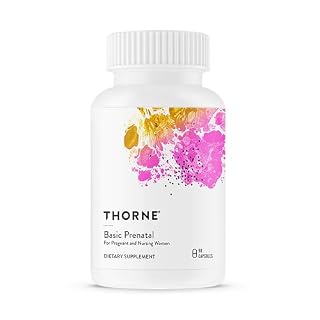
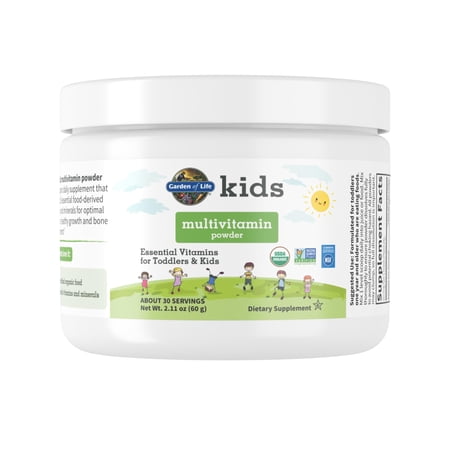
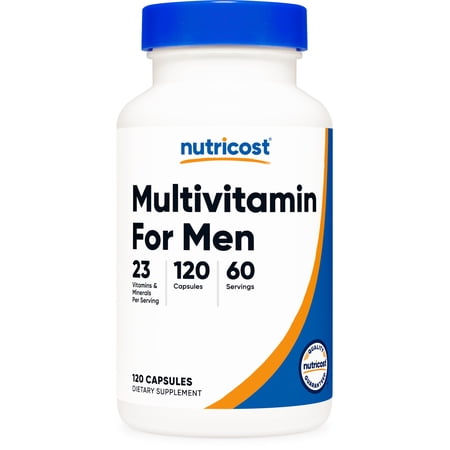
This supplement contains coconut oil, which is a beneficial ingredient due to its medium-chain triglycerides. However, the presence of maltodextrin and sucrose as fillers and binders, along with modified starch and hydroxypropylcellulose, indicates a moderate level of processing. These additives, while not harmful, detract from the overall purity and quality of the formulation compared to cleaner alternatives.
Key ingredients 6
Coconut OilGood
Coconut oil is a natural fat that is often used for its medium-chain triglycerides (MCTs), which can provide quick energy. It is less processed compared to seed oils and has a stable shelf life. It is considered a healthier fat option in moderation.
Risks
High in saturated fats, which may affect cholesterol levels if consumed in excess.
Benefits
Contains MCTs that can support energy metabolism and may have antimicrobial properties.
Microcrystalline CelluloseNeutral
Microcrystalline cellulose is a common filler and binder used in supplements. It is derived from plant cellulose and is generally considered safe for consumption. It does not provide nutritional benefits but helps in the manufacturing process.
See more about Microcrystalline Cellulose →Modified StarchNeutral
Modified starch is used as a thickener or stabilizer in food products. It is chemically altered to improve its properties for food processing. While it is safe for consumption, it does not offer nutritional benefits.
See more about Modified Starch →SucroseNeutral
Sucrose is a common sugar used as a sweetener in many food products. It provides energy but can contribute to weight gain and dental issues if consumed in excess. It is generally safe in moderate amounts.
Risks
Excessive consumption can lead to weight gain and dental cavities.
Benefits
Provides a quick source of energy.
HydroxypropylcelluloseNeutral
Hydroxypropylcellulose is a derivative of cellulose used as a thickener and emulsifier. It is considered safe and is used to improve the texture and stability of products. It does not provide nutritional benefits.
MaltodextrinBad
Processed additive flagged under Scout's ingredient doctrine.
Risks
May cause blood sugar spikes, especially in individuals with insulin sensitivity.
Processing
Processed Foods
Get the full breakdown in the Scout appTake Scout shopping
Scan any product to see lab results, healthy alternatives, and your personalized analysis.
Download on theApp Store GET IT ONGoogle Play