


At a glance
Summary
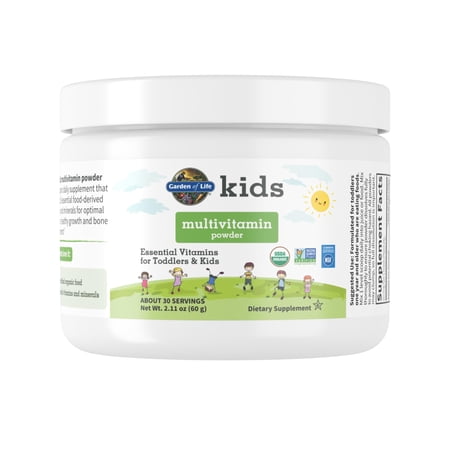
This supplement contains beneficial vitamins and minerals such as vitamin C, B3, B5, B6, and B12, which support various health functions. However, it includes a high amount of refined sugars like beet sugar and dextrose, which can contribute to excessive calorie intake and potential weight gain. The presence of natural flavors, which are often highly processed and lack transparency, also affects the overall formulation quality.
Key ingredients 15
D-Calcium PantothenateVery Good
D-Calcium pantothenate, or vitamin B5, is vital for synthesizing coenzyme A, crucial for fatty acid metabolism. It supports adrenal function and helps reduce stress. It is important for maintaining energy levels and overall health.
Benefits
Supports energy production and adrenal health, aiding in stress reduction.
CyanocobalaminVery Good
Cyanocobalamin, or vitamin B12, is crucial for red blood cell formation and neurological function. It supports DNA synthesis and energy production. Adequate intake is essential for preventing anemia and maintaining nerve health.
Benefits
Supports red blood cell production and neurological health, preventing anemia and nerve damage.
Potassium CitrateGood
Potassium citrate is used to regulate acidity and provide potassium, an essential mineral. It can help prevent kidney stones and support cardiovascular health. As a potassium source, it aids in maintaining electrolyte balance.
Risks
Excessive intake can lead to hyperkalemia, especially in individuals with kidney issues.
Benefits
Supports heart health and helps prevent kidney stones by alkalizing urine.
Ascorbic AcidGood
Ascorbic acid, or vitamin C, is an essential nutrient that supports immune function and acts as an antioxidant. It is crucial for collagen synthesis and helps protect cells from oxidative damage. Regular intake is important for overall health and wellness.
Benefits
Supports immune health and acts as a powerful antioxidant, protecting cells from damage.
NiacinamideGood
Niacinamide, or vitamin B3, is essential for energy metabolism and skin health. It helps convert nutrients into energy and supports cellular repair processes. It is beneficial for maintaining healthy skin and reducing inflammation.
Benefits
Supports energy metabolism and skin health, contributing to overall well-being.
Pyridoxine HydrochlorideGood
Pyridoxine hydrochloride, or vitamin B6, is essential for amino acid metabolism and neurotransmitter synthesis. It supports brain health and helps regulate mood. Adequate intake is important for cognitive function and emotional well-being.
Benefits
Supports brain health and mood regulation, contributing to cognitive and emotional well-being.
Citric AcidNeutral
Citric acid is a natural acid found in citrus fruits, used as a preservative and flavor enhancer. It is generally recognized as safe and has minimal health concerns. It can enhance flavor and preserve freshness in food products.
Benefits
Helps preserve food and enhance flavor without significant health concerns.
SaltNeutral
Salt is a common seasoning and preservative, essential for various bodily functions. However, excessive intake can lead to hypertension and cardiovascular issues. It is important to balance salt intake with other dietary needs.
Risks
High sodium intake is associated with increased blood pressure and cardiovascular disease risk.
Benefits
Essential for maintaining fluid balance and nerve function in the body.
Sodium CitrateNeutral
Sodium citrate is used as a buffering agent and emulsifier in foods. It is generally recognized as safe and helps maintain pH balance in products. It has minimal nutritional impact but is useful in food processing.
Benefits
Helps stabilize and preserve food products without significant health concerns.
Dipotassium PhosphateNeutral
Dipotassium phosphate is used as a stabilizer and emulsifier in food products. It is generally recognized as safe and helps maintain product consistency. It has minimal nutritional impact but is useful in food processing.
Benefits
Helps stabilize and preserve food products without significant health concerns.
Silicon DioxideNeutral
Silicon dioxide is used as an anticaking agent to prevent clumping in powdered products. It is generally recognized as safe and has no significant nutritional value. It is widely used in the food industry for its functional properties.
Benefits
Prevents clumping in powdered products, ensuring consistent texture and quality.
Rebaudioside-ANeutral
Rebaudioside-A is a stevia leaf extract used as a natural, zero-calorie sweetener. It is considered safe and does not impact blood sugar levels. It provides sweetness without the calories of sugar.
Benefits
Offers a natural, calorie-free alternative to sugar, suitable for those managing blood sugar levels.
Beet SugarBad
Beet sugar is a refined sugar that can contribute to excessive calorie intake and potential weight gain. It is processed and lacks nutritional benefits compared to whole food sources of carbohydrates. Excessive consumption of refined sugars is linked to various health issues, including metabolic syndrome.
Risks
High intake of refined sugars can lead to obesity, insulin resistance, and increased risk of type 2 diabetes.
DextroseBad
Refined added sugar.
Risks
Excessive consumption can lead to blood sugar spikes and contribute to metabolic disorders.
Benefits
Provides a quick source of energy, especially useful in sports and recovery contexts.
Natural FlavorsBad
Natural flavors are a catch-all term for flavoring agents derived from natural sources but can be highly processed. They lack transparency and can include a wide range of substances. The lack of specificity makes it difficult to assess their health impact.
Risks
Potential for undisclosed allergens and additives that may cause reactions in sensitive individuals.
Processing
Ultra-Processed Foods
Get the full breakdown in the Scout appTake Scout shopping
Scan any product to see lab results, healthy alternatives, and your personalized analysis.
Download on theApp Store GET IT ONGoogle Play