
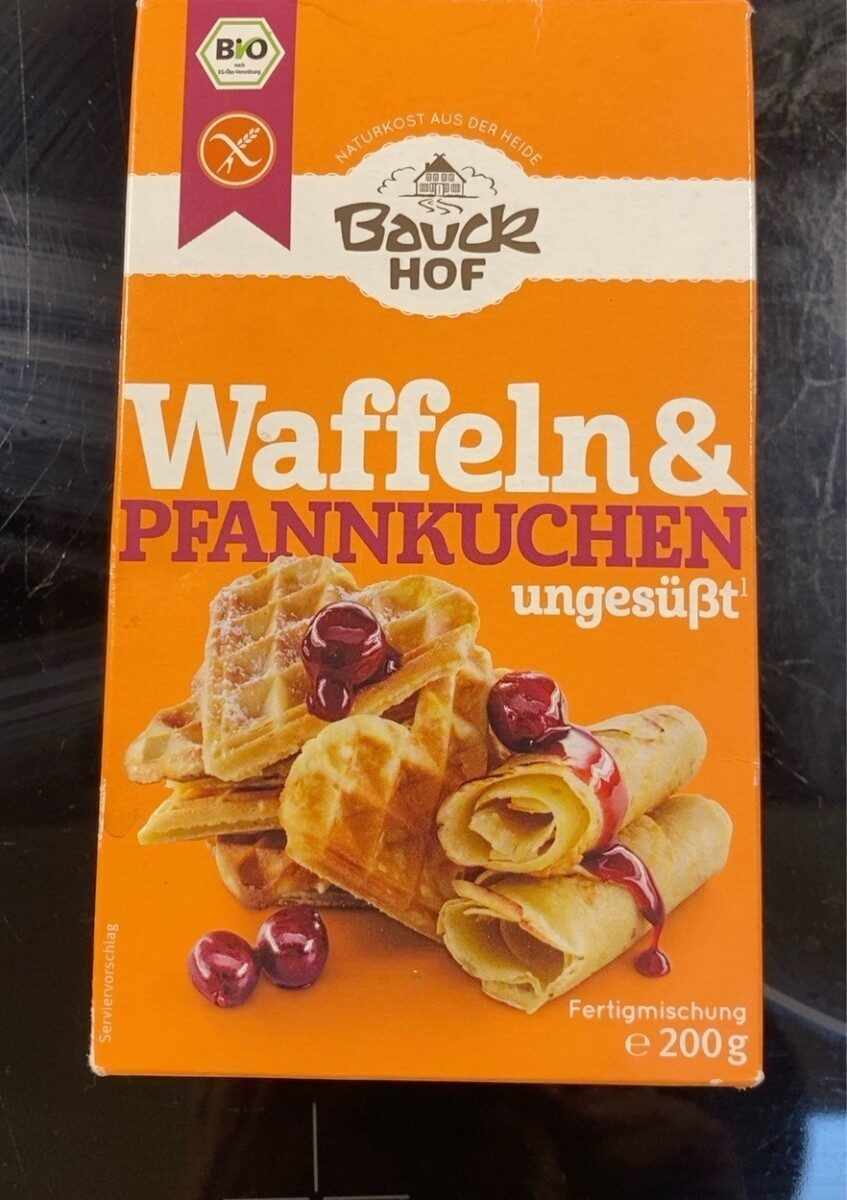


At a glance
Summary
This product is primarily made from rice flour and whole grain rice flour, which are generally considered healthier options due to their higher fiber content. However, it contains several additives and is moderately processed, which limits its score. The absence of harmful ingredients like seed oils and artificial additives is a positive aspect, but the processing level and presence of multiple additives prevent it from achieving a higher rating.
Key ingredients 5
Whole grain rice flourGood
Whole grain rice flour retains the bran and germ, providing more fiber and nutrients than refined rice flour. It is a healthier alternative due to its higher nutritional content. Being organic enhances its quality by reducing exposure to pesticides.
Benefits
Rich in fiber and essential nutrients, supporting digestive health and providing sustained energy.
Sea saltGood
Unrefined sea salt — a minimally processed, natural source of sodium and essential trace minerals, and a legitimate whole-food seasoning. Treated as a positive ingredient.
Risks
High sodium intake can lead to increased blood pressure and cardiovascular issues.
Benefits
Provides essential sodium and trace minerals, enhancing flavor.
Rice flourNeutral
Rice flour is a common gluten-free alternative to wheat flour. It is made by milling rice grains into a fine powder. While it provides carbohydrates, it lacks significant protein or fiber content.
Benefits
Provides a gluten-free option for those with celiac disease or gluten intolerance.
Tapioca starchNeutral
Tapioca starch is a refined carbohydrate extracted from the cassava root. It is often used as a thickening agent in gluten-free baking. While it provides energy, it lacks significant nutritional value.
Benefits
Provides a gluten-free thickening option for various recipes.
Baking powderNeutral
Baking powder is a leavening agent that helps baked goods rise. It typically contains sodium bicarbonate and an acid, such as monopotassium tartrate. While essential for texture, it does not contribute nutritional value.
Risks
Excessive consumption may lead to high sodium intake.
Benefits
Essential for achieving the desired texture and volume in baked goods.
Processing
Processed Foods
Get the full breakdown in the Scout appTake Scout shopping
Scan any product to see lab results, healthy alternatives, and your personalized analysis.
Download on theApp Store GET IT ONGoogle Play