


At a glance
Summary
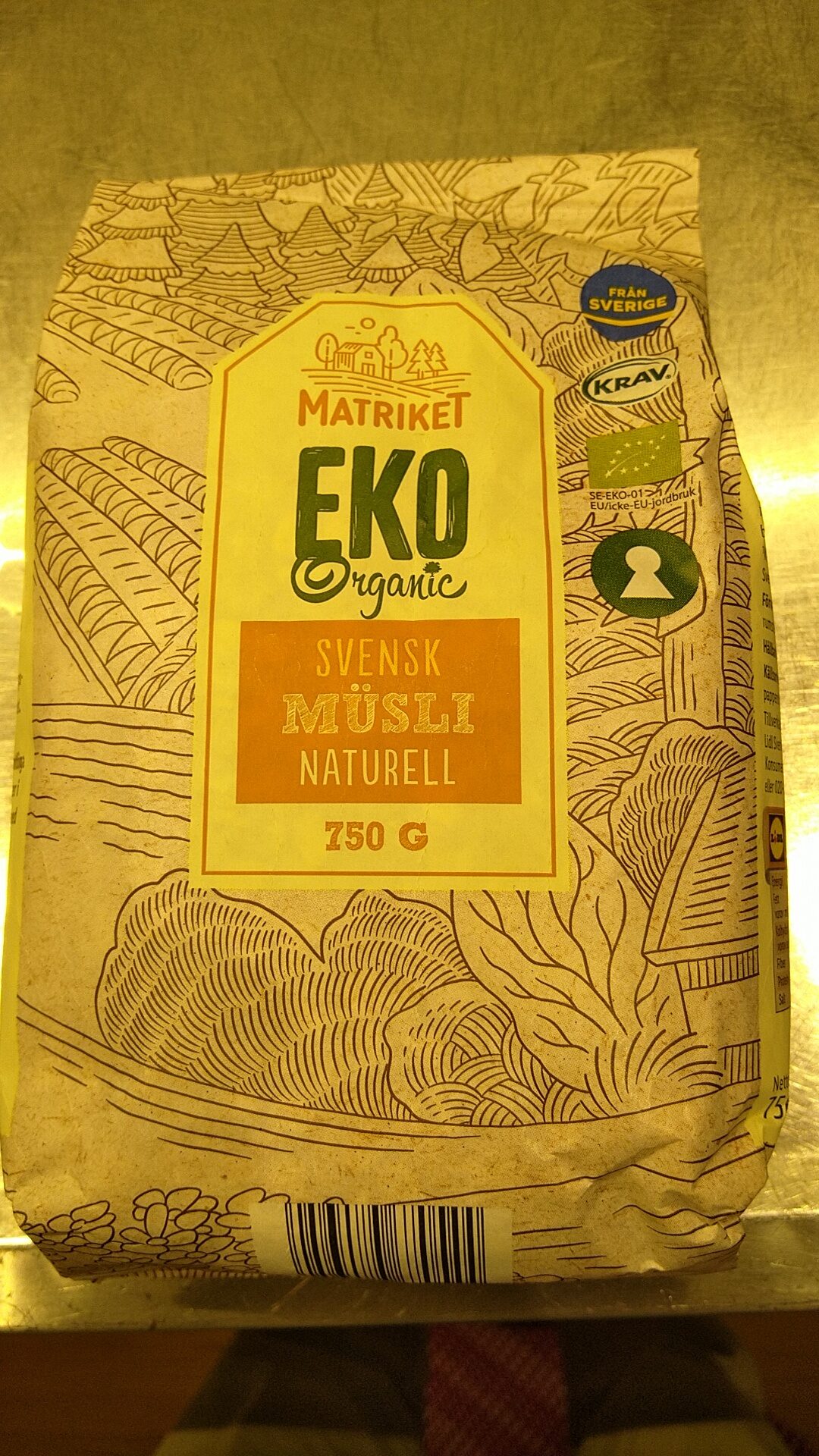
This muesli contains a mix of whole grains like oat, wheat, and rye flakes, which are minimally processed and provide beneficial fiber and nutrients. However, the presence of sunflower lecithin, a processed emulsifier, slightly detracts from its overall nutritional profile. The product's processing level limits its maximum potential score, despite its generally clean ingredient list.
Key ingredients 7
Oat FlakesGood
Oat flakes are a whole grain rich in fiber and essential nutrients. They are minimally processed, retaining most of their natural nutrients. Oats are known for their heart health benefits due to their beta-glucan content.
Benefits
Rich in beta-glucan, which can help lower cholesterol levels and improve heart health.
Wheat FlakesGood
Wheat flakes are a source of whole grains, providing fiber and essential nutrients. They are minimally processed, preserving their nutritional value. Whole wheat is beneficial for digestive health and maintaining stable blood sugar levels.
Risks
May contain gluten, which can be a concern for individuals with celiac disease or gluten sensitivity.
Benefits
Provides dietary fiber that supports digestive health and helps maintain stable blood sugar levels.
Rye FlakesGood
Rye flakes are a whole grain that offers fiber and essential nutrients. They are minimally processed, which helps retain their nutritional benefits. Rye is known for its potential to improve digestive health and support heart health.
Risks
Contains gluten, which may be problematic for those with gluten intolerance or celiac disease.
Benefits
Rich in dietary fiber, which can aid in digestion and promote heart health.
Sunflower SeedsGood
Beneficial ingredient — whole-food or functional value in this product class.
Risks
High in calories and fat, which can contribute to weight gain if consumed in excess.
Benefits
Provides healthy fats, protein, and essential nutrients like vitamin E and magnesium.
Roasted Barley FlakesNeutral
Roasted barley flakes are a whole grain that provides fiber and nutrients. The roasting process enhances flavor but may slightly reduce some nutrient content. Barley is beneficial for heart health due to its beta-glucan content.
Risks
Contains gluten, which can be an issue for those with gluten intolerance or celiac disease.
Benefits
Rich in beta-glucan, which supports heart health and helps regulate blood sugar levels.
SaltNeutral
Salt is used as a seasoning and preservative in foods. It is a refined ingredient with no additional nutrients. While necessary in small amounts, excessive intake can lead to health issues like hypertension.
Risks
Excessive consumption can contribute to high blood pressure and cardiovascular issues.
Benefits
Essential for maintaining fluid balance and nerve function in the body.
Sunflower LecithinBad
Sunflower lecithin is an emulsifier used to improve texture and shelf life. It is a processed ingredient derived from sunflower seeds. While generally considered safe, it is not nutritionally beneficial.
Risks
May cause digestive issues in sensitive individuals when consumed in large amounts.
Processing
Processed Foods
Get the full breakdown in the Scout appTake Scout shopping
Scan any product to see lab results, healthy alternatives, and your personalized analysis.
Download on theApp Store GET IT ONGoogle Play