

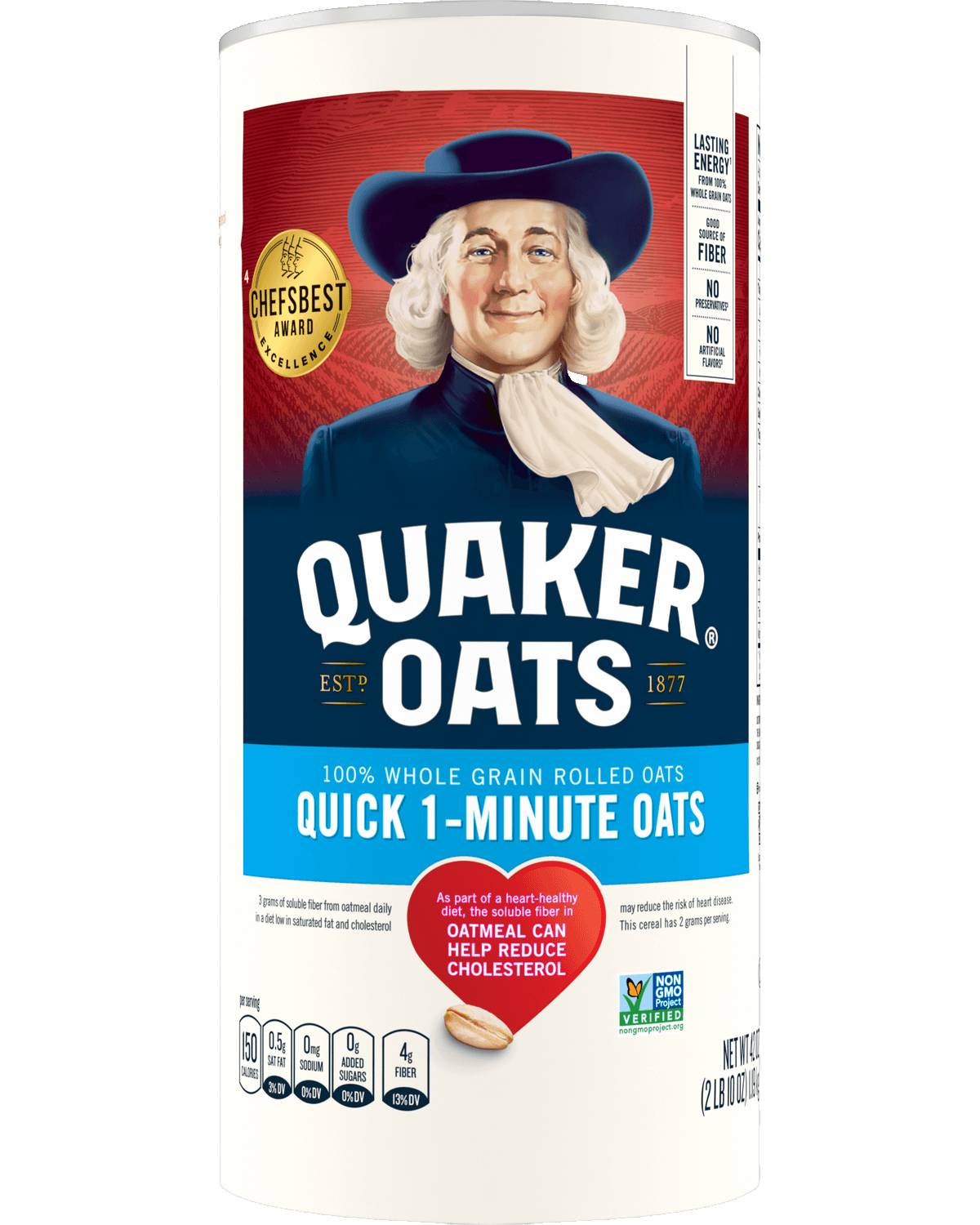



QUAKER QUICKGRITS REGULAR 5LB
Analysis updated May 2026 · How Scout scores
At a glance
Summary
This product is primarily composed of white hominy grits, which are a minimally processed grain that provides carbohydrates and fiber. It is fortified with essential vitamins and minerals like niacin, iron, thiamin, riboflavin, and folic acid, enhancing its nutritional profile. However, due to its processed nature, the score is limited, despite the absence of harmful additives or seed oils.
Key ingredients 6
White Hominy GritsGood
White hominy grits are made from corn that has been treated with an alkali in a process called nixtamalization. This process enhances the nutritional profile by making niacin more bioavailable and improving the protein quality. It is a minimally processed grain product that provides a source of carbohydrates and fiber.
Benefits
Provides a good source of carbohydrates and dietary fiber, which are essential for energy and digestive health.
NiacinGood
Niacin, also known as vitamin B3, is an essential nutrient that supports energy metabolism and DNA repair. It is added to foods to prevent deficiencies and support overall health. Niacin fortification helps ensure adequate intake in populations where dietary sources may be insufficient.
Benefits
Supports energy metabolism and helps maintain healthy skin and nerves.
Thiamin MononitrateGood
Thiamin mononitrate is a synthetic form of vitamin B1 used to fortify foods. It plays a critical role in carbohydrate metabolism and nerve function. Fortification helps prevent thiamin deficiency, which can lead to neurological issues.
Benefits
Supports energy production and proper nerve function.
RiboflavinGood
Riboflavin, or vitamin B2, is essential for energy production and the metabolism of fats, drugs, and steroids. It is often added to foods to ensure adequate intake and prevent deficiencies. Riboflavin is also important for maintaining healthy skin and eyes.
Benefits
Supports energy production and helps maintain healthy skin and eyes.
Reduced IronNeutral
Standard formulation ingredient — neither beneficial nor harmful at typical use.
Risks
Excessive iron intake can lead to toxicity, but this is rare from fortified foods alone.
Benefits
Essential for the production of hemoglobin and supports immune function.
Folic AcidNeutral
Standard formulation ingredient — neither beneficial nor harmful at typical use.
Risks
Excessive intake can mask vitamin B12 deficiency, but this is unlikely from food sources alone.
Benefits
Crucial for DNA synthesis and repair, and helps prevent neural tube defects during pregnancy.
Processing
Processed Foods
Get the full breakdown in the Scout appTake Scout shopping
Scan any product to see lab results, healthy alternatives, and your personalized analysis.
Download on theApp Store GET IT ONGoogle PlayAmazon pricing & content
CERTAIN CONTENT THAT APPEARS ON THIS SITE COMES FROM AMAZON. THIS CONTENT IS PROVIDED “AS IS” AND IS SUBJECT TO CHANGE OR REMOVAL AT ANY TIME.