



At a glance
Summary
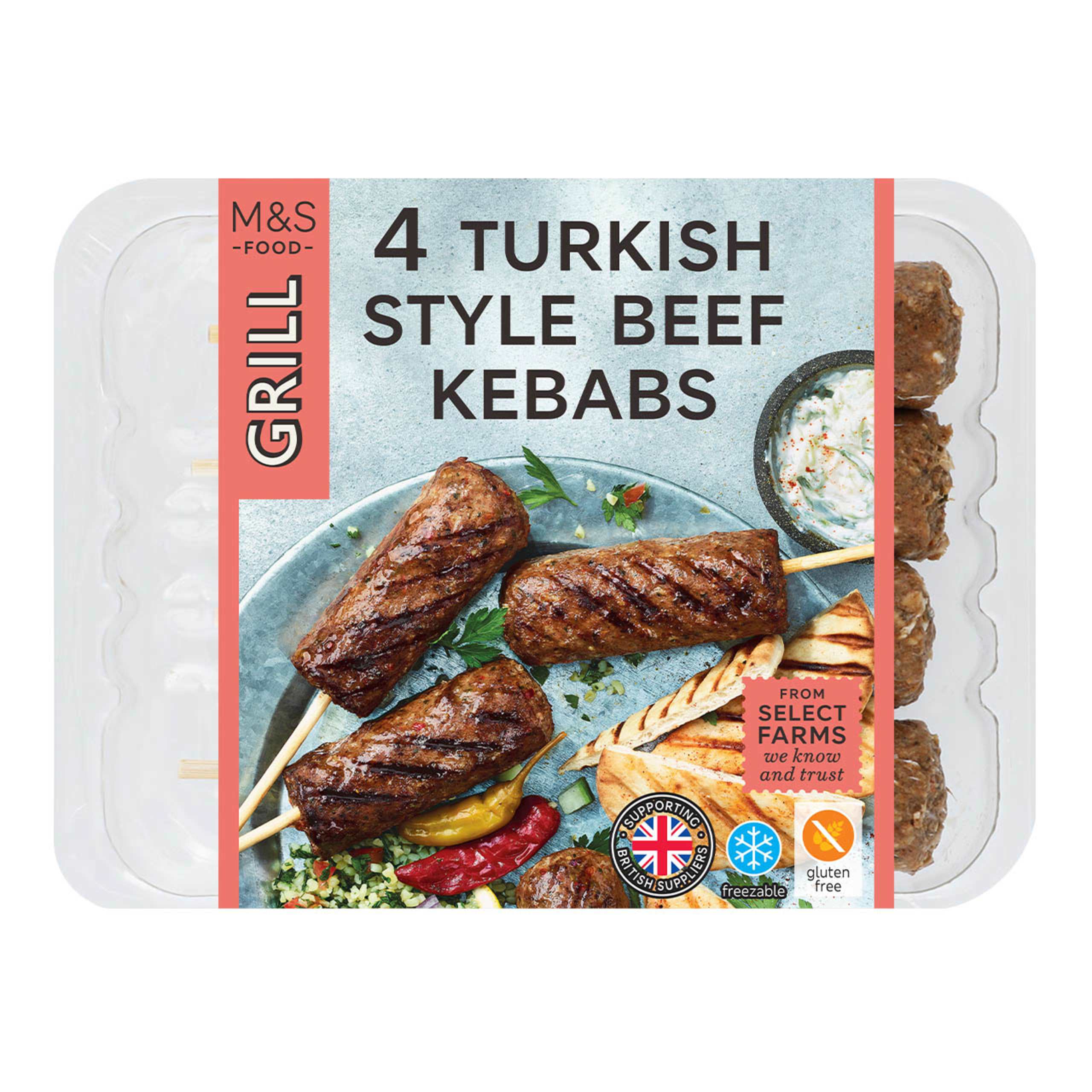
The lamb shish kebabs are made with high-quality ingredients like lamb and a variety of beneficial spices, which contribute to their nutritional value and flavor profile. However, the product is processed, which limits its maximum potential score. Additionally, the presence of salt, while common, requires moderation due to its potential impact on cardiovascular health.
Key ingredients 12
LambVery Good
Lamb is a high-quality source of protein and essential nutrients like vitamin B12 and zinc. It is often grass-fed, which can enhance its omega-3 fatty acid content. Compared to other meats, lamb provides a rich flavor and nutrient profile.
Risks
Excessive consumption of red meat may be linked to certain health risks, such as increased cholesterol levels.
Benefits
Rich in protein and essential nutrients, supporting muscle growth and overall health.
Red ChilliesGood
Red chillies add flavor and heat to dishes while providing antioxidants like capsaicin. Capsaicin has been studied for its potential metabolism-boosting and anti-inflammatory effects. They are a natural way to enhance flavor without added calories.
Risks
May cause digestive discomfort in sensitive individuals or when consumed in large quantities.
Benefits
Contains capsaicin, which may support metabolism and provide anti-inflammatory benefits.
SpicesGood
Spices are used to enhance flavor and can provide various health benefits depending on the type. Many spices contain antioxidants and anti-inflammatory compounds. They are a calorie-free way to add depth to dishes.
Benefits
May provide antioxidants and anti-inflammatory benefits depending on the specific spices used.
CuminGood
Cumin is a spice known for its distinctive flavor and potential digestive benefits. It contains antioxidants and may help improve digestion and nutrient absorption. Cumin is a staple in many cuisines for its aromatic properties.
Benefits
May aid digestion and provide antioxidant benefits.
Smoked PaprikaGood
Smoked paprika adds a rich, smoky flavor to dishes and contains antioxidants like vitamin A. It is made from smoked and dried peppers, which can enhance its flavor profile. This spice is a flavorful addition without added calories.
Benefits
Provides antioxidants and enhances flavor with a smoky note.
CorianderGood
Coriander is an herb that provides a fresh, citrusy flavor and contains antioxidants. It may support digestion and has been used in traditional medicine for its potential health benefits. Coriander seeds and leaves are both used in cooking.
Benefits
May support digestion and provide antioxidant benefits.
CinnamonGood
Cinnamon is a spice known for its sweet, warm flavor and potential health benefits. It contains antioxidants and may help regulate blood sugar levels. Cinnamon is widely used in both sweet and savory dishes.
Risks
Excessive consumption may lead to liver damage due to coumarin content in some types.
Benefits
May help regulate blood sugar and provide antioxidant benefits.
Black PepperGood
Black pepper is a common spice that enhances flavor and may aid digestion. It contains piperine, which can enhance the absorption of certain nutrients. Black pepper is a staple in many cuisines for its pungent flavor.
Benefits
May enhance nutrient absorption and aid digestion.
ChilliGood
Chilli adds heat and flavor to dishes and contains capsaicin, which may have metabolism-boosting effects. It is a natural source of antioxidants and can enhance the sensory experience of food. Chilli is used in various cuisines for its spicy kick.
Risks
May cause digestive discomfort in sensitive individuals.
Benefits
Contains capsaicin, which may support metabolism and provide antioxidant benefits.
SeasoningNeutral
Seasoning typically includes a blend of herbs and spices to enhance flavor. The specific health impact depends on the individual components used. Without specific details, it is considered neutral in terms of health impact.
Risks
Potential for high sodium content if salt is a major component.
Benefits
Enhances flavor without adding significant calories.
Rice FlourNeutral
Rice flour is a gluten-free flour alternative used as a thickener or coating. It is made from finely milled rice and is often used in gluten-free cooking. Rice flour is neutral in terms of health impact, providing carbohydrates without significant nutrients.
Benefits
Provides a gluten-free alternative for thickening or coating.
SaltNeutral
Salt is used to enhance flavor but can contribute to high sodium intake. Excessive sodium consumption is linked to increased blood pressure and cardiovascular risk. It is important to consume salt in moderation to avoid potential health issues.
Risks
High sodium intake can lead to hypertension and increased cardiovascular risk.
Benefits
Enhances flavor and is essential for bodily functions in moderation.
Processing
Processed Foods
Get the full breakdown in the Scout appTake Scout shopping
Scan any product to see lab results, healthy alternatives, and your personalized analysis.
Download on theApp Store GET IT ONGoogle Play