



At a glance
Summary
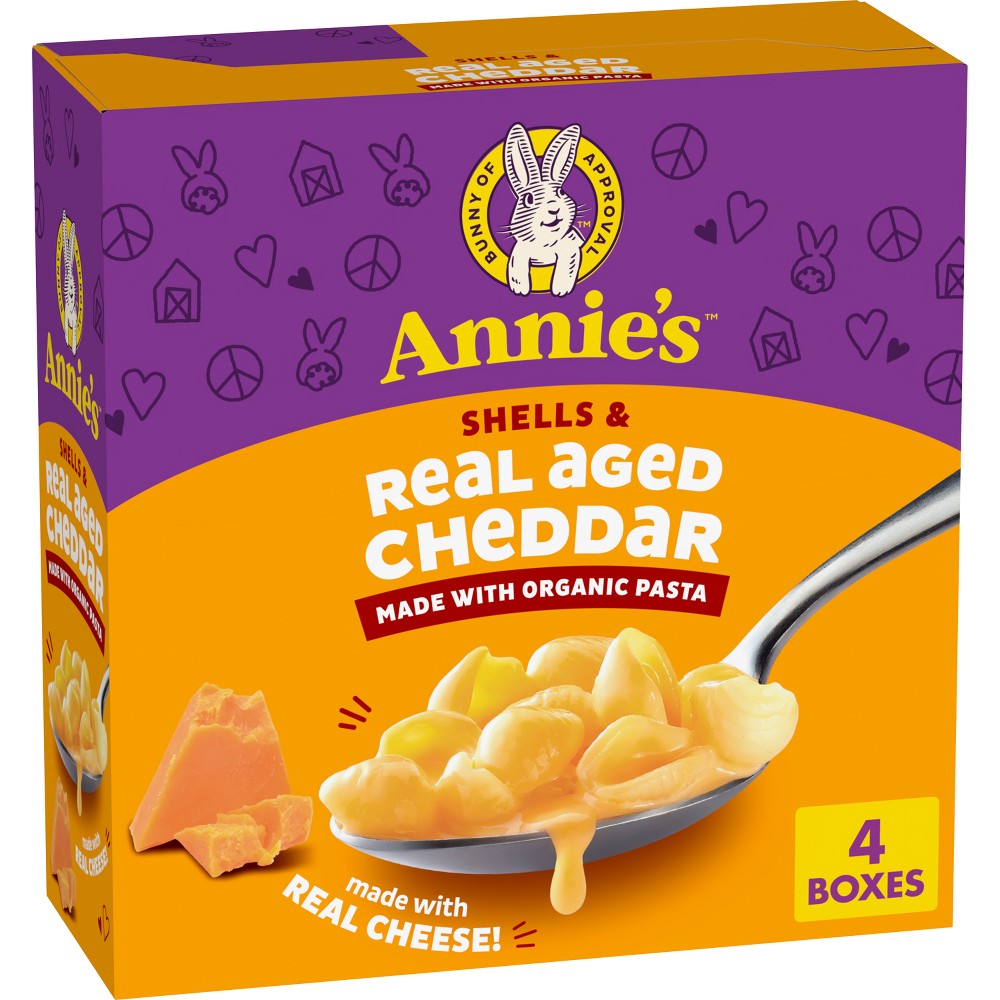
This product features organic pasta and organic cheddar cheese, both of which are high-quality ingredients that provide essential nutrients like protein and calcium. The use of organic ingredients ensures the absence of synthetic pesticides and hormones, contributing to a cleaner label. However, as a processed food, it is subject to a processing score cap, which limits its maximum potential rating despite the quality of its ingredients.
Key ingredients 3
Organic PastaGood
Organic pasta made from durum wheat semolina is a high-quality carbohydrate source. Being organic, it is free from synthetic pesticides and fertilizers. It provides a good source of energy and essential nutrients like fiber and protein.
Benefits
Provides a good source of energy and essential nutrients like fiber and protein. Being organic, it supports sustainable agriculture and reduces exposure to synthetic chemicals.
Organic Cheddar CheeseGood
Organic cheddar cheese is a high-quality source of protein and calcium. Being organic, it is made from milk produced without synthetic hormones or antibiotics. It provides beneficial nutrients like calcium and vitamin D, supporting bone health.
Risks
Potential allergen for individuals with dairy sensitivities or lactose intolerance.
Benefits
Rich in protein and calcium, supporting muscle and bone health. Organic production ensures it is free from synthetic hormones and antibiotics.
WaterNeutral
Water is a neutral ingredient used as a solvent and to aid in the cooking process. It does not contribute any calories or nutrients to the product. Its presence is essential for the preparation and texture of the pasta.
Benefits
Essential for hydration and cooking processes, but does not provide nutritional benefits.
Processing
Processed Foods
Get the full breakdown in the Scout appTake Scout shopping
Scan any product to see lab results, healthy alternatives, and your personalized analysis.
Download on theApp Store GET IT ONGoogle Play