



At a glance
Summary
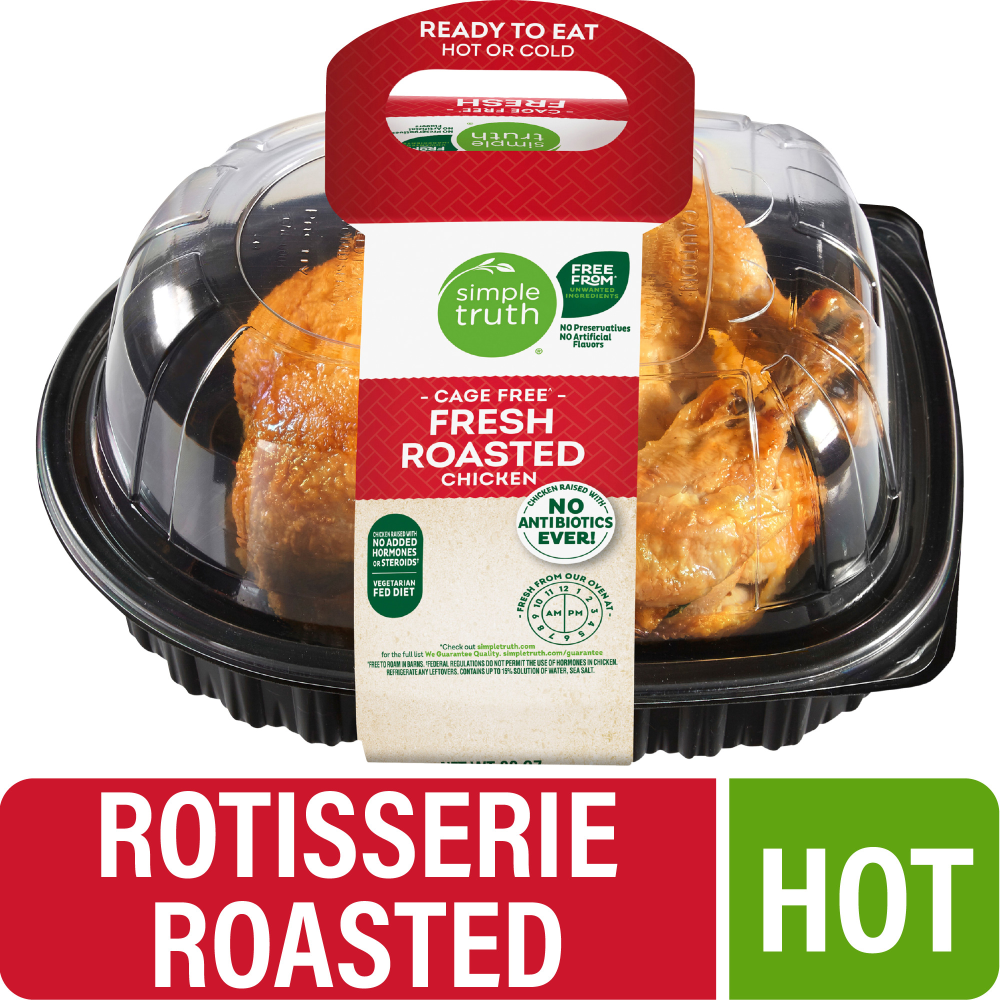
This product is processed and contains several additives such as dextrose, triphosphates, and caramelised sugar syrup, which contribute to its processing level. While chicken provides high-quality protein, the presence of added sugars and stabilizers detracts from its overall healthiness. The processing level and inclusion of these ingredients limit its score despite the beneficial protein content.
Key ingredients 8
ChickenGood
Chicken is a high-quality source of protein, providing essential amino acids necessary for muscle growth and repair. It is minimally processed when roasted, retaining its nutritional value. Compared to plant-based proteins, it offers a richer amino acid profile.
Benefits
Rich in protein and essential nutrients like B vitamins and selenium, supporting overall health and wellness.
Pea StarchNeutral
Pea starch is used as a thickening agent and is derived from peas. It is minimally processed and does not significantly impact the nutritional profile of the product. It is a common ingredient in processed foods for texture enhancement.
Benefits
Provides a gluten-free alternative for thickening and stabilizing food products.
Potassium LactateNeutral
Potassium lactate is used as a preservative to extend shelf life and enhance flavor. It is generally recognized as safe when used in food products. It helps maintain moisture and improve the texture of processed meats.
Risks
Excessive consumption may lead to an imbalance in electrolytes, but this is unlikely in typical dietary amounts.
Benefits
Helps preserve food quality and safety by inhibiting microbial growth.
Sodium AcetateNeutral
Sodium acetate is a preservative and acidity regulator used in food processing. It is considered safe for consumption in regulated amounts. It helps maintain the pH balance and extends the shelf life of food products.
Risks
High sodium intake can contribute to hypertension, but sodium acetate itself is not a major source of dietary sodium.
Benefits
Contributes to food preservation and flavor enhancement without significant health risks.
SaltNeutral
Salt is used for seasoning and preservation in food products. It is a common culinary ingredient that enhances flavor. While necessary for bodily functions, excessive consumption can lead to health issues.
Risks
High sodium intake is associated with increased risk of hypertension and cardiovascular diseases.
Benefits
Essential for maintaining fluid balance and nerve function in the body.
DextroseBad
Dextrose is a simple sugar used as a sweetener and preservative. It can contribute to increased blood sugar levels and is considered a refined carbohydrate. Excessive consumption of refined sugars is linked to various health issues, including obesity and diabetes.
Risks
High intake of dextrose can lead to spikes in blood sugar and insulin levels, potentially increasing the risk of metabolic disorders.
Benefits
Provides a quick source of energy, but offers no significant nutritional benefits.
TriphosphatesBad
Triphosphates are used as stabilizers and emulsifiers in processed foods. They are considered safe in regulated amounts but are indicative of processing. Overconsumption of phosphates can disrupt calcium balance and bone health.
Risks
Excessive intake may lead to imbalances in mineral absorption and bone health concerns.
Benefits
Helps maintain texture and moisture in processed foods, but offers no direct nutritional benefits.
Caramelised Sugar SyrupBad
Caramelised sugar syrup is used for flavor and color in food products. It is a form of added sugar that can contribute to increased calorie intake without nutritional benefits. Excessive consumption of added sugars is linked to obesity and metabolic disorders.
Risks
High intake of added sugars can lead to weight gain and increased risk of chronic diseases.
Benefits
Provides flavor and color enhancement, but offers no significant nutritional benefits.
Processing
Processed Foods
Get the full breakdown in the Scout appTake Scout shopping
Scan any product to see lab results, healthy alternatives, and your personalized analysis.
Download on theApp Store GET IT ONGoogle Play