


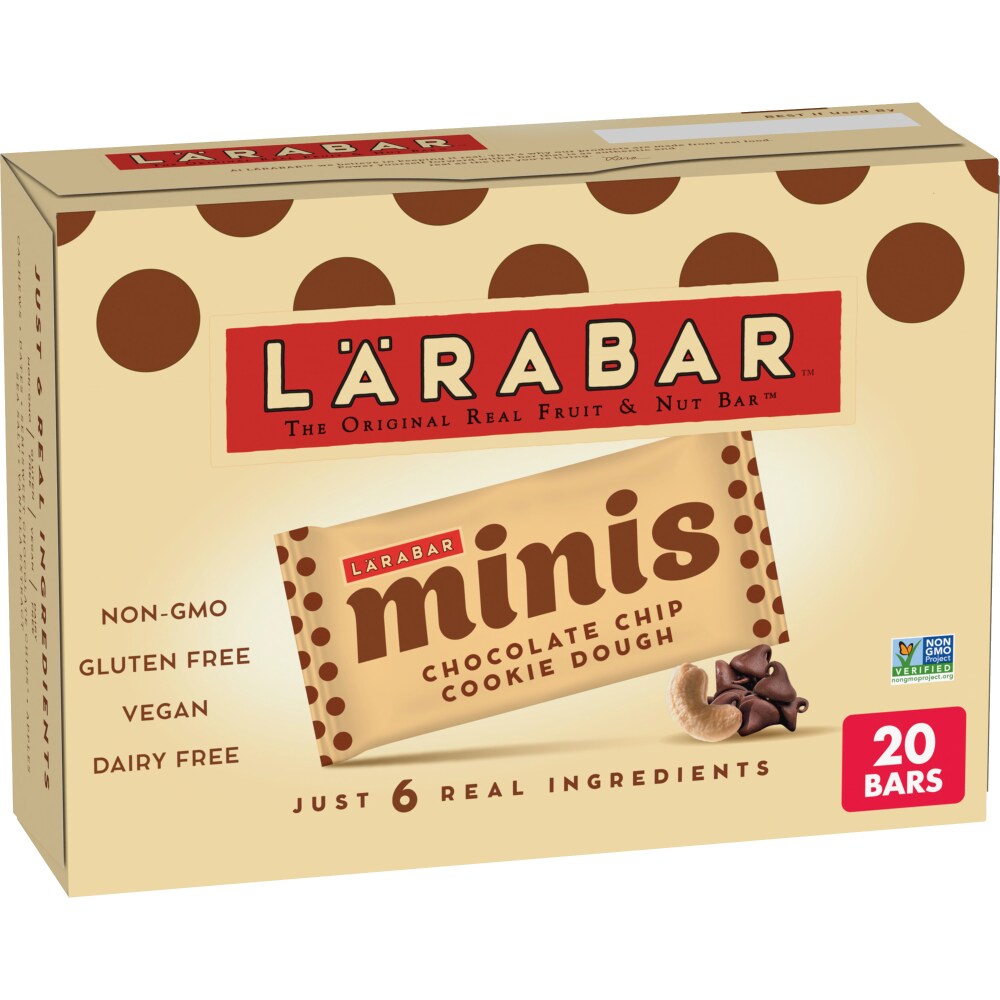


Blueberry Lemon Mini Fudge Dipped Cookie Bites
Summary
This product contains beneficial ingredients like gluten-free oats and blueberries, which provide fiber and antioxidants. However, it is heavily processed and includes refined sugars and palm oils, which are linked to health and environmental concerns. The presence of natural flavors and the high level of processing significantly impact its overall healthiness.
At a glance
Key ingredients 14
Gluten-Free OatsGood
Gluten-free oats are a whole grain that provides dietary fiber and essential nutrients. They are minimally processed and can support heart health and digestion. Oats are a good source of beta-glucan, which may help lower cholesterol levels.
Benefits
Rich in dietary fiber and beta-glucan, which can support heart health and improve digestion.
Brown Rice SyrupNeutral
Brown rice syrup is a sweetener derived from brown rice, often used as an alternative to refined sugars. It is less sweet than cane sugar and has a higher glycemic index. While it is a natural sweetener, it lacks significant nutritional benefits.
Risks
High glycemic index may cause rapid spikes in blood sugar levels.
Benefits
Provides a natural alternative to refined sugars, though with limited nutritional benefits.
Cane SugarBad
Cane sugar is a refined sweetener that contributes to calorie intake without providing essential nutrients. Excessive consumption can lead to health issues such as obesity and dental cavities. It is often used in processed foods for sweetness.
Risks
High consumption can lead to obesity, insulin resistance, and dental issues.
Palm Kernel OilBad
Palm kernel oil is a highly saturated fat often used in processed foods for its stability and texture. It is associated with deforestation and environmental concerns. High saturated fat content may impact heart health negatively.
Risks
High in saturated fats, which may increase the risk of heart disease when consumed in excess.
Benefits
Provides stability and texture to processed foods, though with limited health benefits.
Palm OilBad
Palm oil is a common ingredient in processed foods due to its cost-effectiveness and stability. It is high in saturated fats, which can negatively impact heart health. Its production is linked to environmental issues such as deforestation.
Risks
High saturated fat content may contribute to heart disease risk.
Benefits
Offers stability in food products, but with minimal health benefits.
BlueberriesVery Good
Blueberries are a nutrient-dense fruit rich in antioxidants, vitamins, and fiber. They are minimally processed and can support heart health and cognitive function. Their high antioxidant content helps combat oxidative stress.
Benefits
Rich in antioxidants and vitamins, supporting heart health and reducing oxidative stress.
CoconutGood
Coconut provides healthy fats and dietary fiber, contributing to satiety and energy. It is minimally processed and can support metabolic health. Coconut is a source of medium-chain triglycerides (MCTs), which may aid in weight management.
Benefits
Contains healthy fats and MCTs that support energy and metabolic health.
Sorghum FlourGood
Sorghum flour is a gluten-free flour rich in fiber and protein, making it a nutritious alternative to wheat flour. It is minimally processed and supports digestive health. Sorghum is also a good source of antioxidants.
Benefits
Provides fiber and protein, supporting digestive health and offering antioxidant benefits.
Tapioca FlourNeutral
Tapioca flour is a gluten-free starch used as a thickening agent in foods. It is highly processed and lacks significant nutritional value. While it provides texture, it does not contribute essential nutrients.
Benefits
Offers a gluten-free alternative for thickening, though with limited nutritional benefits.
Potato StarchNeutral
Potato starch is a refined starch used to improve texture and moisture in foods. It is highly processed and does not provide significant nutritional benefits. It is often used in gluten-free baking for its binding properties.
Benefits
Provides texture and binding in gluten-free products, though with minimal nutritional value.
Sea SaltGood
Unrefined sea salt — a minimally processed, natural source of sodium and essential trace minerals, and a legitimate whole-food seasoning. Treated as a positive ingredient.
Risks
Excessive intake may lead to high blood pressure and related health issues.
Benefits
Enhances flavor and may contain trace minerals, though benefits are limited.
Natural FlavorsBad
Natural flavors are additives used to enhance taste, often derived from plant or animal sources. They are highly processed and can obscure the transparency of ingredient sourcing. The term 'natural' does not guarantee health benefits or quality.
Risks
May contain undisclosed compounds that could cause allergic reactions or sensitivities.
Sunflower LecithinNeutral
Sunflower lecithin is an emulsifier used to improve texture and consistency in foods. It is less processed than soy lecithin and is free from common allergens. While it aids in food processing, it does not provide significant health benefits.
Benefits
Improves texture and consistency in foods, though with limited nutritional benefits.
Vitamin EGood
Vitamin E is an antioxidant that helps protect cells from oxidative damage. It is often added to foods to enhance nutritional value and preserve freshness. Vitamin E supports immune function and skin health.
Benefits
Acts as an antioxidant, supporting immune function and protecting cells from damage.
Processing
Ultra-Processed Foods
Get the full breakdown in the Scout app
Scan any product to see lab results, healthy alternatives, and your personalized analysis.
Download on theApp Store