


At a glance
Summary
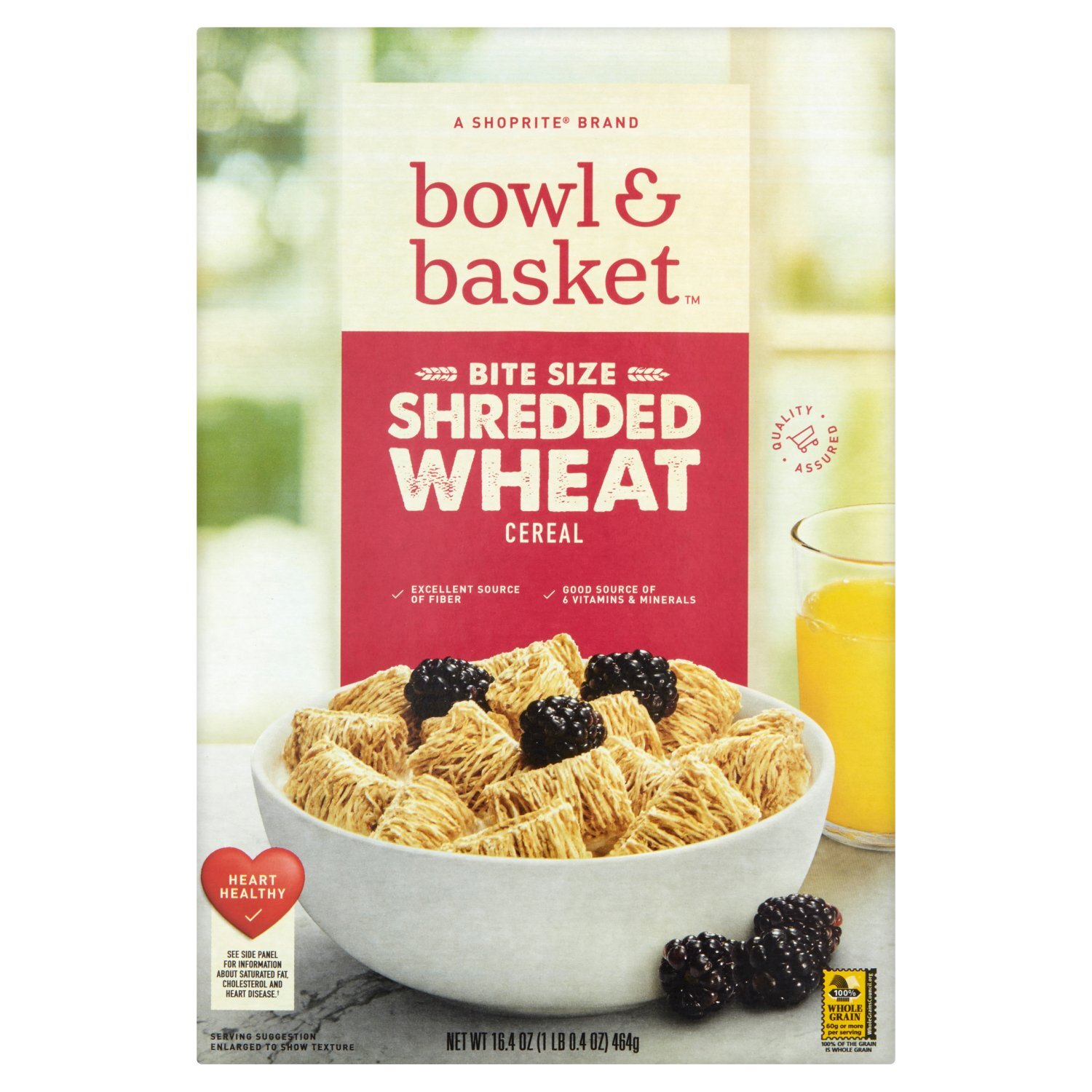
Harvest Morn Wheat Bisks primarily consists of whole wheat, which is a beneficial ingredient providing essential nutrients and dietary fiber. However, the presence of added sugar and the product's processed nature limit its health benefits. The inclusion of vitamins and minerals is positive, but the processing level and added sugar prevent it from achieving a higher score.
Key ingredients 9
Whole wheatGood
Whole wheat is a whole grain that provides essential nutrients and dietary fiber. It is minimally processed, retaining the bran and germ, which are rich in vitamins and minerals. Whole grains are associated with reduced risk of chronic diseases.
Risks
May cause digestive issues for individuals with gluten intolerance or celiac disease.
Benefits
Rich in dietary fiber, which supports digestive health and helps maintain stable blood sugar levels.
NiacinGood
Beneficial ingredient — whole-food or functional value in this product class.
Benefits
Supports energy metabolism and contributes to overall health.
RiboflavinGood
Essential B vitamin — beneficial micronutrient.
Benefits
Supports energy metabolism and overall cellular health.
Barley malt extractNeutral
Barley malt extract is used as a natural sweetener and flavor enhancer. It is derived from sprouted barley grains and contains some vitamins and minerals. However, it is a source of sugar and should be consumed in moderation.
Risks
Contains gluten, which can be problematic for those with celiac disease or gluten sensitivity.
Benefits
Provides a natural source of sweetness and some micronutrients.
SaltNeutral
Salt is used to enhance flavor and preserve food. It is a source of sodium, which is essential for fluid balance and nerve function. However, excessive intake can lead to health issues.
Risks
High sodium intake is associated with increased blood pressure and cardiovascular risk.
Benefits
Essential for maintaining electrolyte balance and proper muscle function.
IronNeutral
Iron is an essential mineral added to fortify foods, crucial for oxygen transport in the blood. Fortification helps prevent iron-deficiency anemia, especially in populations with limited access to iron-rich foods. It is important for maintaining energy levels and cognitive function.
Risks
Excessive iron intake can lead to toxicity and organ damage.
Benefits
Essential for red blood cell production and preventing anemia.
ThiaminNeutral
Thiamin, or vitamin B1, is essential for carbohydrate metabolism and nerve function. It is often added to foods to prevent deficiencies, especially in processed grains. Adequate thiamin intake supports energy production and neurological health.
Benefits
Supports energy metabolism and proper nerve function.
Folic acidNeutral
Folic acid is a synthetic form of folate, a B-vitamin important for DNA synthesis and cell division. It is added to foods to prevent neural tube defects in developing fetuses. Fortification helps ensure adequate intake in populations with low dietary folate.
Risks
Excessive intake can mask vitamin B12 deficiency symptoms.
Benefits
Crucial for DNA synthesis and preventing birth defects.
SugarBad
Refined sugar is a high-calorie sweetener with no essential nutrients. Excessive consumption is linked to various health issues, including obesity and dental cavities. It is often added to processed foods to enhance flavor.
Risks
High intake can lead to weight gain, increased risk of type 2 diabetes, and other metabolic disorders.
Benefits
Provides quick energy but lacks nutritional benefits.
Processing
Processed Foods
Get the full breakdown in the Scout appTake Scout shopping
Scan any product to see lab results, healthy alternatives, and your personalized analysis.
Download on theApp Store GET IT ONGoogle Play