
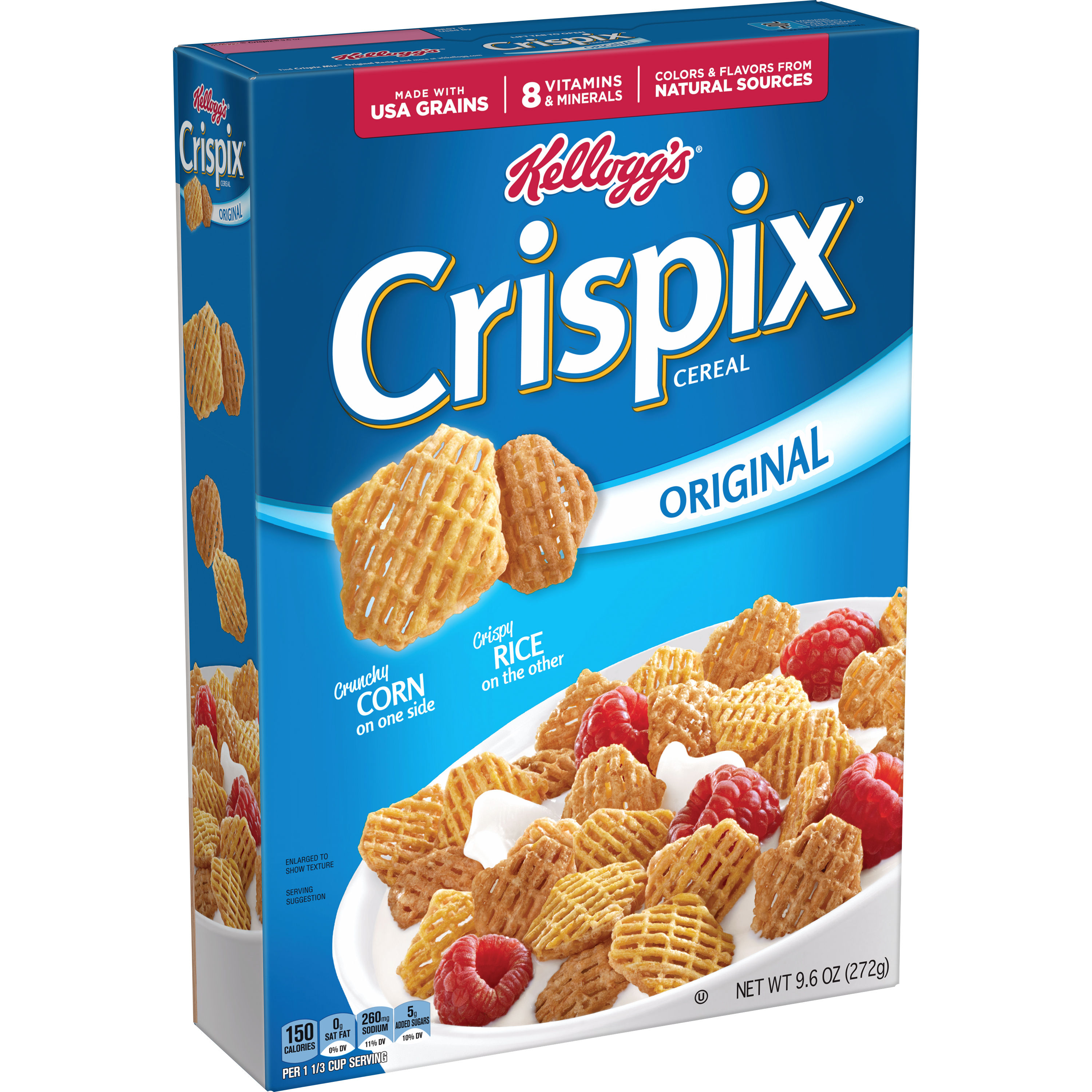



Kellogg's Crispix Cereal .75oz
Analysis updated May 2026 · How Scout scores
At a glance
Summary
This cereal is moderately processed and contains added sugars, which can contribute to health issues if consumed in excess. However, it includes beneficial ingredients like rice and molasses, and is fortified with essential vitamins and minerals. The absence of seed oils and artificial dyes is positive, but the presence of additives and the level of processing limit its overall healthiness.
Key ingredients 19
RiceGood
Rice is a staple carbohydrate source that provides energy. It is minimally processed and generally well-tolerated by most individuals. As a whole grain, it can contribute to a balanced diet.
Benefits
Provides a source of carbohydrates for energy and is generally easy to digest.
Turmeric Extract ColorGood
Turmeric extract is used as a natural coloring agent. It contains curcumin, which has anti-inflammatory and antioxidant properties. It is a preferable alternative to artificial dyes.
Benefits
Provides natural color and contains curcumin, which may offer health benefits.
IronGood
Iron is an essential mineral important for oxygen transport in the blood. It is often added to cereals to prevent deficiencies. Fortification helps meet daily nutritional requirements.
Risks
Excessive iron intake can lead to toxicity, but this is rare from fortified foods.
Benefits
Supports the production of hemoglobin and overall energy levels.
NiacinamideGood
Niacinamide is a form of vitamin B3 that supports energy metabolism. It is commonly added to fortified foods to prevent deficiencies. It plays a role in converting food into energy.
Benefits
Supports energy production and overall metabolic health.
Vitamin C (Ascorbic Acid)Good
Vitamin C is an essential nutrient that supports immune function and antioxidant protection. It is often added to foods to enhance nutritional value. It helps in the absorption of iron from plant-based sources.
Benefits
Boosts immune function and enhances iron absorption.
Zinc OxideGood
Zinc oxide is a source of zinc, an essential mineral for immune function and wound healing. It is added to foods to prevent deficiencies. Zinc is crucial for numerous enzymatic reactions in the body.
Risks
Excessive zinc intake can interfere with copper absorption, but this is rare from fortified foods.
Benefits
Supports immune health and enzymatic functions.
Vitamin B6 (Pyridoxine Hydrochloride)Good
Vitamin B6 is essential for protein metabolism and cognitive development. It is added to foods to ensure adequate intake. It plays a role in neurotransmitter synthesis and red blood cell production.
Benefits
Supports brain health and protein metabolism.
Vitamin B2 (Riboflavin)Good
Vitamin B2 is important for energy production and cellular function. It is often added to cereals to prevent deficiencies. It helps convert carbohydrates into energy.
Benefits
Supports energy metabolism and cellular health.
Vitamin B1 (Thiamin Hydrochloride)Good
Vitamin B1 is crucial for carbohydrate metabolism and nerve function. It is added to foods to prevent deficiencies. It plays a role in converting nutrients into energy.
Benefits
Supports energy production and nerve health.
Vitamin B12Good
Vitamin B12 is essential for nerve function and red blood cell formation. It is added to foods to prevent deficiencies, especially in vegetarians. It supports energy production and neurological health.
Benefits
Supports nerve health and energy metabolism.
Vitamin D3Good
Vitamin D3 is important for bone health and immune function. It is added to foods to ensure adequate intake, especially in regions with limited sunlight. It aids in calcium absorption and bone maintenance.
Benefits
Supports bone health and immune function.
Milled CornNeutral
Milled corn is a processed form of corn used as a carbohydrate source. It is refined, which removes some of the fiber and nutrients found in whole corn. It serves as a base ingredient in many processed foods.
Benefits
Provides carbohydrates for energy but lacks significant nutritional benefits compared to whole corn.
SaltNeutral
Salt is used to enhance flavor and preserve food. While necessary in small amounts for bodily functions, excessive intake can lead to health issues. It is a common additive in processed foods.
Risks
Excessive salt intake can contribute to high blood pressure and cardiovascular disease.
Benefits
Essential for maintaining fluid balance and nerve function in the body.
MolassesNeutral
Standard formulation ingredient — neither beneficial nor harmful at typical use.
Benefits
Contains trace minerals such as iron, calcium, and magnesium, which can be beneficial in small amounts.
Brown Rice SyrupNeutral
Brown rice syrup is a sweetener derived from brown rice. It is less sweet than sugar and has a higher glycemic index. It is used as an alternative sweetener in some processed foods.
Risks
May contribute to elevated blood sugar levels due to its high glycemic index.
Benefits
Provides a source of carbohydrates but lacks significant nutritional benefits.
Baking SodaNeutral
Baking soda is a leavening agent used to help baked goods rise. It is chemically processed but generally recognized as safe in small amounts. It is commonly used in food preparation.
Benefits
Helps improve the texture and volume of baked products.
Folic AcidNeutral
Standard formulation ingredient — neither beneficial nor harmful at typical use.
Benefits
Essential for DNA synthesis and preventing birth defects.
Vitamin A PalmitateNeutral
Standard formulation ingredient — neither beneficial nor harmful at typical use.
Risks
Excessive intake can lead to toxicity, but this is rare from fortified foods.
Benefits
Supports vision and immune health.
SugarBad
Sugar is a refined sweetener that contributes to the overall sugar content of the product. Excessive consumption of refined sugars can lead to health issues such as obesity and dental problems. It is often added to enhance flavor but offers no nutritional benefits.
Risks
High intake of refined sugar can lead to increased risk of obesity, type 2 diabetes, and dental cavities.
Processing
Processed Foods
Get the full breakdown in the Scout appTake Scout shopping
Scan any product to see lab results, healthy alternatives, and your personalized analysis.
Download on theApp Store GET IT ONGoogle PlayAmazon pricing & content
Amazon price as of . Product prices and availability are accurate as of the date/time indicated and are subject to change. Any price and availability information displayed on Amazon.com at the time of purchase will apply to the purchase of this product.
CERTAIN CONTENT THAT APPEARS ON THIS SITE COMES FROM AMAZON. THIS CONTENT IS PROVIDED “AS IS” AND IS SUBJECT TO CHANGE OR REMOVAL AT ANY TIME.