Chicken Wonton Soup with vegetables

At a glance
Summary
This chicken wonton soup contains several beneficial ingredients such as chicken, leeks, and green onions, which provide essential nutrients and antioxidants. However, the presence of textured soy flour, a processed ingredient, and the use of soybean oil in the sesame oil blend contribute to a higher level of processing and reduce the overall nutritional quality. The product's processing level limits its score, despite the inclusion of some high-quality ingredients.
Key ingredients 12
EggVery Good
Eggs are a complete protein source, providing all essential amino acids. They contain beneficial nutrients like choline and lutein. When sourced from pasture-raised hens, they offer higher omega-3 content.
Risks
Potential allergen for some individuals. Risk of salmonella if not cooked properly.
Benefits
Supports muscle growth and brain health due to high-quality protein and choline content.
ChickenGood
Chicken is a high-quality source of protein, providing essential amino acids. It is generally considered a lean meat with low fat content. When sourced from organic or free-range farms, it offers additional health benefits.
Risks
Potential risk of contamination if not cooked properly. Some individuals may have allergies to poultry.
Benefits
Rich in protein, supporting muscle growth and repair. Provides essential vitamins and minerals such as B vitamins and selenium.
LeekGood
Leeks are a good source of vitamins A, C, and K, and contain beneficial antioxidants. They are low in calories and provide dietary fiber. Their mild flavor enhances dishes without overpowering them.
Benefits
Supports immune function and provides antioxidants that may reduce inflammation.
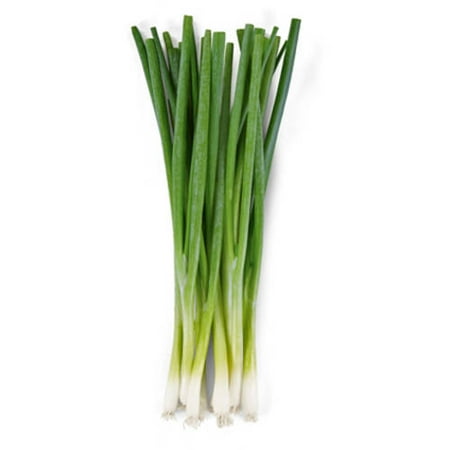
Green onionGood
Green onions are rich in vitamins A and C and contain beneficial antioxidants. They add flavor and nutrients to dishes with minimal calories. Their sulfur compounds may have health-promoting properties.
Benefits
May support immune health and provide antioxidants that help protect cells from damage.
Bean sproutGood
Bean sprouts are low in calories and high in vitamins C and K. They provide a crunchy texture and are a source of plant-based protein. Sprouting increases the bioavailability of nutrients.
Risks
Potential risk of bacterial contamination if not properly washed or cooked.
Benefits
Rich in vitamins and minerals, supporting overall health and digestion.
GarlicGood
Garlic is known for its potential health benefits, including antimicrobial and anti-inflammatory properties. It contains sulfur compounds that may support heart health. Fresh garlic provides more benefits than processed forms.
Risks
May cause digestive discomfort in some individuals.
Benefits
Supports cardiovascular health and may boost immune function.
Sesame oilGood
Sesame oil is rich in monounsaturated and polyunsaturated fats, which are beneficial for heart health. It contains antioxidants like sesamol and sesamin. Cold-pressed sesame oil retains more nutrients compared to refined versions.
Risks
Potential allergen for individuals with sesame allergies.
Benefits
Supports heart health and provides antioxidants that may reduce inflammation.
SpicesGood
Whole-food seasonings, antioxidant-bearing.
Benefits
May provide antioxidants and enhance the flavor of dishes.
Soy sauceNeutral
Soy sauce is a fermented condiment that adds umami flavor to dishes. It contains sodium, which should be consumed in moderation. Traditional fermentation methods may offer some probiotic benefits.
Risks
High sodium content can contribute to hypertension if consumed in excess.
Benefits
Adds flavor to dishes and may provide some probiotic benefits if traditionally fermented.
SaltNeutral
Salt is a common seasoning that enhances flavor. It is essential for maintaining fluid balance and nerve function. Excessive intake can lead to health issues like hypertension.
Risks
High sodium intake can increase the risk of hypertension and cardiovascular diseases.
Benefits
Essential for maintaining fluid balance and nerve function.
Textured soy flourBad
Textured soy flour is a processed soy product often used as a meat substitute. It may contain anti-nutrients that affect mineral absorption. The processing involved can reduce the nutritional quality compared to whole soybeans.
Risks
May contain anti-nutrients and is often genetically modified. Potential allergen for some individuals.
Benefits
Provides a plant-based protein source, though less complete than animal proteins.
Brown sugarBad
Processed additive flagged under Scout's ingredient doctrine.
Risks
Excessive consumption can lead to health issues like obesity and dental cavities.
Processing
Processed Foods
Get the full breakdown in the Scout appTake Scout shopping
Scan any product to see lab results, healthy alternatives, and your personalized analysis.
Are you Fusia? Fix an error Get the badge Get tested