

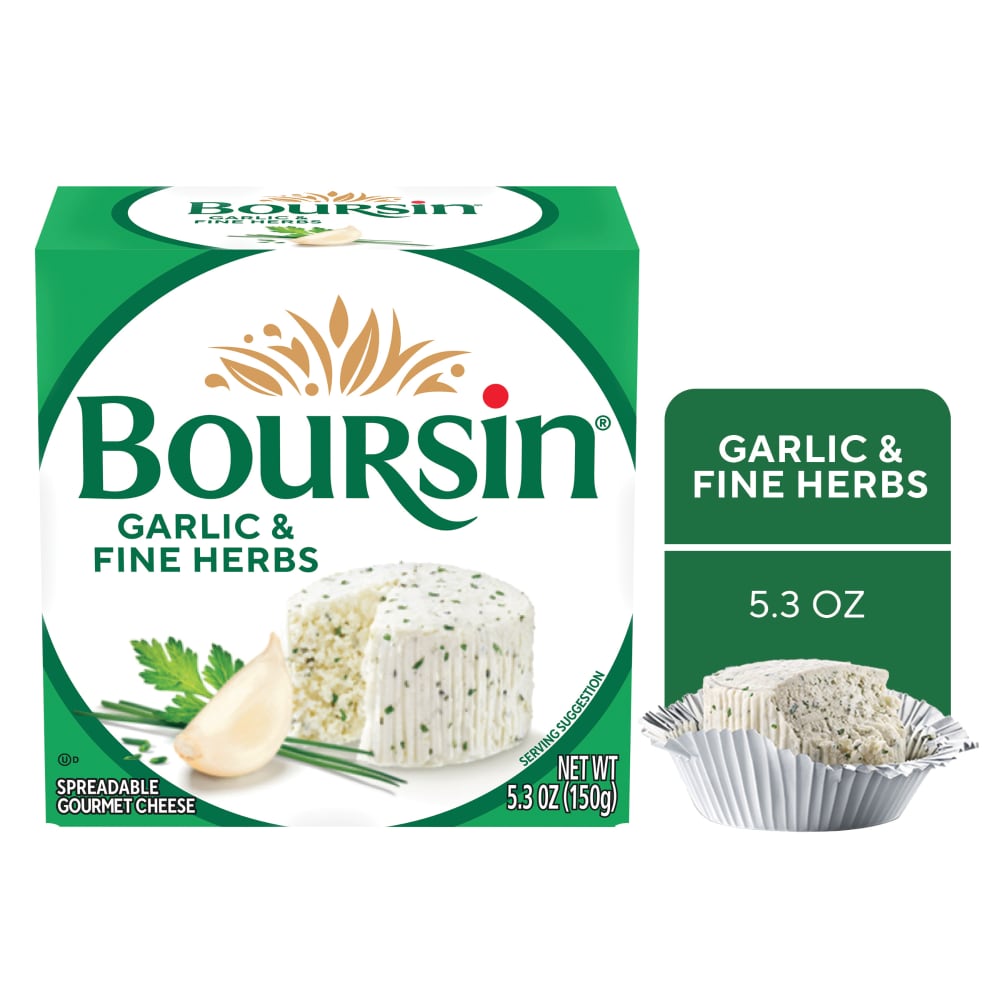


Roasted Garlic with Tomato Basil Semi-Soft Cheese
Analysis updated August 2026 · How Scout scores
At a glance
Summary
This semi-soft cheese contains beneficial ingredients like tomato powder, cheese culture, dehydrated garlic, and basil, which contribute to its flavor and nutritional profile. However, the presence of caramel color, a processed additive with potential health concerns, and its classification as an ultra-processed product limit its score. Despite having good macros, the level of processing and use of additives prevent it from achieving a higher rating.
Key ingredients 8
Tomato powderGood
Tomato powder adds flavor and color, providing some vitamins and antioxidants. It is a minimally processed ingredient that retains some nutritional benefits of fresh tomatoes. Its inclusion enhances the product's taste profile naturally.
Benefits
Contains vitamins and antioxidants that can contribute to overall health.
Cheese cultureGood
Cheese culture is essential for the fermentation process, contributing to flavor and texture development. It consists of beneficial bacteria that aid in cheese maturation. This ingredient is crucial for traditional cheesemaking.
Benefits
Promotes fermentation, enhancing flavor and texture while potentially providing probiotic benefits.
Dehydrated garlicGood
Dehydrated garlic adds flavor and potential health benefits due to its antioxidant properties. It is a natural ingredient that retains the beneficial compounds of fresh garlic. Its inclusion enhances the product's taste and nutritional profile.
Benefits
Contains antioxidants and compounds that may support immune health and reduce inflammation.
BasilGood
Basil provides flavor and contains essential oils with potential health benefits. It is a natural herb that adds freshness and aroma to the product. Its inclusion enhances the sensory experience and may offer some nutritional benefits.
Benefits
Contains essential oils and antioxidants that may support health and enhance flavor.
Pasteurized milkNeutral
Pasteurized milk is a common base for cheese, providing essential nutrients like calcium and protein. The pasteurization process eliminates harmful bacteria but may reduce some beneficial enzymes. It is a standard ingredient in cheese production, ensuring safety and consistency.
Benefits
Provides essential nutrients such as calcium and protein, which are important for bone health and muscle function.
SaltNeutral
Salt is used in cheese for flavor enhancement and preservation. It is a refined ingredient without the trace minerals found in unrefined salts. While necessary for taste, excessive consumption can lead to health issues like hypertension.
Risks
Excessive salt intake can contribute to high blood pressure and cardiovascular issues.
Benefits
Enhances flavor and acts as a preservative in cheese production.
Microbial enzymesNeutral
Microbial enzymes are used in cheese production to aid in coagulation. They are an alternative to animal rennet, making the product suitable for vegetarians. These enzymes are essential for cheese texture but do not contribute additional nutritional value.
Benefits
Facilitates cheese production and is suitable for vegetarian diets.
Caramel colorBad
Caramel color is an additive used to enhance the appearance of food products. It is a processed ingredient that may contain byproducts like 4-MEI, which has raised health concerns. Its use is primarily aesthetic, with no nutritional benefits.
Risks
May contain 4-MEI, a byproduct that has been linked to potential health risks in high amounts.
Processing
Ultra-Processed Foods
Get the full breakdown in the Scout appTake Scout shopping
Scan any product to see lab results, healthy alternatives, and your personalized analysis.
Download on theApp Store GET IT ONGoogle Play