


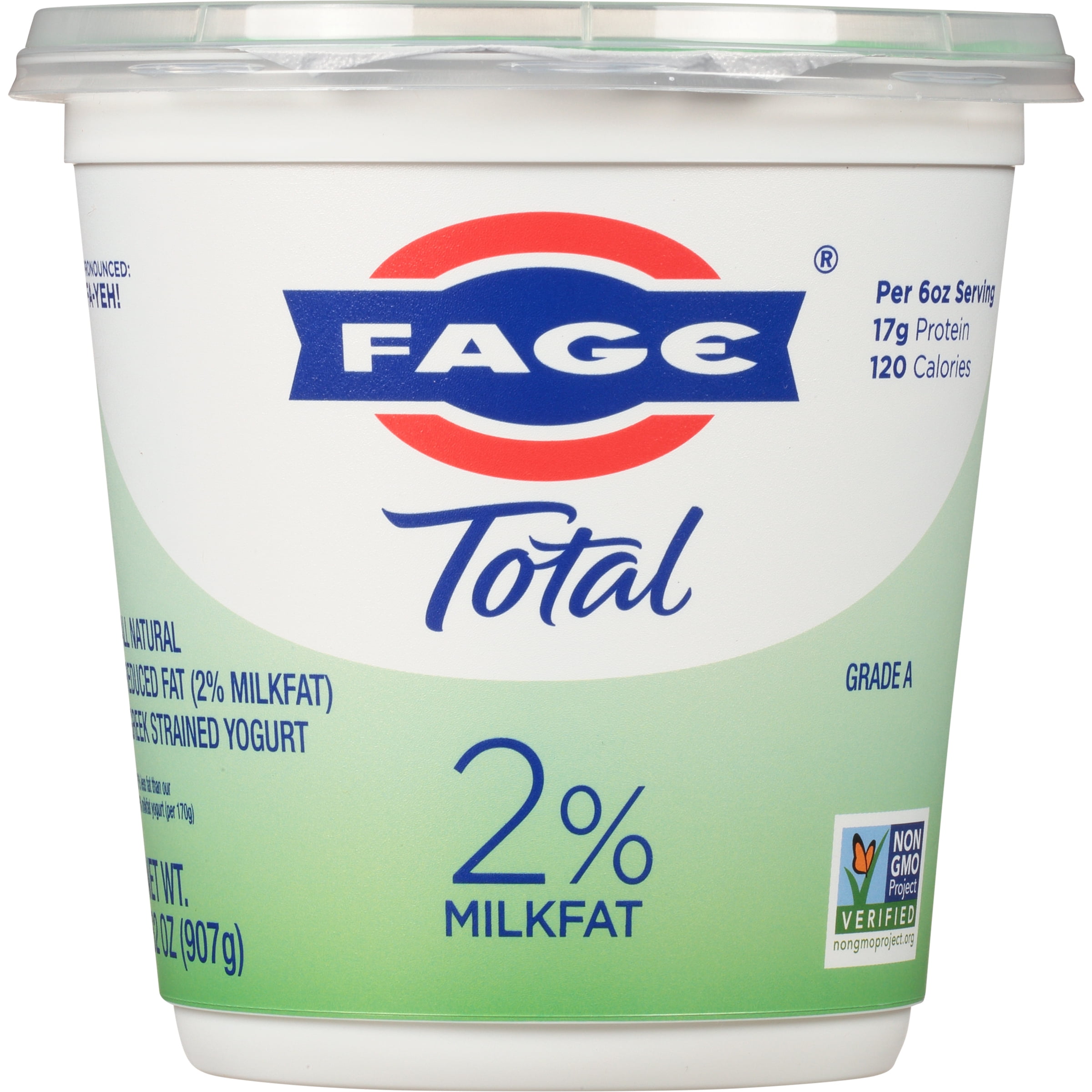


Strawberry Greek Lowfat Yogurt
Summary
This yogurt contains beneficial probiotics and a good protein content, which are positive for gut health and nutrition. However, it is classified as ultra-processed due to the inclusion of additives like natural flavors and steviol glycosides, which detract from its overall healthiness. The presence of these additives and the high level of processing limit its score despite the presence of beneficial ingredients.
At a glance
Key ingredients 14
Cultured pasteurized nonfat milkGood
Cultured pasteurized nonfat milk is a primary source of protein and calcium, essential for bone health. The pasteurization process ensures safety by eliminating harmful bacteria. It provides a base for probiotics, which can improve gut health.
Benefits
Rich in protein and calcium, supporting bone health and muscle maintenance. Provides a base for beneficial probiotics that can enhance digestive health.
Milk protein concentrateGood
Milk protein concentrate is a concentrated source of high-quality protein, beneficial for muscle repair and growth. It is derived from milk through filtration processes that retain essential amino acids. This ingredient enhances the protein content of the yogurt.
Benefits
Provides a rich source of essential amino acids necessary for muscle repair and growth. Enhances the overall protein content of the product, supporting dietary protein intake.
Pasteurized creamGood
Pasteurized cream adds richness and a smooth texture to the yogurt, contributing to its flavor profile. The pasteurization process ensures safety by eliminating pathogens. It provides healthy fats that can be part of a balanced diet.
Benefits
Contributes to the creamy texture and flavor of the yogurt. Provides healthy fats that can support satiety and nutrient absorption.
Native corn starchNeutral
Native corn starch is used as a thickening agent to improve the texture of the yogurt. It is derived from corn and is minimally processed. While it does not provide significant nutritional benefits, it is generally considered safe.
Benefits
Improves the texture and consistency of the yogurt without adding significant calories or nutrients.
Natural flavorBad
Natural flavor is a catch-all term that can include a variety of substances derived from natural sources. It lacks transparency, making it difficult to assess its health impact. The use of natural flavors is often criticized for masking the true quality of the product.
Risks
Potential for undisclosed allergens or additives that may cause sensitivities in some individuals.
PectinNeutral
Pectin is a natural thickening agent derived from fruits, used to improve the texture of the yogurt. It is a soluble fiber that can aid in digestion. While it does not provide significant nutritional benefits, it is generally considered safe.
Benefits
May aid in digestion due to its soluble fiber content, contributing to a smoother texture in the yogurt.
Steviol glycosidesNeutral
Steviol glycosides are natural sweeteners derived from the stevia plant, providing sweetness without calories. They are considered safe and have no significant health concerns. This ingredient is used to reduce sugar content while maintaining sweetness.
Benefits
Provides sweetness without adding calories, making it suitable for reducing sugar intake.
Vegetable juice concentrateNeutral
Vegetable juice concentrate is used for coloring, derived from natural vegetable sources. It is minimally processed and considered safe. While it does not provide significant nutritional benefits, it enhances the visual appeal of the product.
Benefits
Enhances the visual appeal of the product without adding artificial colors.
Sea saltGood
Unrefined sea salt — a minimally processed, natural source of sodium and essential trace minerals, and a legitimate whole-food seasoning. Treated as a positive ingredient.
Risks
Excessive sodium intake may contribute to high blood pressure in sensitive individuals.
Benefits
Enhances flavor and provides essential sodium, which is necessary for various bodily functions.
S. thermophilusGood
S. thermophilus is a probiotic culture used in yogurt fermentation, beneficial for gut health. It helps in the digestion of lactose and improves the texture of the yogurt. This culture supports a healthy gut microbiome.
Benefits
Supports gut health by promoting a healthy microbiome and aiding in lactose digestion.
L. bulgaricusGood
L. bulgaricus is a probiotic culture essential for yogurt fermentation, contributing to gut health. It enhances the yogurt's texture and flavor while supporting digestive health. This culture is known for its role in traditional yogurt production.
Benefits
Promotes digestive health and enhances the yogurt's texture and flavor.
L. acidophilusGood
L. acidophilus is a beneficial probiotic that supports gut health and immune function. It is commonly used in yogurt to enhance probiotic content. This culture can help maintain a balanced gut microbiome.
Benefits
Supports a healthy gut microbiome and may enhance immune function.
BifidobacteriumGood
Bifidobacterium is a probiotic that aids in digestion and supports a healthy gut microbiome. It is often included in yogurt to boost probiotic benefits. This culture can improve digestive health and enhance nutrient absorption.
Benefits
Enhances digestive health and supports a balanced gut microbiome.
L. paracaseiGood
L. paracasei is a probiotic culture that supports gut health and immune function. It is included in yogurt to enhance its probiotic profile. This culture can help maintain digestive health and improve immune response.
Benefits
Supports digestive health and may enhance immune function.
Processing
Ultra-Processed Foods
Get the full breakdown in the Scout app
Scan any product to see lab results, healthy alternatives, and your personalized analysis.
Download on theApp Store