

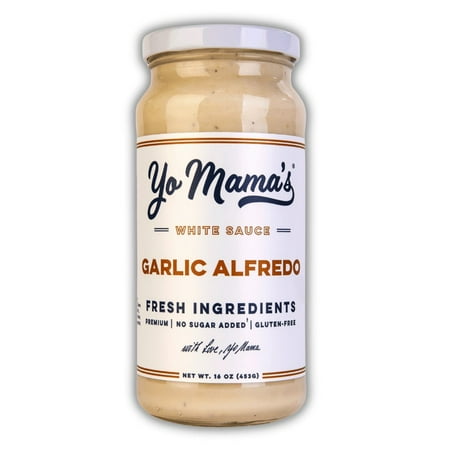

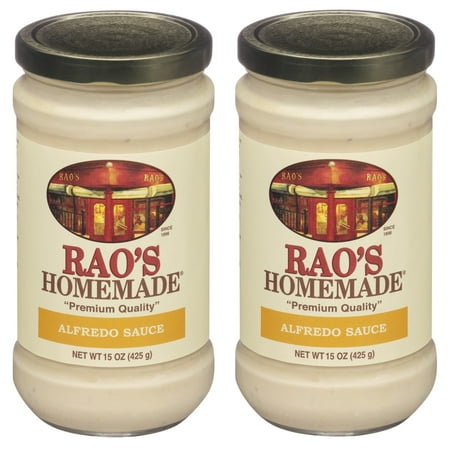

Four Cheese Alfredo Sauce
Summary
This Four Cheese Alfredo Sauce contains beneficial ingredients like cream and various cheeses, which provide essential nutrients and flavor. However, it is heavily processed with additives such as sodium phosphate and natural flavors, which detract from its overall healthiness. The presence of added sugar and a high level of processing further impact its nutritional quality, limiting its score.
At a glance
Key ingredients 18
WaterNeutral
Water is a neutral ingredient used as a base in many food products. It does not provide nutritional value but is essential for consistency and texture. It is generally safe and poses no health risks.
See more about Water →CreamGood
Cream is a dairy product that provides richness and flavor to sauces. It contains healthy fats and fat-soluble vitamins like A and D. When sourced from grass-fed cows, it may have higher omega-3 content.
Risks
High in saturated fats, which may contribute to heart disease if consumed in excess.
Benefits
Provides a source of healthy fats and fat-soluble vitamins. May contain beneficial omega-3 fatty acids if sourced from grass-fed cows.
Food Starch-ModifiedNeutral
Modified food starch is used as a thickening agent in processed foods. It is chemically altered to improve stability and texture. Generally considered safe but offers no nutritional benefits.
Enzyme Modified Egg YolksGood
Enzyme modified egg yolks are used to enhance flavor and emulsify sauces. They provide essential nutrients like choline and vitamins A, D, and E. The enzymatic process improves texture without significant nutrient loss.
Risks
Potential allergen for individuals with egg allergies.
Benefits
Rich in essential nutrients such as choline and fat-soluble vitamins. Enhances flavor and texture in culinary applications.
Parmesan CheeseGood
Parmesan cheese is a hard cheese known for its rich flavor and high calcium content. It is made from pasteurized milk and contains beneficial probiotics. Aging enhances its flavor and digestibility.
Risks
Contains lactose, which may be problematic for lactose-intolerant individuals.
Benefits
High in calcium and protein, supporting bone health. Contains probiotics that may aid digestion.
SugarBad
Sugar is a refined carbohydrate that provides sweetness but lacks essential nutrients. Excessive consumption can lead to health issues like obesity and diabetes. It is often added to enhance flavor in processed foods.
Risks
High intake can contribute to obesity, diabetes, and dental cavities.
SaltNeutral
Salt is used to enhance flavor and preserve food. It is essential for bodily functions but should be consumed in moderation. Excessive intake can lead to hypertension and cardiovascular issues.
Risks
Excessive consumption may lead to high blood pressure and cardiovascular diseases.
Benefits
Essential for maintaining fluid balance and nerve function in the body.
Mozzarella CheeseGood
Mozzarella cheese is a soft cheese that provides protein and calcium. Made from pasteurized milk, it is lower in fat compared to other cheeses. It is a good source of essential nutrients like calcium and phosphorus.
Risks
Contains lactose, which may be problematic for lactose-intolerant individuals.
Benefits
Provides protein and calcium, supporting muscle and bone health.
Sodium PhosphateBad
Sodium phosphate is used as an emulsifier and preservative in processed foods. It can affect mineral balance in the body if consumed in large amounts. It is often added to improve texture and shelf life.
Risks
Excessive intake may lead to imbalances in calcium and phosphorus levels.
Provolone CheeseGood
Provolone cheese is a semi-hard cheese that provides protein and calcium. It is made from pasteurized milk and contains beneficial fats and vitamins. Aging enhances its flavor and nutrient profile.
Risks
Contains lactose, which may be problematic for lactose-intolerant individuals.
Benefits
Rich in protein and calcium, supporting bone and muscle health.
Dried GarlicGood
Dried garlic is used for its flavor and potential health benefits. It contains compounds like allicin that may support heart health. It is a natural ingredient with antioxidant properties.
Benefits
Contains antioxidants and compounds that may support cardiovascular health.
Gum BlendNeutral
Gum blend, including guar gum and gum arabic, is used as a thickener and stabilizer. It helps improve texture and consistency in processed foods. Generally considered safe but offers no nutritional benefits.
Risks
Excessive consumption may cause digestive discomfort in sensitive individuals.
Black PepperGood
Black pepper is a spice that enhances flavor and may have health benefits. It contains piperine, which can improve nutrient absorption. It is a natural ingredient with antioxidant properties.
Benefits
May enhance nutrient absorption and contains antioxidants.
Natural FlavorsBad
Natural flavors are used to enhance taste but lack transparency in their composition. They can contain a variety of compounds, some of which may be synthetic. The lack of disclosure can be concerning for consumers seeking clean labels.
Risks
Potential allergen risk due to undisclosed ingredients.
Cultured WheyGood
Cultured whey is a byproduct of cheese production that contains beneficial probiotics. It can enhance flavor and improve gut health. It is a natural ingredient that supports digestive health.
Risks
Contains lactose, which may be problematic for lactose-intolerant individuals.
Benefits
Contains probiotics that may support gut health and digestion.
Cheddar CheeseGood
Cheddar cheese is a popular cheese known for its rich flavor and high calcium content. It is made from pasteurized milk and contains beneficial fats and vitamins. Aging enhances its flavor and nutrient profile.
Risks
Contains lactose, which may be problematic for lactose-intolerant individuals.
Benefits
Rich in calcium and protein, supporting bone and muscle health.
Citric AcidNeutral
Citric acid is used as a preservative and flavor enhancer in foods. It is naturally found in citrus fruits and is generally recognized as safe. It helps maintain freshness and acidity in processed foods.
See more about Citric Acid →Lactic AcidNeutral
Lactic acid is used as a preservative and acidity regulator in foods. It is naturally produced during fermentation and is generally recognized as safe. It helps maintain the pH and flavor of processed foods.
See more about Lactic Acid →Processing
Ultra-Processed Foods
Get the full breakdown in the Scout app
Scan any product to see lab results, healthy alternatives, and your personalized analysis.
Download on theApp Store