


At a glance
Summary
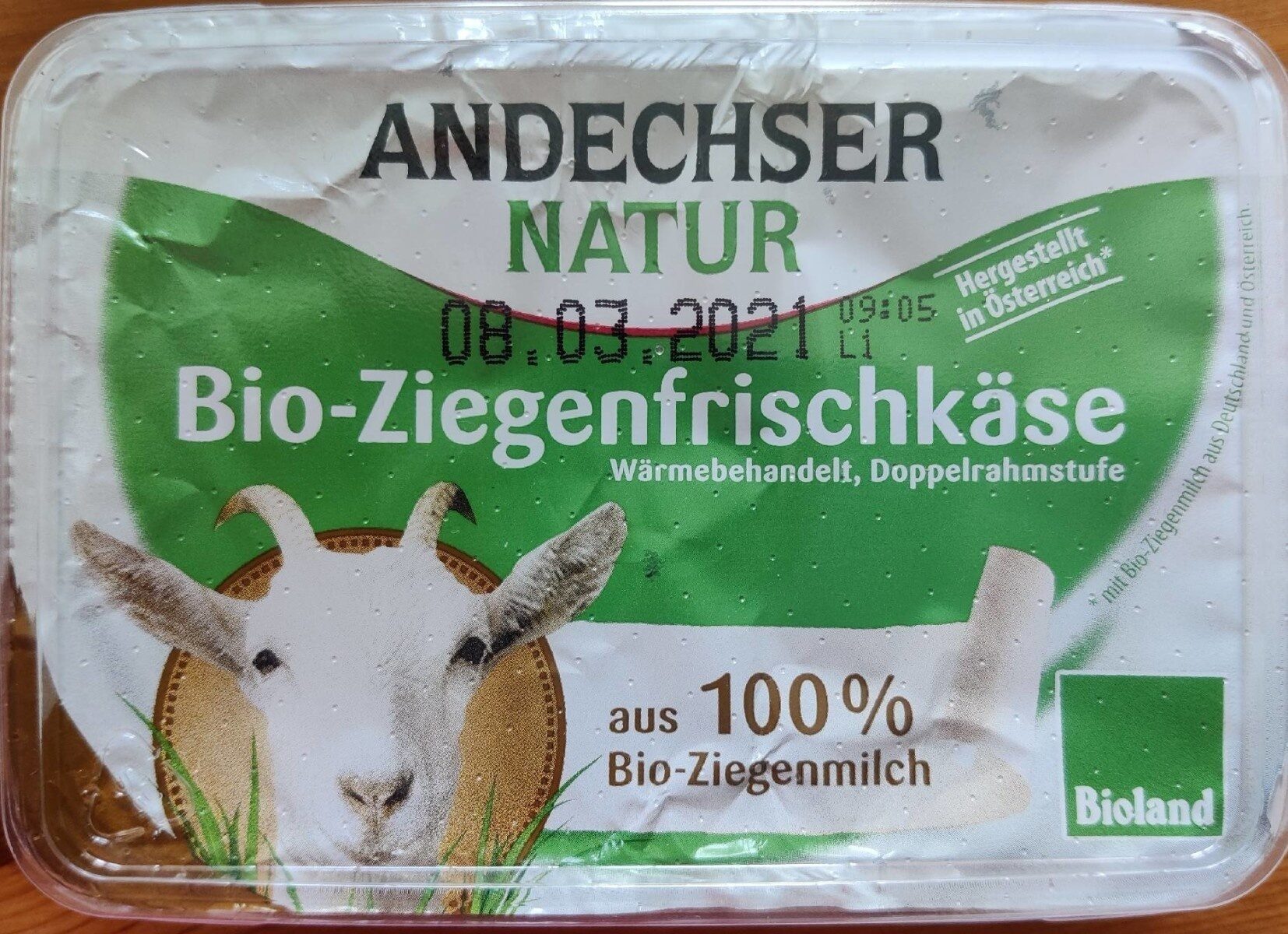
This goat cheese is made from organic goat cream, sea salt, and cultures, which are high-quality ingredients contributing to its nutritional value. The product is processed but maintains a clean label with no harmful additives, making it a healthier choice within its category. The use of organic ingredients and minimal processing enhances its overall quality, although the processing level limits its maximum score.
Key ingredients 4
Goat creamGood
Goat cream is a rich source of healthy fats and provides a creamy texture to the cheese. It is less allergenic than cow's milk and contains beneficial fatty acids. The use of organic goat cream indicates a higher quality product with fewer contaminants.
Benefits
Provides essential fatty acids and is easier to digest for some individuals compared to cow's milk.
Sea saltGood
Sea salt is a natural source of sodium and trace minerals, enhancing the flavor of the cheese. It is minimally processed compared to refined table salt. The presence of trace minerals can contribute to overall mineral intake.
Risks
Excessive consumption of sodium can lead to high blood pressure and other cardiovascular issues.
Benefits
Contains trace minerals that can support electrolyte balance and overall health.
Lactic acid culturesNeutral
Lactic acid cultures are used in cheese production to ferment lactose and develop flavor. They are essential for the cheese-making process but do not provide significant nutritional benefits. The cultures help in preserving the cheese and enhancing its taste.
Benefits
Contributes to the development of flavor and texture in cheese.
Microbial rennetNeutral
Microbial rennet is used to coagulate milk in cheese production, providing an alternative to animal-derived rennet. It is suitable for vegetarians and does not impact the nutritional profile of the cheese. The use of microbial rennet supports ethical and dietary preferences.
Benefits
Allows for cheese production without animal-derived enzymes, suitable for vegetarians.
Processing
Processed Foods
Get the full breakdown in the Scout appTake Scout shopping
Scan any product to see lab results, healthy alternatives, and your personalized analysis.
Download on theApp Store GET IT ONGoogle Play