

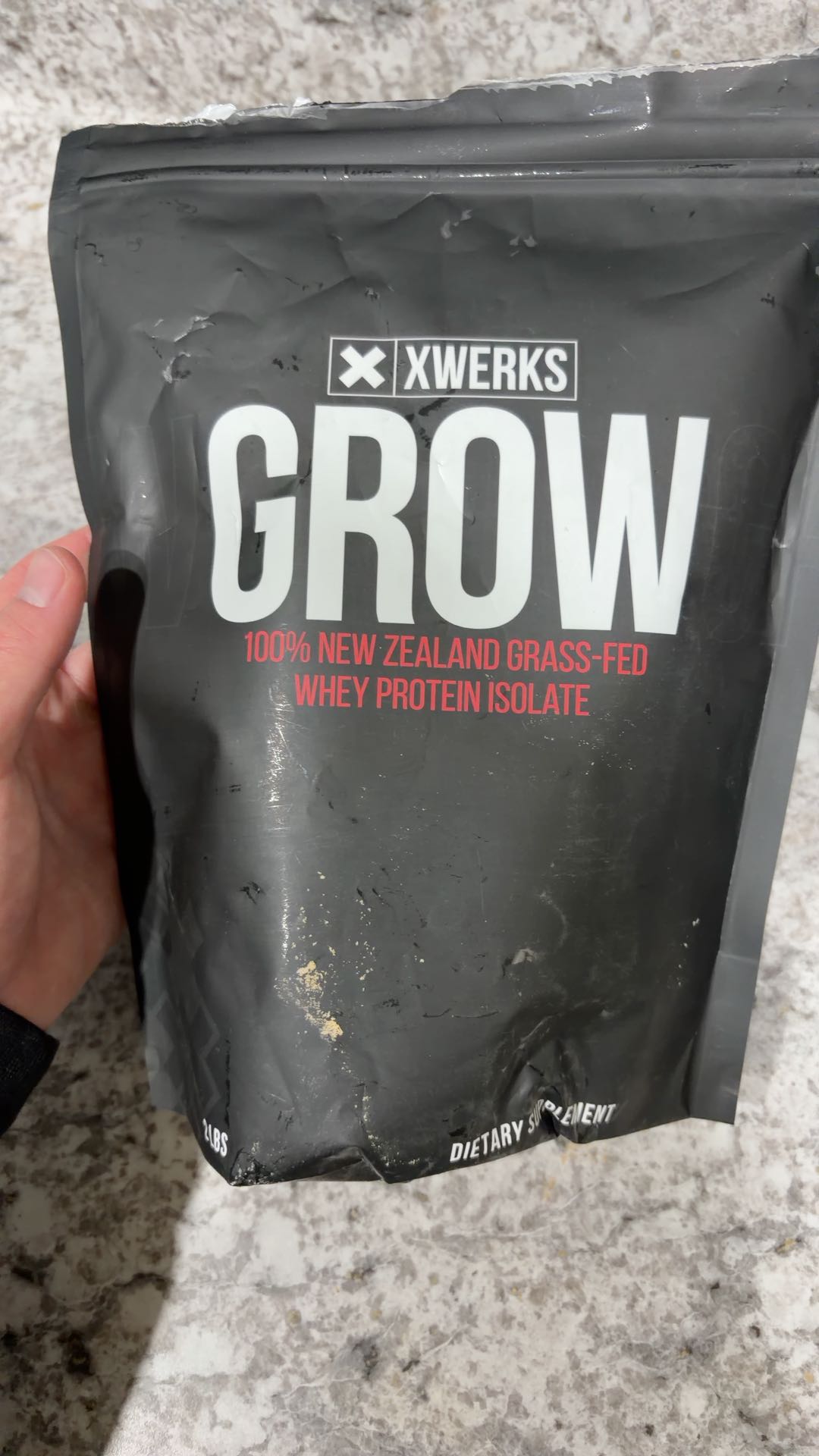
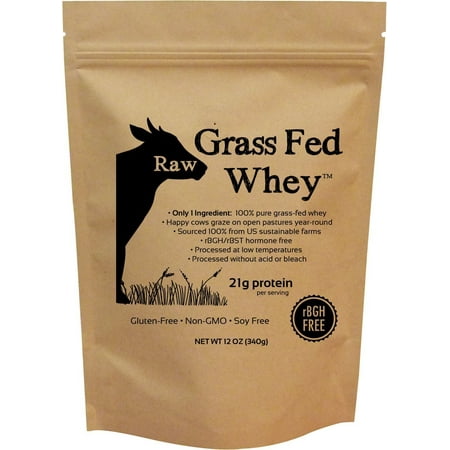


At a glance
Summary
This protein powder contains high-quality whey protein concentrate and isolate, which are beneficial for muscle growth and recovery. However, it includes sucralose, an artificial sweetener, which may impact gut health and insulin response. The presence of unspecified flavoring and emulsifiers adds to the processing level, slightly reducing its overall score.
Key ingredients 9
Whey Protein ConcentrateGood
Whey protein concentrate is a high-quality animal-based protein source with a rich amino acid profile. It is processed through ultrafiltration, which helps retain beneficial nutrients. Compared to plant-based proteins, it offers superior muscle-building benefits.
Benefits
Provides essential amino acids that support muscle growth and recovery.
Whey Protein IsolateGood
Whey protein isolate is a highly refined form of whey protein with minimal lactose and fat. It is produced using cross-flow microfiltration, which preserves protein integrity. This makes it an excellent choice for those seeking a lean protein source.
Benefits
Offers a high protein content with minimal carbohydrates and fats, ideal for muscle maintenance.
SaltNeutral
Salt is used to enhance flavor and is a common ingredient in many foods. In moderate amounts, it is generally safe for consumption. Excessive intake, however, can lead to health issues such as hypertension.
Risks
High sodium intake can contribute to elevated blood pressure and cardiovascular issues.
Benefits
Enhances flavor and can help with electrolyte balance in moderation.
Silicon DioxideNeutral
Silicon dioxide is used as an anti-caking agent to prevent clumping. It is generally recognized as safe when used in small amounts. It does not contribute any nutritional value to the product.
Benefits
Helps maintain the free-flowing nature of powdered products.
Steviol GlycosidesNeutral
Steviol glycosides are natural sweeteners derived from the stevia plant. They are calorie-free and considered safe for consumption. Unlike artificial sweeteners, they are less likely to have adverse health effects.
Benefits
Offers a natural, zero-calorie sweetening option.
CaroteneNeutral
Carotene is a natural pigment used as a coloring agent. It is derived from plants and is generally considered safe. It does not contribute significant nutritional value in the amounts used for coloring.
Benefits
Provides natural coloring without synthetic dyes.
AromaBad
The term 'aroma' often refers to unspecified flavoring agents, which can include artificial components. Lack of transparency in ingredient sourcing raises concerns about potential synthetic additives. This ingredient is penalized for being a catch-all term without clear disclosure.
Risks
Potential inclusion of artificial flavors may pose health concerns for sensitive individuals.
LecithinBad
Lecithin is used as an emulsifier and is often derived from soy or sunflower. While it aids in texture and mixing, it is a processed ingredient. Its presence is not inherently harmful but is considered less desirable in clean formulations.
Risks
May cause allergic reactions in individuals sensitive to soy or sunflower.
Benefits
Helps improve the mixability and texture of the product.
SucraloseBad
Sucralose is an artificial sweetener used to provide sweetness without calories. It is chemically altered to be non-caloric, which raises concerns about its long-term health effects. Some studies suggest it may affect gut health and insulin response.
Risks
Potential to alter gut microbiota and affect insulin sensitivity.
Benefits
Provides sweetness without adding calories, beneficial for calorie-restricted diets.
Processing
Ultra-Processed Foods
Get the full breakdown in the Scout appTake Scout shopping
Scan any product to see lab results, healthy alternatives, and your personalized analysis.
Download on theApp Store GET IT ONGoogle Play