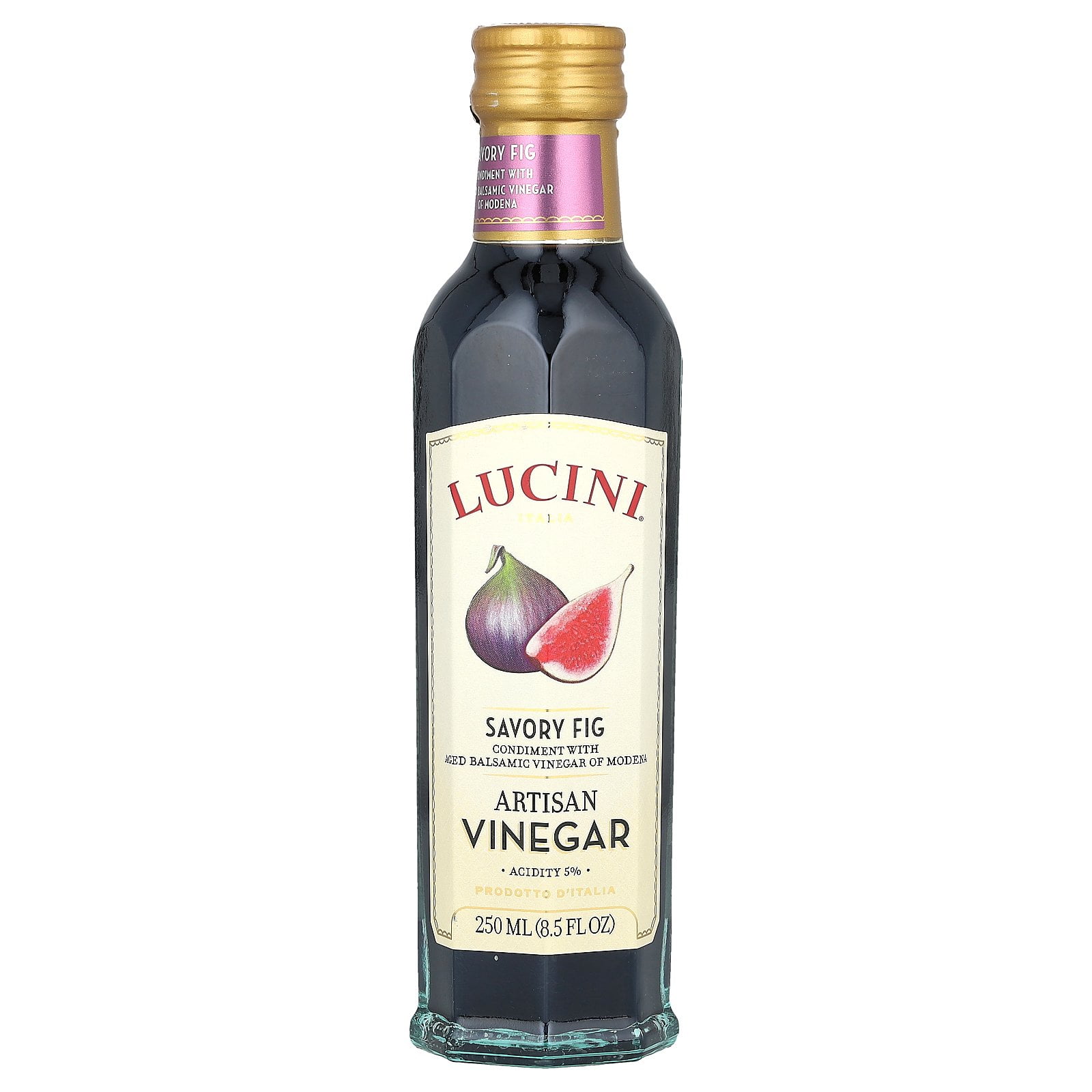
Balsamico

At a glance
Summary
This balsamic vinegar is a processed culinary ingredient made primarily from organic grape must and wine vinegar, which are fermented and aged to enhance flavor and antioxidant properties. The use of organic ingredients and the absence of harmful additives contribute positively to its health profile. However, the high sugar content and moderate level of processing slightly impact its overall score. Its plastic packaging can shed microplastics into the food and lowers its score.
Key ingredients 5
Balsamic vinegar of ModenaGood
Balsamic vinegar of Modena is a traditional condiment known for its rich flavor and potential health benefits. It is made from grape must and wine vinegar, which are fermented and aged, enhancing its antioxidant properties. The use of organic ingredients further improves its quality and health profile.
Benefits
Contains antioxidants that may help reduce oxidative stress and support heart health. The fermentation process can also contribute to gut health.
Wine vinegarNeutral
Wine vinegar is a common ingredient in balsamic vinegar, providing acidity and flavor. It is produced through the fermentation of wine, which is a natural process. While it adds flavor, it does not offer significant nutritional benefits.
Benefits
Provides acidity that can enhance the flavor of dishes.
Concentrated grape mustNeutral
Concentrated grape must is used to add sweetness and depth of flavor to balsamic vinegar. It is made by reducing grape juice, which concentrates its sugars and flavors. While it enhances taste, it does not provide significant health benefits.
Risks
High sugar content may be a concern for those monitoring sugar intake.
Benefits
Adds natural sweetness and complexity to the flavor profile of balsamic vinegar.
Cooked grape mustNeutral
Cooked grape must is a key component in traditional balsamic vinegar, contributing to its rich flavor and color. It is made by cooking grape juice to concentrate its sugars and flavors. While it enhances taste, it does not offer significant nutritional benefits.
Risks
High sugar content may be a concern for those monitoring sugar intake.
Benefits
Enhances the flavor and color of balsamic vinegar, providing a traditional taste experience.
CornstarchNeutral
Cornstarch is used as a thickening agent in various food products. It is derived from corn and is a common ingredient in processed foods. While it serves a functional purpose, it does not provide significant nutritional benefits.
Benefits
Provides texture and consistency to the product.
Processing
Processed Culinary Ingredients
Get the full breakdown in the Scout appTake Scout shopping
Scan any product to see lab results, healthy alternatives, and your personalized analysis.
Are you REWE Bio? Fix an error Get the badge Get tested