


Delicate mango
Summary
This product contains beneficial ingredients like mangos, niacin, reduced iron, and ascorbic acid, which contribute to its nutritional value. However, the presence of added sugar and natural flavors, along with its processed nature, lowers its overall health rating. The processing level and inclusion of refined sugar and flavor enhancers prevent it from achieving a higher score.
At a glance
Key ingredients 12
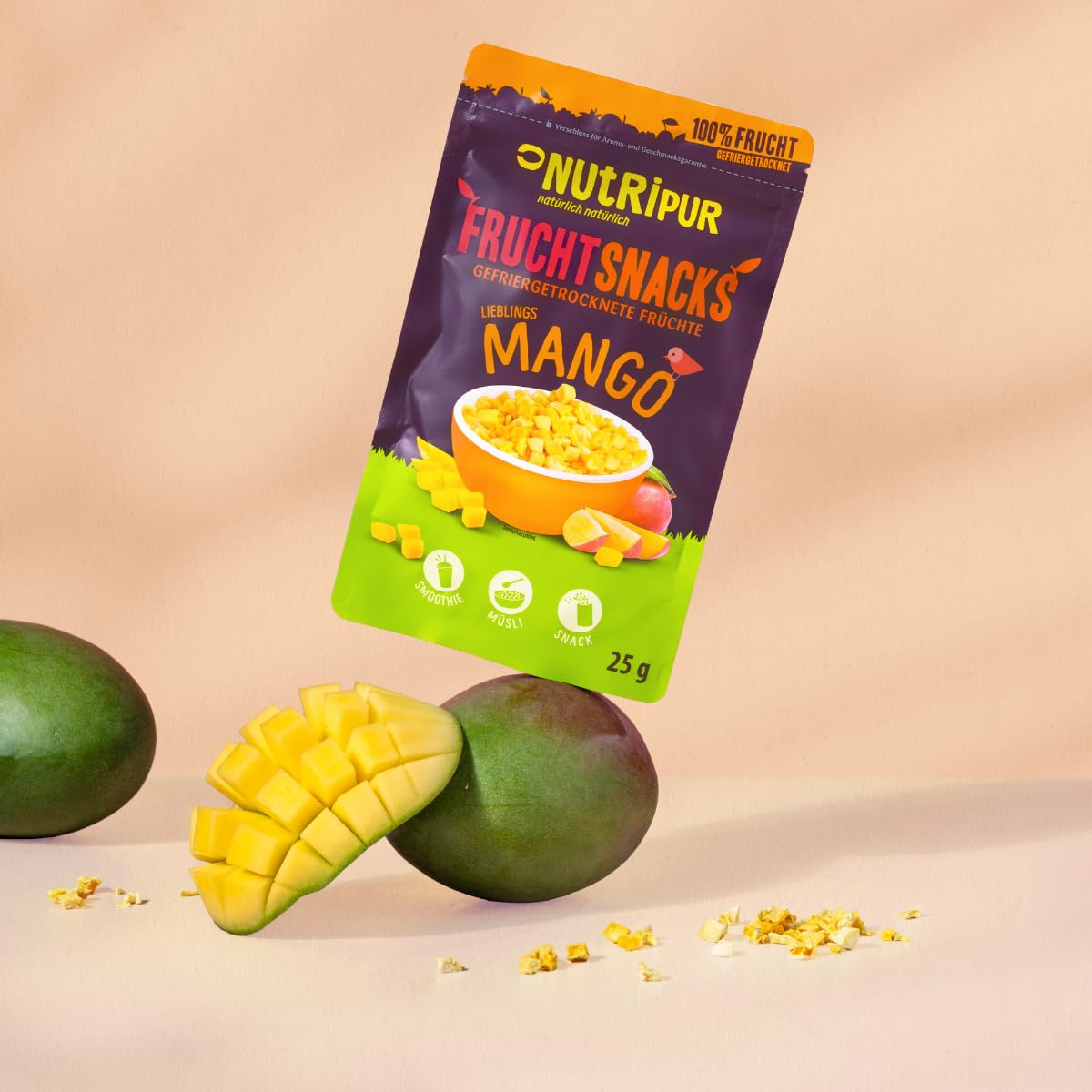
MangosVery Good
Mangos are a whole fruit rich in vitamins, minerals, and antioxidants. They provide dietary fiber and vitamin C, supporting immune function and digestive health. As a minimally processed ingredient, they retain their natural nutrients.
Benefits
Rich in vitamin C and antioxidants, which support immune health and reduce oxidative stress. Provides dietary fiber that aids in digestion.
Wheat FlourNeutral
Wheat flour is a common ingredient used in baking and cooking. It provides carbohydrates and some protein but lacks significant micronutrients. It is a refined grain, which may have reduced nutritional value compared to whole grains.
Risks
May cause allergic reactions in individuals with gluten intolerance or celiac disease.
Benefits
Provides carbohydrates for energy and some protein content.
Hard Wheat FlourNeutral
Hard wheat flour is high in protein and often used for bread making. It provides structure and elasticity to doughs. However, it is a refined flour, which may lack the fiber and nutrients found in whole grains.
Risks
Contains gluten, which can be problematic for those with celiac disease or gluten sensitivity.
Benefits
High protein content supports dough elasticity and structure in baking.
Malted Barley FlourNeutral
Malted barley flour is used to enhance flavor and improve dough fermentation. It contains enzymes that aid in breaking down starches into sugars. It is typically used in small amounts and does not significantly impact nutritional content.
Risks
May contain gluten, posing a risk to those with gluten intolerance.
Benefits
Enhances flavor and aids in dough fermentation through natural enzymes.
NiacinGood
Niacin, also known as vitamin B3, is essential for energy metabolism and maintaining healthy skin. It is often added to foods to prevent deficiencies. As a water-soluble vitamin, it is generally safe and beneficial in appropriate amounts.
Risks
Excessive intake can lead to skin flushing and liver damage, but this is rare from food sources.
Benefits
Supports energy metabolism and skin health. Helps prevent niacin deficiency.
Reduced IronGood
Reduced iron is added to foods to prevent iron deficiency anemia. It is a bioavailable form of iron that supports oxygen transport in the blood. Fortification helps meet daily iron requirements, especially in populations at risk of deficiency.
Risks
Excessive iron intake can lead to toxicity, but this is uncommon from fortified foods.
Benefits
Prevents iron deficiency anemia and supports healthy blood oxygen levels.
WaterNeutral
Water is a fundamental ingredient used as a solvent and to maintain moisture in food products. It is essential for hydration and does not contribute calories or nutrients. Its presence in food is generally neutral in terms of health impact.
Benefits
Essential for hydration and maintaining moisture in food products.
SugarBad
Sugar is a refined carbohydrate that provides quick energy but lacks essential nutrients. Excessive consumption is linked to obesity, diabetes, and dental cavities. It is often added to enhance sweetness but should be consumed in moderation.
Risks
High intake can lead to obesity, insulin resistance, and dental issues.
Benefits
Provides quick energy but lacks significant nutritional benefits.
Ascorbic AcidGood
Ascorbic acid, or vitamin C, is an antioxidant that supports immune function and skin health. It is often added to foods to prevent oxidation and preserve freshness. As a water-soluble vitamin, it is generally safe and beneficial.
Benefits
Supports immune health and acts as an antioxidant to reduce oxidative stress.
Natural FlavorBad
Natural flavor is a broad term that can include various extracts and compounds to enhance taste. It lacks transparency, making it difficult to assess its health impact. While derived from natural sources, it may still involve processing and additives.
Risks
Potential for undisclosed additives or allergens, though generally recognized as safe.
Benefits
Enhances flavor without adding calories, but lacks nutritional benefits.
Citric AcidNeutral
Citric acid is a natural preservative and flavor enhancer found in citrus fruits. It is used to add acidity and preserve freshness in foods. While generally safe, it is often synthetically produced for commercial use.
Risks
Excessive consumption may cause tooth enamel erosion, but typical food use is safe.
Benefits
Acts as a preservative and enhances flavor with minimal health impact.
Calcium ChlorideNeutral
Calcium chloride is used as a firming agent and to maintain texture in foods. It is generally recognized as safe and provides a source of calcium. However, it is used in small amounts and does not significantly contribute to dietary calcium intake.
Benefits
Helps maintain food texture and provides a minor source of calcium.
Processing
Processed Foods
Get the full breakdown in the Scout app
Scan any product to see lab results, healthy alternatives, and your personalized analysis.
Download on theApp Store