






At a glance
Summary
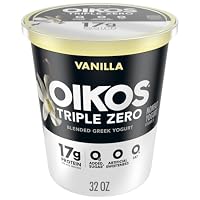
This product contains beneficial ingredients such as dairy products and milk protein, which provide essential nutrients and high-quality protein. However, the presence of sucralose, an artificial sweetener, and a thickening agent slightly detracts from its overall health profile. The product is moderately processed, but it maintains a balance of beneficial nutrients and minimal harmful additives.
Key ingredients 9
Vitamin DVery Good
Vitamin D is essential for calcium absorption and bone health. It is often added to foods to prevent deficiencies, especially in populations with limited sun exposure. Adequate vitamin D levels support immune function and overall health.
Benefits
Supports bone health and immune function.
Dairy ProductsGood
Dairy products are a good source of calcium and protein, essential for bone health and muscle maintenance. They are minimally processed and provide a range of nutrients. The quality of dairy can vary based on the source and processing, but generally, they are beneficial in a balanced diet.
Risks
Some individuals may be lactose intolerant or allergic to dairy.
Benefits
Rich in calcium and protein, supporting bone and muscle health.
Milk ProteinGood
Milk protein is a high-quality protein source with a complete amino acid profile, beneficial for muscle repair and growth. It is derived from milk and is well-absorbed by the body. Compared to plant-based proteins, it offers superior bioavailability.
Risks
May cause allergic reactions in individuals with milk allergies.
Benefits
Provides essential amino acids for muscle repair and growth.
Vitamin B1Good
Vitamin B1, or thiamine, is crucial for energy metabolism and nerve function. It is often added to foods to ensure adequate intake. Thiamine deficiency can lead to neurological and cardiovascular issues.
Benefits
Supports energy metabolism and nerve function.
Vitamin B2Good
Vitamin B2, or riboflavin, is important for energy production and cellular function. It is commonly added to foods to prevent deficiencies. Riboflavin also acts as an antioxidant, protecting cells from oxidative damage.
Benefits
Supports energy production and acts as an antioxidant.
FlavoringNeutral
Flavoring is used to enhance the taste of products but does not provide nutritional benefits. It can be natural or artificial, with varying health impacts. The specific type of flavoring used is not detailed, making it difficult to assess its health impact.
Risks
Potential for artificial additives if not specified as natural.
Benefits
Enhances taste, making the product more palatable.
Thickener (Amylopectin Processed Starch)Neutral
Thickeners like amylopectin processed starch are used to improve texture and consistency. They are generally considered safe but offer no nutritional benefits. The processing method can affect digestibility and absorption.
Benefits
Improves texture and consistency of the product.
SugarBad
Refined added sugar.
Risks
High intake can contribute to obesity and dental issues.
Benefits
Provides quick energy but should be consumed in moderation.
Sweetener (Sucralose)Bad
Sucralose is an artificial sweetener used to provide sweetness without calories. It is heavily processed and may affect gut health negatively. While it is calorie-free, its long-term health impacts are still debated.
Risks
May negatively impact gut health and has potential long-term health concerns.
Benefits
Provides sweetness without adding calories.
Processing
Processed Foods
Get the full breakdown in the Scout appTake Scout shopping
Scan any product to see lab results, healthy alternatives, and your personalized analysis.
Download on theApp Store GET IT ONGoogle Play