


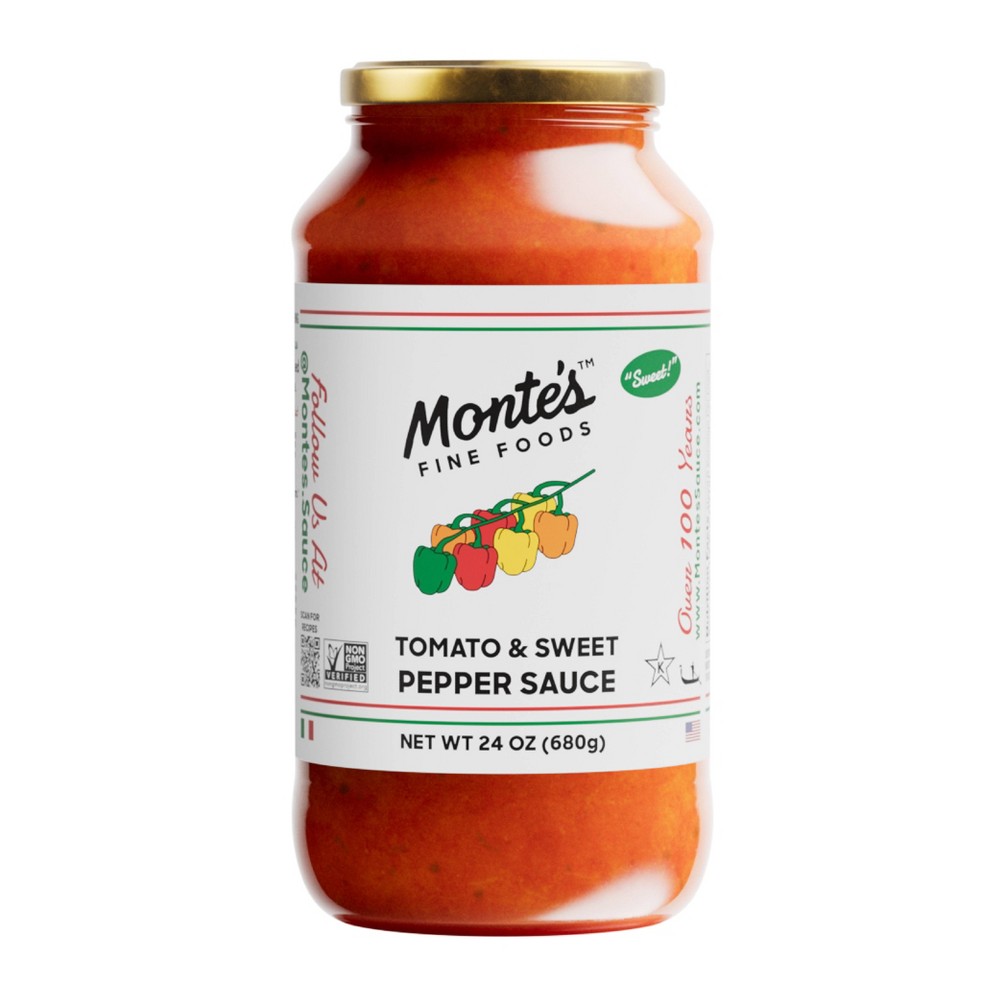

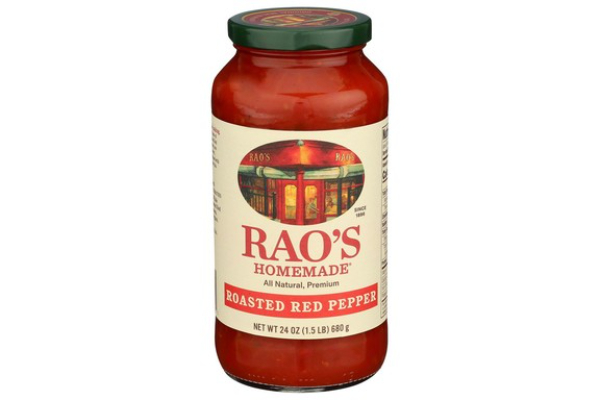
Pepper Sauce
Analysis updated August 2026 · How Scout scores
At a glance
Summary
This pepper sauce contains beneficial ingredients like chili peppers and garlic, which offer vitamins and antioxidants. However, the presence of sunflower oil, a highly processed oil high in omega-6 fatty acids, detracts from its health profile. The product is moderately processed, which limits its score despite the inclusion of some nutritious components.
Key ingredients 8
Chili peppersGood
Chili peppers are rich in vitamins and antioxidants, particularly vitamin C and capsaicin. Capsaicin is known for its anti-inflammatory and metabolism-boosting properties. The natural spiciness can enhance flavor without added calories.
Risks
Excessive consumption may cause digestive discomfort or irritation in sensitive individuals.
Benefits
Provides antioxidants and can aid in boosting metabolism and reducing inflammation.
Garlic clovesGood
Garlic is known for its potential cardiovascular benefits and immune-boosting properties. It contains allicin, which has antimicrobial and antioxidant effects. Regular consumption may support heart health and reduce blood pressure.
Risks
May cause digestive upset or allergic reactions in some individuals.
Benefits
Supports cardiovascular health and has antimicrobial properties.
Sea saltGood
Sea salt is a natural source of sodium and trace minerals, which are essential for maintaining fluid balance and nerve function. It is less processed than table salt, retaining more of its natural mineral content. The use of sea salt can enhance flavor without the need for excessive quantities.
Risks
Excessive sodium intake can lead to high blood pressure and cardiovascular issues.
Benefits
Provides essential minerals and enhances flavor.
Coriander seedsGood
Coriander seeds are rich in dietary fiber, antioxidants, and essential oils. They may aid digestion and have anti-inflammatory properties. The seeds can also contribute to improved cholesterol levels and blood sugar control.
Benefits
Supports digestion and may help in managing cholesterol and blood sugar levels.
White wine vinegarNeutral
White wine vinegar is a fermented product that adds acidity and flavor to foods. It is low in calories and can enhance the taste of dishes without adding fat. The fermentation process may provide some probiotic benefits, although minimal.
Benefits
Adds flavor and acidity with minimal calories.
Dill seedsNeutral
Dill seeds are used for their aromatic properties and potential digestive benefits. They contain essential oils that may aid in digestion and have a calming effect. However, their nutritional impact is minimal in small quantities.
Benefits
May aid digestion and provide aromatic flavor.
Corn flourNeutral
Corn flour is a refined carbohydrate used as a thickening agent in sauces. It provides energy but lacks significant nutritional benefits. The processing removes most of the fiber and nutrients found in whole corn.
Risks
May contribute to blood sugar spikes due to its refined nature.
Benefits
Provides a source of carbohydrates and acts as a thickening agent.
Sunflower oilVery Bad
Sunflower oil is high in omega-6 fatty acids, which can promote inflammation when consumed in excess. It is often highly processed, which can degrade its nutritional quality. The high omega-6 content can disrupt the omega-3 to omega-6 balance in the diet.
Risks
High omega-6 content may promote inflammation and contribute to chronic diseases when consumed excessively.
Processing
Processed Foods
Get the full breakdown in the Scout appTake Scout shopping
Scan any product to see lab results, healthy alternatives, and your personalized analysis.
Download on theApp Store GET IT ONGoogle PlayAmazon pricing & content
Amazon price as of . Product prices and availability are accurate as of the date/time indicated and are subject to change. Any price and availability information displayed on Amazon.com at the time of purchase will apply to the purchase of this product.
CERTAIN CONTENT THAT APPEARS ON THIS SITE COMES FROM AMAZON. THIS CONTENT IS PROVIDED “AS IS” AND IS SUBJECT TO CHANGE OR REMOVAL AT ANY TIME.