
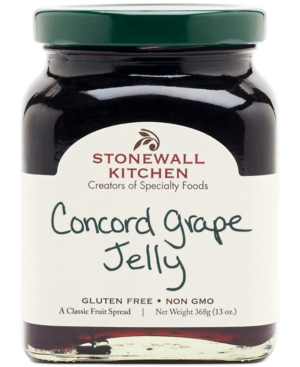

Stonewall Kitchen Concord Grape Jelly 13 oz
Analysis updated August 2026 · How Scout scores
At a glance
Summary
This grape jelly is primarily composed of refined sugar, which contributes to high caloric intake and is linked to health issues such as obesity and type 2 diabetes. While the ingredient list is relatively short and free from artificial additives, the high sugar content and processing level limit its healthfulness. The use of fruit pectin and citric acid is standard for jellies, but the overall processing and sugar concentration prevent a higher score.
Key ingredients 5
WaterNeutral
Water is a neutral ingredient used as a solvent and to adjust the consistency of the product. It does not contribute any calories or nutrients. Its presence is essential for the texture and spreadability of the jelly.
See more about Water →Concord Grape Juice ConcentrateNeutral
Grape juice concentrate provides flavor and natural sugars but lacks the fiber and full nutrient profile of whole grapes. The concentration process can lead to loss of some vitamins and antioxidants. It is primarily used for its sweet taste and color.
Risks
High in natural sugars, which can contribute to increased caloric intake.
Benefits
Contains some antioxidants and vitamins, although in reduced amounts compared to whole grapes.
Fruit PectinNeutral
Pectin is a natural gelling agent derived from fruits, used to thicken and stabilize the jelly. It is a soluble fiber that can aid in digestion. The processing of pectin involves extraction and purification, which may reduce some natural benefits.
Benefits
May aid in digestion due to its soluble fiber content.
Citric AcidNeutral
Citric acid is a natural preservative and flavor enhancer derived from citrus fruits. It helps to maintain the acidity and stability of the product. Industrial production involves fermentation, which is generally considered safe.
Risks
Excessive consumption may cause dental erosion or gastrointestinal discomfort.
Benefits
Helps preserve the product and enhance its flavor.
Pure Cane SugarBad
Refined sugar contributes to high caloric intake without providing essential nutrients. It is associated with increased risk of obesity, type 2 diabetes, and dental cavities. The processing of cane sugar removes beneficial nutrients found in whole sugarcane.
Risks
Excessive consumption can lead to weight gain, insulin resistance, and increased risk of chronic diseases.
Processing
Processed Foods
Get the full breakdown in the Scout appTake Scout shopping
Scan any product to see lab results, healthy alternatives, and your personalized analysis.
Download on theApp Store GET IT ONGoogle Play