


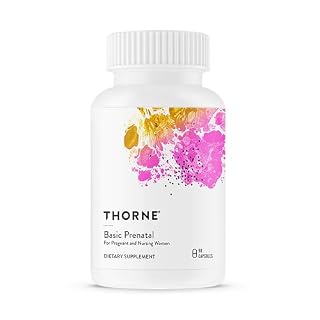
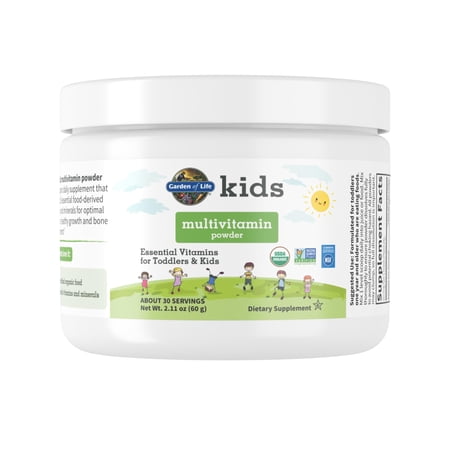
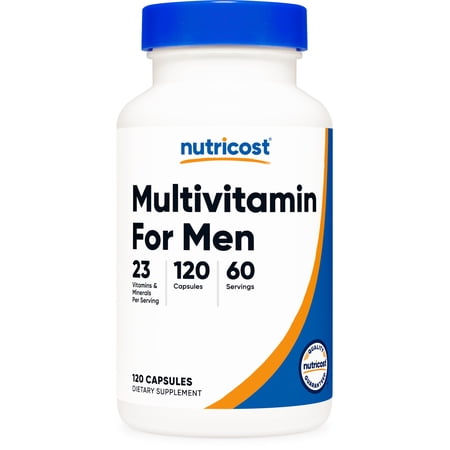
At a glance
Summary
This supplement contains a range of beneficial vitamins and minerals, such as Vitamin A, D3, C, and Zinc, which support various aspects of health including immune function and bone health. However, the presence of sucralose, an artificial sweetener, and pregelatinised starch, a processed filler, detracts from its overall quality. These ingredients introduce unnecessary processing and potential health concerns, impacting the formulation's integrity.
Key ingredients 17
Vitamin AVery Good
Vitamin A is essential for maintaining healthy vision, immune function, and skin health. It is a high-quality active ingredient commonly found in supplements. Adequate intake supports overall health and well-being.
Risks
Excessive intake can lead to toxicity, causing liver damage and other health issues.
Benefits
Supports vision, immune function, and skin health.
Vitamin CVery Good
Vitamin C is a powerful antioxidant that supports immune function and skin health. It is a high-quality active ingredient that aids in collagen synthesis. Regular intake helps protect cells from oxidative stress.
Risks
Excessive intake can cause gastrointestinal disturbances.
Benefits
Boosts immune function and aids in collagen production.
Vitamin B-complexVery Good
Vitamin B-complex supports energy production, brain function, and red blood cell formation. It is a high-quality group of vitamins essential for metabolic processes. Regular intake helps maintain energy levels and cognitive function.
Benefits
Enhances energy production and supports brain function.
SeleniumVery Good
Selenium is an antioxidant that supports thyroid function and immune health. It is a high-quality trace mineral essential for various bodily functions. Adequate intake helps protect cells from oxidative damage.
Risks
Excessive intake can lead to selenosis, causing hair loss and nail brittleness.
Benefits
Supports thyroid function and acts as an antioxidant.
ChromiumVery Good
Chromium enhances insulin action and supports glucose metabolism. It is a high-quality trace mineral that helps regulate blood sugar levels. Adequate intake is beneficial for metabolic health.
Risks
Excessive intake can lead to kidney and liver damage.
Benefits
Supports glucose metabolism and insulin action.
ManganeseVery Good
Manganese is essential for bone formation, blood clotting, and reducing inflammation. It is a high-quality trace mineral involved in many enzymatic reactions. Adequate intake supports bone health and metabolic processes.
Risks
High doses can lead to neurological problems.
Benefits
Supports bone health and enzymatic reactions.
Vitamin EVery Good
Vitamin E is a powerful antioxidant that protects cells from oxidative damage. It is a high-quality vitamin that supports immune function and skin health. Regular intake helps maintain healthy skin and immune response.
Risks
Excessive intake can increase the risk of bleeding.
Benefits
Protects cells from oxidative damage and supports immune health.
Vitamin KVery Good
Vitamin K is crucial for blood clotting and bone metabolism. It is a high-quality vitamin that supports cardiovascular and bone health. Adequate intake is essential for proper blood coagulation.
Benefits
Supports blood clotting and bone health.
Vitamin D3Good
Vitamin D3 is crucial for calcium absorption and bone health. It is a high-quality form of vitamin D that is more effective than D2. Regular intake helps maintain strong bones and supports immune function.
Risks
High doses can lead to hypercalcemia, causing nausea and kidney problems.
Benefits
Enhances calcium absorption and supports bone and immune health.
ZincGood
Zinc is essential for immune function, wound healing, and DNA synthesis. It is a high-quality mineral that supports numerous enzymatic reactions. Adequate intake is crucial for overall health.
Risks
High doses can lead to nausea and interfere with copper absorption.
Benefits
Supports immune function and enzymatic reactions.
MagnesiumGood
Magnesium is vital for muscle and nerve function, blood glucose control, and bone health. It is a high-quality mineral that plays a role in over 300 enzymatic reactions. Adequate intake supports cardiovascular and metabolic health.
Risks
Excessive intake can cause diarrhea and abdominal cramping.
Benefits
Supports muscle, nerve function, and bone health.
BiotinGood
Biotin supports healthy hair, skin, and nails and is involved in energy metabolism. It is a high-quality B vitamin that aids in the conversion of food into energy. Regular intake promotes healthy skin and hair.
Benefits
Promotes healthy hair, skin, and nails.
Flaxseed Oil PowderGood
Flaxseed oil powder provides omega-3 fatty acids, which support heart health. It is a good source of plant-based omega-3s, beneficial for cardiovascular function. Regular intake can help reduce inflammation.
Benefits
Provides omega-3 fatty acids that support heart health.
XylitolNeutral
Xylitol is a sugar alcohol used as a sweetener with fewer calories than sugar. It is a natural sweetener that does not significantly impact blood sugar levels. It is often used in sugar-free products.
Risks
Excessive consumption can cause digestive issues like bloating and diarrhea.
Benefits
Provides a low-calorie alternative to sugar with minimal impact on blood sugar.
Magnesium HydroxideNeutral
Magnesium hydroxide is used as an antacid and laxative. It is a neutral ingredient that helps relieve indigestion and constipation. It is commonly used in over-the-counter medications.
Risks
Excessive use can lead to diarrhea and electrolyte imbalance.
Benefits
Helps relieve indigestion and constipation.
SucraloseBad
Sucralose is an artificial sweetener that provides sweetness without calories. It is a highly processed ingredient that may affect gut health. Some studies suggest potential negative impacts on insulin sensitivity.
Risks
May affect gut microbiota and insulin sensitivity.
Benefits
Provides sweetness without adding calories.
Pregelatinised StarchBad
Pregelatinised starch is used as a binder and filler in supplements. It is a processed ingredient that adds bulk without nutritional value. Overuse in supplements can dilute the concentration of active ingredients.
Risks
May dilute the concentration of active ingredients in supplements.
Processing
Processed Foods
Get the full breakdown in the Scout appTake Scout shopping
Scan any product to see lab results, healthy alternatives, and your personalized analysis.
Download on theApp Store GET IT ONGoogle Play