
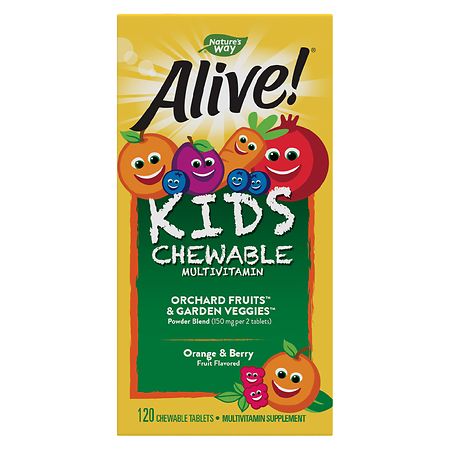

Nature s Way Alive! Children s Chewable Multi-Vitamin - Orange+ Berry 120 Chwbls
Analysis updated September 2026 · How Scout scores
At a glance
Summary
This children's multivitamin contains natural colorants like turmeric and vegetable juice, which are preferable to artificial dyes. However, the inclusion of fructose as a sweetener raises concerns due to its potential impact on blood sugar levels. Additionally, the use of natural flavors, which can be highly processed and lack transparency, slightly detracts from the overall formulation quality.
Key ingredients 10
Turmeric ColorGood
Turmeric color is derived from turmeric, a spice known for its anti-inflammatory and antioxidant properties. It is used as a natural coloring agent in food products. Its use as a colorant is generally considered safe and beneficial compared to artificial dyes.
Benefits
Provides natural color and may offer anti-inflammatory and antioxidant benefits.
Vegetable Juice ColorGood
Vegetable juice color is derived from natural vegetable sources and used as a coloring agent in food products. It is a healthier alternative to synthetic dyes and is generally considered safe. The use of natural colorants is preferred for their minimal processing and lack of artificial additives.
Benefits
Offers a natural alternative to artificial colors and may contain beneficial phytonutrients.
SorbitolNeutral
Sorbitol is a sugar alcohol used as a sweetener and humectant in food products. It is less caloric than sugar and does not cause a rapid spike in blood glucose levels. However, excessive consumption can lead to gastrointestinal discomfort.
Risks
High intake may cause digestive issues such as bloating and diarrhea.
Benefits
Provides a lower-calorie alternative to sugar with a reduced impact on blood sugar levels.
Magnesium StearateNeutral
Magnesium stearate is a common additive used as a flow agent in supplement manufacturing. It helps ensure consistent product quality and prevents ingredients from sticking to equipment. While generally recognized as safe, some consumers prefer to avoid it due to potential digestive concerns.
Benefits
Helps improve the manufacturing process and consistency of supplement products.
Citric AcidNeutral
Citric acid is a natural preservative and flavor enhancer commonly used in food products. It is generally recognized as safe and can help improve the taste and shelf life of products. However, some individuals may experience sensitivity or allergic reactions.
Risks
May cause irritation or allergic reactions in sensitive individuals.
Benefits
Acts as a preservative and flavor enhancer, extending shelf life and improving taste.
Malic AcidNeutral
Malic acid is a naturally occurring acid found in fruits and used as a flavor enhancer in food products. It contributes to the sour taste and is generally recognized as safe. While it enhances flavor, it does not provide significant nutritional benefits.
Benefits
Enhances flavor by providing a tart taste, commonly used in fruit-flavored products.
SilicaNeutral
Silica is used as an anti-caking agent in food products to prevent clumping. It is generally recognized as safe and does not contribute to the nutritional profile of the product. Its use is primarily functional, aiding in product stability.
Benefits
Helps maintain product consistency by preventing clumping and improving flow.
GelatinNeutral
Gelatin is a protein derived from animal collagen, used as a gelling agent in food products. It is valued for its functional properties but may not be suitable for vegetarians or vegans. While it provides some protein, its nutritional contribution is minimal in small amounts.
Risks
Not suitable for vegetarians or vegans due to its animal origin.
Benefits
Provides gelling properties and a source of collagen, though minimal in small quantities.
FructoseBad
Fructose is a simple sugar that can contribute to increased blood sugar levels and potential metabolic issues when consumed in excess. It is often used as a sweetener in processed foods, which can lead to overconsumption. While naturally occurring in fruits, isolated fructose lacks the fiber and nutrients that mitigate its effects.
Risks
Excessive consumption of fructose can lead to insulin resistance and increased risk of obesity and metabolic syndrome.
Natural FlavorsBad
Natural flavors are a catch-all term for flavoring agents derived from natural sources but can be highly processed. They often lack transparency regarding their specific composition and potential allergens. This lack of clarity can be concerning for consumers seeking to avoid certain additives.
Risks
Potential for undisclosed allergens and additives that may cause adverse reactions in sensitive individuals.
Processing
Processed Foods
Get the full breakdown in the Scout appTake Scout shopping
Scan any product to see lab results, healthy alternatives, and your personalized analysis.
Download on theApp Store GET IT ONGoogle Play