



At a glance
Summary
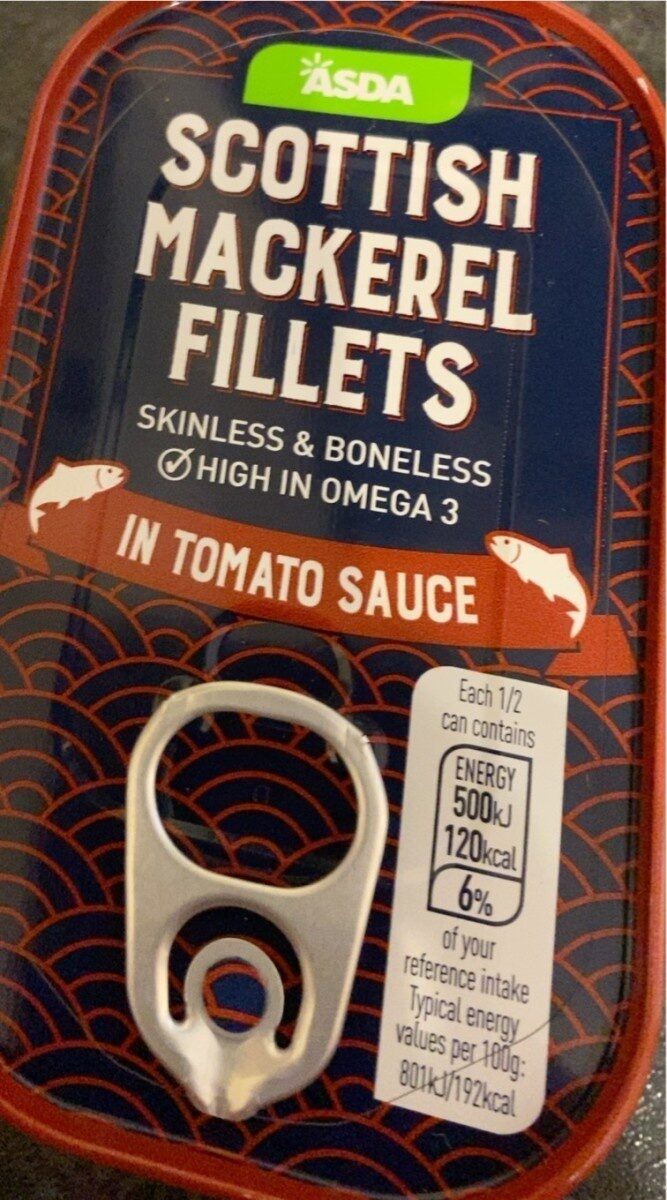
The Scottish mackerel fillets contain high-quality mackerel, which is a good source of protein and omega-3 fatty acids, beneficial for heart health. However, the product is processed and includes added sugar, which contributes empty calories and can lead to health issues if consumed excessively. The presence of sugar and the processing level limit the overall healthiness of the product.
Key ingredients 5
MackerelGood
Mackerel is a high-quality source of protein and omega-3 fatty acids, which are beneficial for heart health. It is a nutrient-dense fish that provides essential vitamins and minerals. The fish is typically wild-caught, offering a more natural nutrient profile compared to farmed fish.
Risks
Potential risks include mercury content, which can be a concern if consumed in large quantities.
Benefits
Rich in omega-3 fatty acids that support cardiovascular health and reduce inflammation. Provides a good source of protein and essential nutrients like vitamin D and selenium.
WaterNeutral
Water is used as a solvent and carrier in food products. It is essential for maintaining moisture and texture in canned foods. There are no significant health impacts associated with water in this context.
See more about Water →Tomato PureeNeutral
Tomato puree adds flavor and color to the product. It is a processed form of tomatoes, which can provide some vitamins and antioxidants. However, the processing may reduce some of the nutritional benefits compared to fresh tomatoes.
Benefits
Contains lycopene, an antioxidant that may support heart health and reduce cancer risk.
SaltNeutral
Salt is used for flavor enhancement and preservation in canned foods. It is a common ingredient that provides sodium, an essential mineral. However, excessive consumption can lead to health issues such as hypertension.
Risks
High sodium intake is associated with increased risk of high blood pressure and cardiovascular disease.
Benefits
Provides essential sodium needed for fluid balance and nerve function.
SugarBad
Refined sugar is added for sweetness but offers no nutritional benefits. Excessive consumption of sugar can lead to health issues such as obesity and diabetes. It is a processed ingredient that contributes empty calories.
Risks
High intake of refined sugar is linked to increased risk of obesity, type 2 diabetes, and dental cavities.
Processing
Processed Foods
Get the full breakdown in the Scout appTake Scout shopping
Scan any product to see lab results, healthy alternatives, and your personalized analysis.
Download on theApp Store GET IT ONGoogle Play