


At a glance
Summary
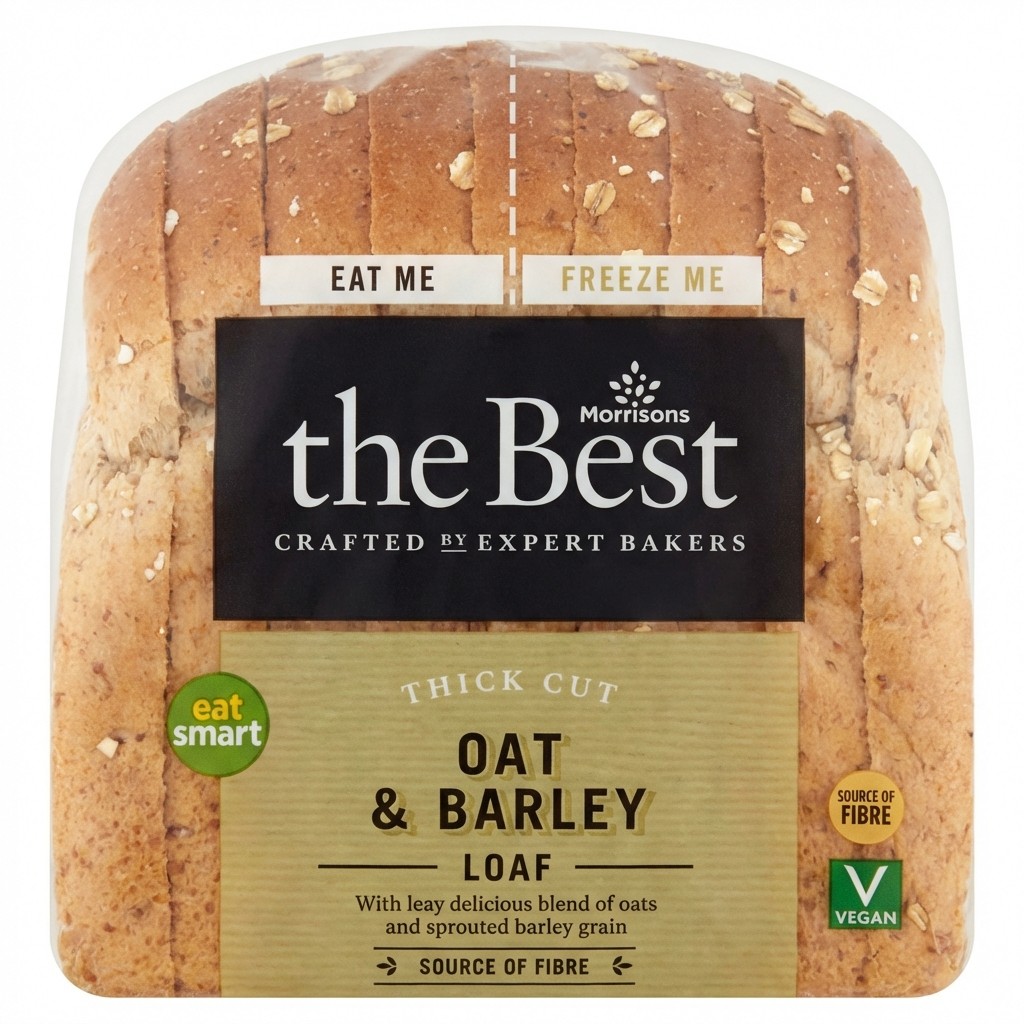
The Oat & Barley Loaf contains beneficial whole grains like oats and barley, which contribute to its nutritional value. However, the presence of synthetic additives such as calcium propionate and emulsifiers, along with the use of rapeseed oil, indicates a high level of processing. These factors, combined with the ultra-processed nature of the product, limit its overall healthiness despite the inclusion of some nutritious ingredients.
Key ingredients 15
OatsVery Good
Oats are a whole grain rich in fiber and beneficial nutrients. They can help lower cholesterol levels and improve heart health. Their inclusion in bread adds nutritional value and texture.
Benefits
Rich in beta-glucan fiber, which supports heart health and aids in digestion.
BarleyGood
Barley is a nutritious whole grain that provides fiber and essential nutrients. It supports digestive health and can help regulate blood sugar levels. Its inclusion enhances the nutritional profile of the bread.
Risks
Contains gluten, which may be problematic for those with celiac disease or gluten sensitivity.
Benefits
High in soluble fiber, which can aid in lowering cholesterol and improving heart health.
OatmealGood
Oatmeal is a whole grain ingredient that adds fiber and nutrients to the bread. It is known for its heart-healthy properties and ability to stabilize blood sugar levels. Its presence enhances the bread's nutritional content.
Benefits
Provides beta-glucan fiber, which is beneficial for heart health and digestion.
Wheat BranGood
Wheat bran is a high-fiber component of wheat that supports digestive health. It adds bulk to the diet and can aid in regular bowel movements. Its inclusion boosts the fiber content of the bread.
Risks
May cause digestive discomfort in some individuals if consumed in large amounts.
Benefits
Rich in dietary fiber, which promotes digestive health and regularity.
Ascorbic AcidGood
Vitamin C — beneficial even when serving as a preservative.
Benefits
Acts as an antioxidant and improves dough strength.
WaterNeutral
Water is a fundamental ingredient in bread making, hydrating the flour and activating yeast. It contributes to the dough's consistency and texture. It is a neutral ingredient with no direct health impacts.
Benefits
Essential for dough formation and yeast activation.
YeastNeutral
Yeast is a microorganism used in bread making to ferment sugars and produce carbon dioxide, causing the dough to rise. It is a natural leavening agent with no significant health impacts. It contributes to the bread's texture and flavor.
Benefits
Essential for leavening bread and developing its texture and flavor.
SaltNeutral
Salt is used in bread to enhance flavor and control yeast activity. It is a common ingredient in baking with no direct health benefits. Excessive consumption can lead to health issues like hypertension.
Risks
High intake may contribute to hypertension and cardiovascular issues.
Benefits
Enhances flavor and helps control yeast fermentation in bread.
Wheat GlutenNeutral
Wheat gluten is added to improve the elasticity and texture of bread. It helps the dough rise and maintain its shape. It is a protein component of wheat and is generally safe unless one has gluten sensitivity.
Risks
Can cause adverse reactions in individuals with gluten intolerance or celiac disease.
Benefits
Improves dough elasticity and bread texture.
Spirit VinegarNeutral
Spirit vinegar is used as a preservative and flavor enhancer in bread. It is a natural product derived from the fermentation of alcohol. It helps extend the shelf life of the bread.
Benefits
Acts as a natural preservative and flavor enhancer.
Wheat FlourBad
Refined grain flour stripped of bran and germ.
Risks
May cause blood sugar spikes and is a common allergen for those with gluten sensitivity.
Benefits
Provides essential nutrients when enriched, such as iron and B vitamins.
Calcium PropionateBad
Calcium propionate is a preservative used to prevent mold growth in bread. It is a synthetic additive that can cause adverse reactions in sensitive individuals. Its use is common in processed foods to extend shelf life.
Risks
May cause headaches or digestive issues in sensitive individuals.
Benefits
Effectively prevents mold growth, extending the product's shelf life.
Mono- and Di-Glycerides of Fatty AcidsBad
These emulsifiers are used to improve texture and extend shelf life in bread. They are synthetic additives that can contain trans fats, which are harmful to heart health. Their presence indicates a higher level of processing.
Risks
Potential to contain trans fats, which are linked to heart disease.
Benefits
Improves texture and shelf stability of baked goods.
Mono- and Di-Acetyl Tartaric Acid Esters of Mono- and Di-GlyceridesBad
This emulsifier is used to stabilize and improve the texture of bread. It is a synthetic additive that contributes to the ultra-processed nature of the product. Its use is common in industrial baking to maintain product consistency.
Risks
May contribute to digestive discomfort in some individuals.
Benefits
Enhances texture and stability of baked products.
Rapeseed OilVery Bad
Rapeseed oil, also known as canola oil, is a seed oil high in omega-6 fatty acids. It is often highly processed and can contribute to inflammation when consumed in excess. Its inclusion is a negative aspect due to potential health concerns.
Risks
High omega-6 content may promote inflammation when consumed in excess.
Processing
Ultra-Processed Foods
Get the full breakdown in the Scout appTake Scout shopping
Scan any product to see lab results, healthy alternatives, and your personalized analysis.
Download on theApp Store GET IT ONGoogle Play