

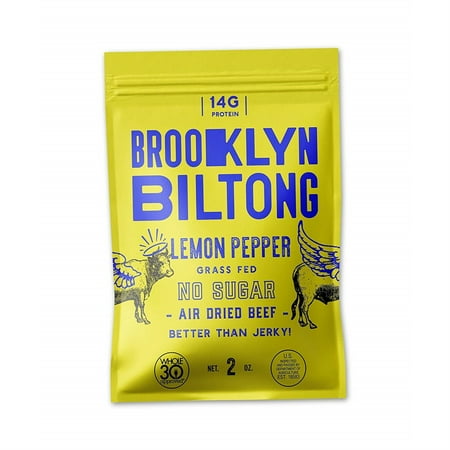


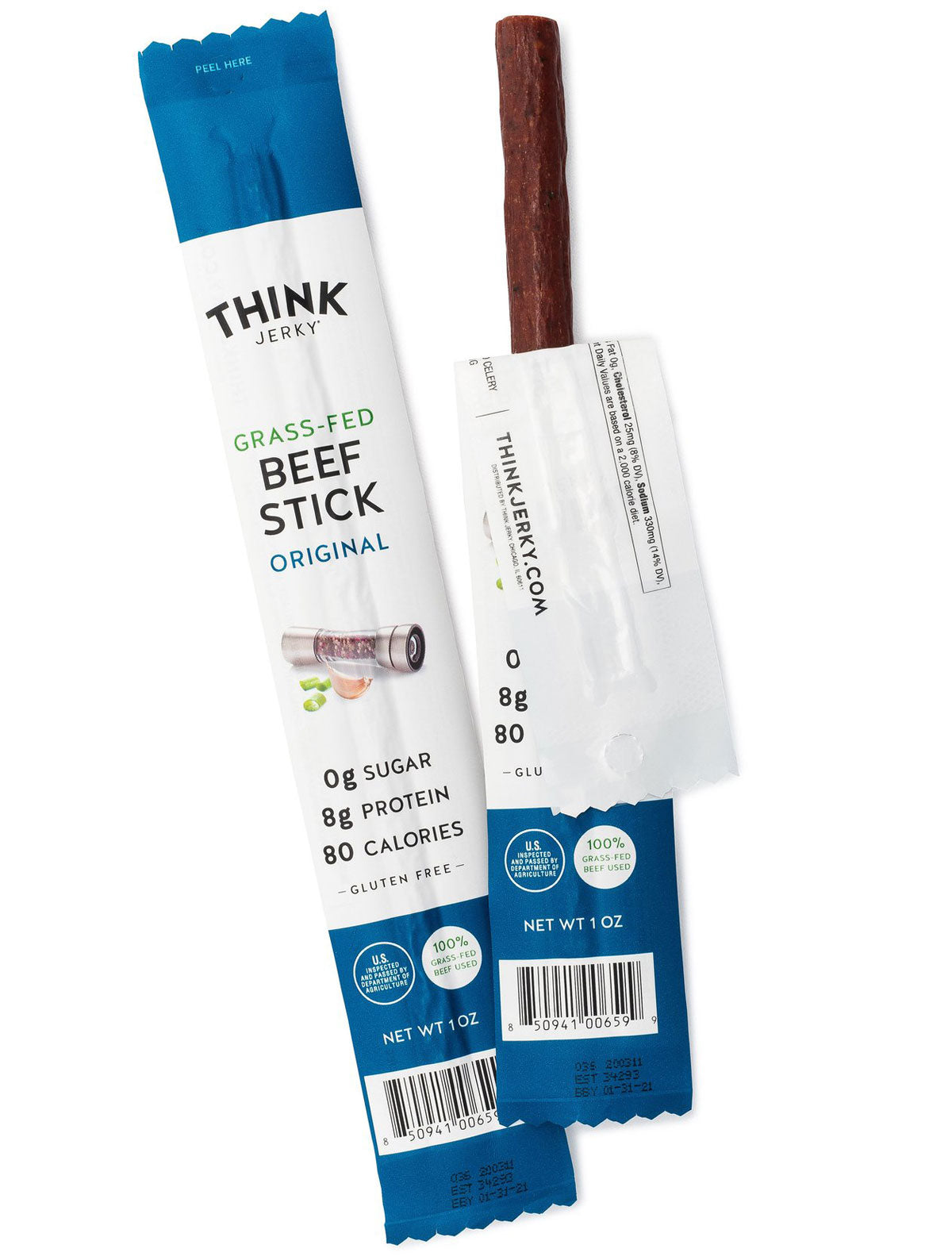
At a glance
Summary
This biltong product contains high-quality beef, which is a good source of protein and essential nutrients. However, the presence of refined sugar and vague flavoring agents detracts from its healthiness. Additionally, the use of potassium sorbate as a preservative indicates a moderate level of processing, which limits the overall score.
Key ingredients 16
BeefGood
Beef is a high-quality source of complete protein, providing essential amino acids necessary for muscle repair and growth. It is rich in vitamins and minerals such as iron, zinc, and B vitamins. Grass-fed beef would be preferable for higher omega-3 content and better fat profile.
Risks
Excessive consumption of red meat may be linked to increased risk of certain diseases. Ensure moderation and balance with other protein sources.
Benefits
Provides essential amino acids and is rich in iron and zinc, supporting muscle health and immune function.
Cider VinegarGood
Cider vinegar is known for its potential health benefits, including antimicrobial properties and aiding digestion. It is made through the fermentation of apple juice, which retains some beneficial compounds. It may help in maintaining healthy blood sugar levels.
Risks
Excessive consumption may lead to digestive discomfort or tooth enamel erosion. Use in moderation.
Benefits
May aid in digestion and help maintain healthy blood sugar levels.
PaprikaGood
Paprika is a spice rich in antioxidants, including vitamin C and carotenoids. It is made from ground peppers and adds flavor and color to foods. Its antioxidant properties may support immune health.
Benefits
Rich in antioxidants that may support immune health and provide anti-inflammatory benefits.
Dried Red Bell PepperGood
Dried red bell pepper is a source of vitamins A and C, providing antioxidant benefits. It is dehydrated to preserve its nutrients and flavor. It adds natural sweetness and color to the product.
Benefits
Provides vitamins A and C, supporting immune function and skin health.
ThymeGood
Thyme is an herb with antioxidant and antimicrobial properties. It is used for flavoring and may support respiratory health. Its essential oils contribute to its health benefits.
Benefits
Contains antioxidants and essential oils that may support respiratory health.
Dried ChilliGood
Dried chilli adds heat and flavor, and is rich in capsaicin, which may have metabolic benefits. It is dehydrated to preserve its spicy compounds. Capsaicin may support metabolism and provide anti-inflammatory effects.
Risks
May cause digestive discomfort in sensitive individuals.
Benefits
Rich in capsaicin, which may support metabolism and provide anti-inflammatory benefits.
SaltNeutral
Salt is essential for maintaining fluid balance and nerve function. However, excessive intake can lead to high blood pressure and cardiovascular issues. It is a common seasoning and preservative in processed foods.
Risks
High sodium intake is linked to increased risk of hypertension and cardiovascular diseases.
Benefits
Essential for fluid balance and nerve function, but should be consumed in moderation.
Onion ExtractNeutral
Onion extract is used for flavoring and may contain beneficial compounds like quercetin. It is typically processed to concentrate flavor without significant nutritional content. It adds depth to the product's taste profile.
Benefits
May contain beneficial antioxidants like quercetin, though in minimal amounts.
Dried OnionNeutral
Dried onion is used for flavoring and may contain beneficial compounds like quercetin. It is dehydrated to concentrate flavor without significant nutritional content. It enhances the savory profile of the product.
Benefits
May contain beneficial antioxidants like quercetin, though in minimal amounts.
Potato FibreNeutral
Potato fibre is used as a bulking agent and may aid in digestion. It is derived from potatoes and provides dietary fiber. It helps improve texture and moisture retention in processed foods.
Benefits
Provides dietary fiber that may aid in digestion and improve gut health.
Smoke FlavouringNeutral
Smoke flavouring is used to impart a smoky taste without traditional smoking methods. It is typically produced through the condensation of smoke and may contain polycyclic aromatic hydrocarbons. Its use is common in processed meats.
Risks
May contain trace amounts of polycyclic aromatic hydrocarbons, which are potential carcinogens.
Benefits
Provides a smoky flavor without the need for traditional smoking methods.
Vegetable OilNeutral
Vegetable oil is a generic term that can include various plant oils. It is used for cooking and as a fat source in processed foods. The health impact depends on the specific type of oil used.
Risks
Potential for high omega-6 content if seed oils are used, which may promote inflammation.
Benefits
Provides a source of dietary fat, though quality varies depending on the specific oil used.
SugarBad
Refined sugar is a source of empty calories and can contribute to weight gain and metabolic issues. It lacks nutritional benefits and can lead to spikes in blood sugar levels. Excessive intake is associated with increased risk of chronic diseases.
Risks
High consumption may lead to obesity, type 2 diabetes, and heart disease. It can also contribute to dental cavities.
Yeast ExtractBad
Concentrated glutamate source — MSG-adjacent flavor enhancer.
Risks
May contain naturally occurring glutamates, which some individuals are sensitive to.
Benefits
Rich in B vitamins and provides umami flavor to enhance taste.
FlavouringBad
Flavouring is a vague term that can include a variety of artificial or natural additives. Lack of transparency makes it difficult to assess health impacts. It may contain additives that some individuals are sensitive to.
Risks
Potential for containing artificial additives or allergens. Lack of transparency in ingredient composition.
Preservative (Potassium Sorbate)Bad
Potassium sorbate is a common preservative used to extend shelf life by inhibiting mold and yeast growth. It is synthetically produced and may cause allergic reactions in sensitive individuals. Its use is widespread in processed foods.
Risks
May cause allergic reactions or skin irritation in sensitive individuals.
Processing
Processed Foods
Get the full breakdown in the Scout appTake Scout shopping
Scan any product to see lab results, healthy alternatives, and your personalized analysis.
Download on theApp Store GET IT ONGoogle Play