


At a glance
Summary
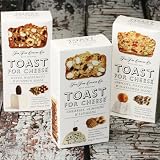
This product contains several beneficial ingredients such as dates, hazelnuts, and extra virgin olive oil, which contribute to its nutritional value. However, it is a processed food with added sugars and a leavening agent, which slightly detracts from its overall healthiness. The presence of natural sweeteners like honey and the absence of harmful additives help maintain a relatively good score despite its processing level.
Key ingredients 11
HazelnutsVery Good
Hazelnuts are a nutrient-dense nut rich in healthy fats, vitamins, and minerals. They provide monounsaturated fats that support heart health. Their antioxidant content can help protect against oxidative stress.
Risks
May cause allergic reactions in individuals with nut allergies.
Benefits
Rich in monounsaturated fats and antioxidants, supporting heart health and reducing oxidative stress.
Pumpkin seedsVery Good
Pumpkin seeds are a good source of protein, healthy fats, and essential minerals like magnesium and zinc. They support heart health and immune function. Their high antioxidant content can help reduce inflammation.
Benefits
Rich in protein, healthy fats, and essential minerals, supporting heart health and immune function.
Extra virgin olive oilVery Good
Extra virgin olive oil is a high-quality monounsaturated fat with anti-inflammatory properties. It contains antioxidants that support heart health. Cold-pressed extraction preserves beneficial compounds.
Benefits
Rich in monounsaturated fats that support heart health and provide anti-inflammatory properties. Contains antioxidants like vitamin E and polyphenols that may reduce oxidative stress.
ButtermilkGood
Buttermilk is a fermented dairy product that is rich in probiotics. It can aid in digestion and improve gut health. The fermentation process enhances its nutritional profile by increasing vitamin B12 content.
Risks
May cause allergic reactions in individuals with lactose intolerance or milk allergies.
Benefits
Contains probiotics that support digestive health and may boost the immune system.
DatesGood
Dates are a natural sweetener rich in fiber, vitamins, and minerals. They provide a healthier alternative to refined sugars. Their high antioxidant content can help reduce inflammation.
Risks
High in natural sugars, which may affect blood sugar levels if consumed in excess.
Benefits
Rich in dietary fiber and antioxidants, supporting digestive health and reducing inflammation.
HoneyGood
Honey is a natural sweetener with antioxidant and antimicrobial properties. It provides a healthier alternative to refined sugars. Its natural compounds can help soothe sore throats and support immune health.
Risks
High in natural sugars, which may affect blood sugar levels if consumed in excess.
Benefits
Contains antioxidants and antimicrobial properties, supporting immune health and providing a natural sweetening option.
Sea saltGood
Unrefined sea salt — a minimally processed, natural source of sodium and essential trace minerals, and a legitimate whole-food seasoning. Treated as a positive ingredient.
Risks
Excessive sodium intake can lead to high blood pressure and other cardiovascular issues.
Benefits
Contains trace minerals and enhances flavor in foods.
Sodium bicarbonateNeutral
Sodium bicarbonate is a common leavening agent used in baking to help dough rise. It is generally recognized as safe when used in appropriate amounts. It does not contribute any nutritional value to the product.
Risks
Excessive consumption may lead to an imbalance in body pH levels.
Whole milk powderNeutral
Whole milk powder is a dehydrated form of milk that retains most of its nutrients. It provides protein, calcium, and vitamins. However, it is more processed than fresh milk.
Risks
May cause allergic reactions in individuals with lactose intolerance or milk allergies.
Benefits
Provides protein, calcium, and vitamins, supporting bone health and muscle function.
Wheat flourBad
Refined grain flour stripped of bran and germ.
Risks
May cause allergic reactions in individuals with gluten intolerance or celiac disease.
Benefits
Provides energy through carbohydrates and some protein content.
Brown sugarBad
Processed additive flagged under Scout's ingredient doctrine.
Risks
High sugar content may contribute to weight gain and affect blood sugar levels if consumed in excess.
Benefits
Provides a distinct flavor and sweetness to foods, but offers no significant nutritional benefits.
Processing
Processed Foods
Get the full breakdown in the Scout appTake Scout shopping
Scan any product to see lab results, healthy alternatives, and your personalized analysis.
Download on theApp Store GET IT ONGoogle Play