


At a glance
Summary
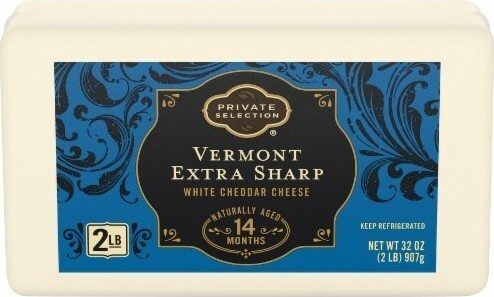
This cheddar cheese product is made with a relatively clean ingredient list, including milk, cream, and bacterial cultures, which are essential for traditional cheese making. The presence of beneficial ingredients like calcium and the absence of harmful additives contribute positively to its score. However, as a processed food, its score is capped, reflecting its level of processing compared to minimally processed cheeses.
Key ingredients 10
CalciumGood
Calcium is a vital mineral for bone health and plays a role in muscle function and nerve signaling. It is a key component of dairy products like cheese. Adequate calcium intake is crucial for preventing osteoporosis.
Risks
Excessive calcium intake can lead to kidney stones and impaired absorption of other minerals.
Benefits
Essential for strong bones and teeth, and supports cardiovascular and muscular functions.
MilkGood
Milk is a primary source of high-quality protein and essential nutrients like calcium and vitamin D. It is a fundamental ingredient in cheese production. The quality of milk can vary based on the diet and treatment of the cows.
Risks
Lactose intolerance can cause digestive issues in some individuals.
Benefits
Provides essential nutrients and high-quality protein beneficial for overall health.
CreamGood
Cream adds richness and flavor to cheese, contributing to its creamy texture. It is a source of saturated fats and fat-soluble vitamins. The quality of cream can be influenced by the cows' diet and farming practices.
Risks
High in saturated fats, which should be consumed in moderation to avoid cardiovascular issues.
Benefits
Enhances flavor and texture, and provides fat-soluble vitamins like A and D.
Bacterial CultureGood
Bacterial cultures are essential for the fermentation process in cheese making, contributing to flavor and texture development. They help in the breakdown of lactose and enhance the nutritional profile. The specific strains used can vary, affecting the final product's characteristics.
Benefits
Promotes fermentation, enhancing flavor and potentially providing probiotic benefits.
RennetGood
Rennet is an enzyme used to coagulate milk, forming curds and whey in cheese production. It is essential for traditional cheese making. The source of rennet can be animal-based or microbial, affecting dietary preferences.
Benefits
Crucial for cheese production, aiding in curd formation and texture.
Microbial EnzymeGood
Microbial enzymes are used as an alternative to animal rennet in cheese making, suitable for vegetarian products. They help in milk coagulation and curd formation. The use of microbial enzymes supports diverse dietary needs.
Benefits
Facilitates cheese production and is suitable for vegetarian diets.
PotassiumNeutral
Potassium is an essential mineral that helps maintain fluid balance and supports nerve function. It is naturally present in many foods and is important for heart health. However, in this context, it is not a significant contributor to the product's nutritional profile.
Risks
Excessive potassium intake can lead to hyperkalemia, especially in individuals with kidney issues.
Benefits
Supports heart health and helps maintain normal blood pressure levels.
Ultrafiltrated Skim MilkNeutral
Ultrafiltrated skim milk is processed to remove some water and lactose, concentrating the protein content. It is used to enhance the nutritional profile of dairy products. The ultrafiltration process can affect the natural balance of nutrients.
Risks
May not be suitable for individuals with lactose intolerance, despite reduced lactose content.
Benefits
Higher protein content can be beneficial for muscle maintenance and repair.
SaltNeutral
Salt is used in cheese making for flavor and as a preservative. It helps control the growth of bacteria during fermentation. While necessary in cheese production, excessive salt intake can be a health concern.
Risks
High sodium intake can lead to hypertension and cardiovascular issues.
Benefits
Essential for flavor and preservation in cheese making.
Calcium ChlorideNeutral
Calcium chloride is used in cheese making to improve curd formation and firmness. It is a common additive in processed cheese production. While it aids in cheese texture, it does not contribute significant nutritional value.
Benefits
Improves curd formation and texture in cheese making.
Processing
Processed Foods
Get the full breakdown in the Scout appTake Scout shopping
Scan any product to see lab results, healthy alternatives, and your personalized analysis.
Download on theApp Store GET IT ONGoogle Play