


At a glance
Summary
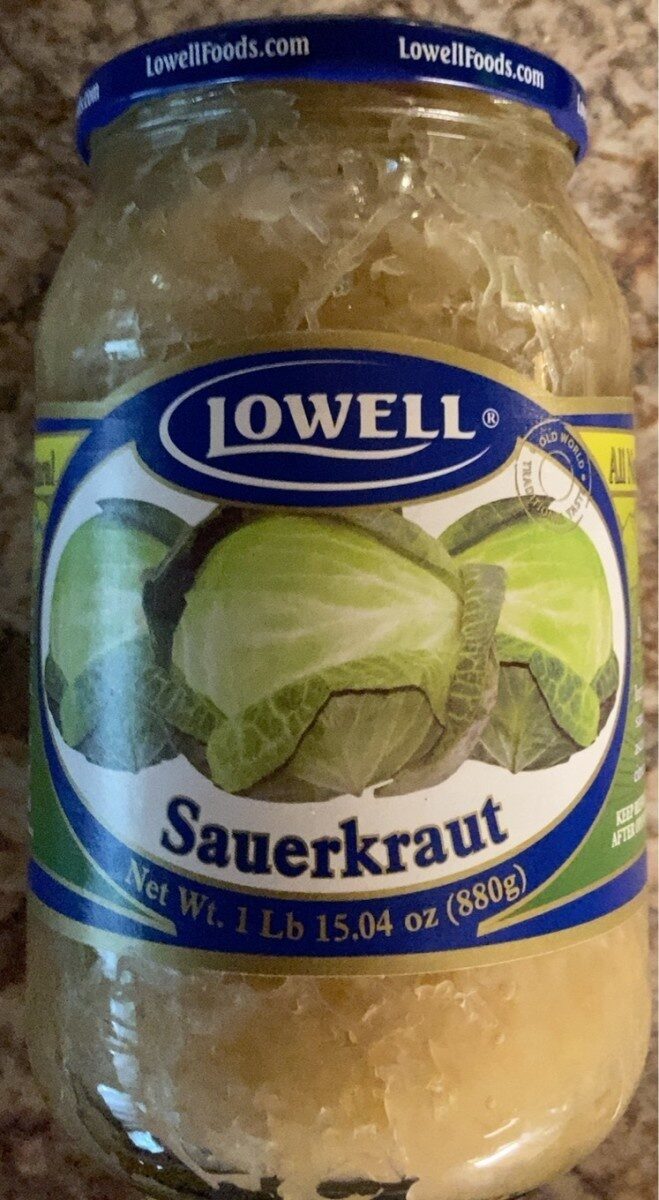
This sauerkraut is a processed food with a simple ingredient list, primarily consisting of sauerkraut and salt, which are beneficial for gut health due to fermentation. The presence of ascorbic and citric acids as additives is minimal and not harmful, but the processing level limits the score. Despite being processed, the clean label and health benefits of sauerkraut contribute positively to its rating.
Key ingredients 4
SauerkrautGood
Sauerkraut is a fermented food that provides probiotics beneficial for gut health. The fermentation process enhances the bioavailability of nutrients and supports digestive health. It is a traditional food with a long history of consumption.
Benefits
Rich in probiotics that support gut health and digestion. Contains vitamins and minerals that are more bioavailable due to fermentation.
Ascorbic AcidGood
Vitamin C — beneficial even when serving as a preservative.
Benefits
Acts as an antioxidant and helps preserve the color and freshness of the product.
SaltNeutral
Salt is used as a preservative and flavor enhancer in sauerkraut. It is a necessary component for the fermentation process. However, excessive consumption of salt can lead to health issues such as hypertension.
Risks
High sodium intake can contribute to hypertension and cardiovascular issues if consumed in excess.
Benefits
Essential for the fermentation process and enhances flavor. Provides sodium, an essential electrolyte.
Citric AcidNeutral
Citric acid is used as a preservative and flavor enhancer in many processed foods. It is naturally found in citrus fruits and is generally recognized as safe. Its role in sauerkraut is primarily to maintain acidity and freshness.
Benefits
Helps maintain acidity and freshness, enhancing the shelf life of the product.
Processing
Processed Foods
Get the full breakdown in the Scout appTake Scout shopping
Scan any product to see lab results, healthy alternatives, and your personalized analysis.
Download on theApp Store GET IT ONGoogle Play