


At a glance
Summary
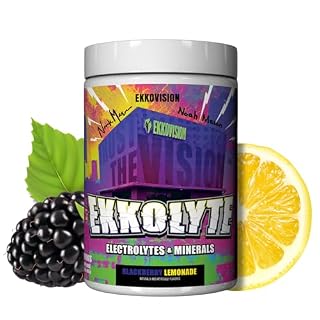
This electrolyte product contains beneficial ingredients like magnesium citrate and potassium citrate, which are well-absorbed and support muscle and cardiovascular health. However, the presence of multiple natural flavors, which can be highly processed and lack transparency, slightly detracts from its overall formulation quality. The product avoids artificial sweeteners and dyes, maintaining a relatively clean label with a moderate level of processing.
Key ingredients 16
Prebiotic Soluble Vegetable FibreGood
Prebiotic fibers support gut health by promoting the growth of beneficial bacteria. They are derived from natural sources and can improve digestive health. Additionally, they may enhance mineral absorption.
Risks
Excessive intake may cause digestive discomfort in some individuals.
Benefits
Supports gut health and may improve mineral absorption.
Magnesium CitrateGood
Magnesium citrate is a highly bioavailable form of magnesium, essential for muscle and nerve function. It is well-absorbed and supports electrolyte balance. Additionally, it can aid in preventing muscle cramps.
Risks
High doses may cause diarrhea or gastrointestinal discomfort.
Benefits
Supports muscle and nerve function and helps maintain electrolyte balance.
Potassium CitrateGood
Potassium citrate is an effective source of potassium, crucial for maintaining fluid balance and proper muscle function. It is well-absorbed and can help prevent kidney stones. Additionally, it supports cardiovascular health.
Risks
Excessive intake can lead to hyperkalemia, especially in individuals with kidney issues.
Benefits
Helps maintain fluid balance and supports cardiovascular health.
Ascorbic AcidGood
Vitamin C — beneficial even when serving as a preservative.
Risks
High doses may cause gastrointestinal discomfort.
Benefits
Supports immune function and acts as an antioxidant.
Citric AcidNeutral
Citric acid is used as a natural preservative and to add a sour taste. It is generally recognized as safe and is commonly found in citrus fruits. However, excessive consumption may lead to dental erosion.
Risks
Excessive consumption may lead to dental erosion.
TricalciumNeutral
Tricalcium is a form of calcium used to fortify foods and supplements. It is important for bone health but may not be as bioavailable as other forms. It is generally safe when consumed in recommended amounts.
Risks
Excessive intake may lead to kidney stones or interfere with the absorption of other minerals.
Benefits
Supports bone health when consumed in adequate amounts.
Red Beet PowderNeutral
Red beet powder is used for natural coloring and may provide some antioxidants. It is derived from beets and is generally considered safe. However, its nutritional impact in small amounts is minimal.
Benefits
May provide antioxidants and natural color.
Concentrated Beet RootNeutral
Concentrated beet root is used for natural coloring and may provide nitrates that support blood flow. It is derived from beets and is generally considered safe. However, its nutritional impact in small amounts is minimal.
Benefits
May support blood flow and provide natural color.
Tricalcium PhosphateNeutral
Tricalcium phosphate is used as a calcium supplement and anti-caking agent. It is important for bone health but may not be as bioavailable as other forms. It is generally safe when consumed in recommended amounts.
Risks
Excessive intake may lead to kidney stones or interfere with the absorption of other minerals.
Benefits
Supports bone health when consumed in adequate amounts.
Stevia ExtractNeutral
Stevia extract is a natural, zero-calorie sweetener derived from the stevia plant. It is considered safe and does not significantly impact blood sugar levels. However, some people may experience a bitter aftertaste.
Benefits
Provides sweetness without calories or impacting blood sugar levels.
Resistant MaltodextrinNeutral
Resistant maltodextrin is a soluble fiber that can aid in digestion and improve gut health. It is derived from starch and is generally considered safe. However, it may cause digestive discomfort in some individuals.
Risks
May cause digestive discomfort in some individuals.
Benefits
Can aid in digestion and improve gut health.
Concentrated CarrotNeutral
Concentrated carrot is used for natural coloring and may provide some beta-carotene. It is derived from carrots and is generally considered safe. However, its nutritional impact in small amounts is minimal.
Benefits
May provide beta-carotene and natural color.
Natural Raspberry FlavourBad
Natural flavors are often used to enhance taste but can be highly processed and lack transparency. They may contain a variety of compounds not disclosed on labels. This lack of transparency can be concerning for consumers seeking clean labels.
Risks
Potential for undisclosed additives and processing methods.
Raspberry FlavourBad
Similar to natural raspberry flavor, this ingredient is used to enhance taste but can be highly processed. It may contain various compounds not disclosed on labels. This lack of transparency can be concerning for consumers seeking clean labels.
Risks
Potential for undisclosed additives and processing methods.
Natural Pink Lemon FlavourBad
Natural flavors are often used to enhance taste but can be highly processed and lack transparency. They may contain a variety of compounds not disclosed on labels. This lack of transparency can be concerning for consumers seeking clean labels.
Risks
Potential for undisclosed additives and processing methods.
Lemon FlavourBad
Natural flavors are often used to enhance taste but can be highly processed and lack transparency. They may contain a variety of compounds not disclosed on labels. This lack of transparency can be concerning for consumers seeking clean labels.
Risks
Potential for undisclosed additives and processing methods.
Processing
Processed Culinary Ingredients
Get the full breakdown in the Scout appTake Scout shopping
Scan any product to see lab results, healthy alternatives, and your personalized analysis.
Download on theApp Store GET IT ONGoogle Play