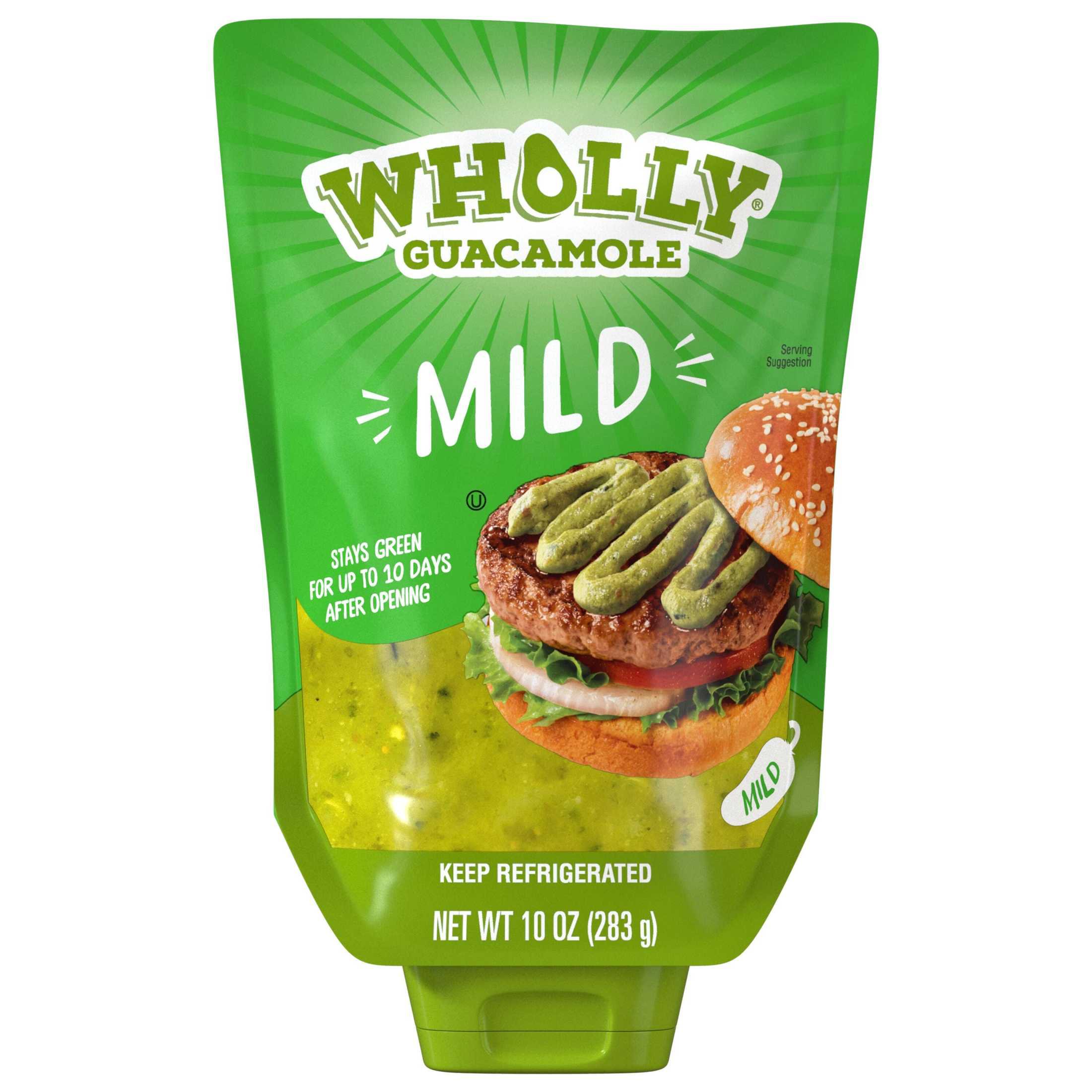
At a glance
Summary
This product contains a variety of natural and minimally processed ingredients such as coconut oil, halal chicken, and various spices, which contribute positively to its nutritional profile. However, it is still a processed food, which limits its score potential. The use of wheat flour as a primary ingredient and the presence of pea protein indicate a moderate level of processing, which affects the overall health rating.
Key ingredients 14
Coconut oilGood
Coconut oil is a source of medium-chain triglycerides (MCTs) which are metabolized differently than other fats. It is less processed compared to seed oils and provides a unique flavor. It is often used in cooking for its stability at high temperatures.
Risks
High in saturated fats, which may affect cholesterol levels if consumed in excess.
Benefits
Contains MCTs that may support energy metabolism and provide a quick source of energy.
Cooked halal chickenGood
Cooked halal chicken is a high-quality protein source that is prepared according to specific dietary laws. It provides essential amino acids necessary for muscle repair and growth. It is a minimally processed ingredient compared to plant-based meat alternatives.
Benefits
Rich in high-quality protein and essential amino acids.
OnionGood
Onion is a natural ingredient that adds flavor and nutrients to dishes. It contains antioxidants and compounds that may support heart health. It is a whole food ingredient with minimal processing.
Risks
May cause digestive discomfort in some individuals.
Benefits
Contains antioxidants and compounds that may support heart health.
Green chiliGood
Green chili adds spice and flavor to dishes and contains capsaicin, which may have metabolism-boosting properties. It is a whole food ingredient with minimal processing. It also provides vitamins such as vitamin C.
Risks
May cause irritation or digestive discomfort in sensitive individuals.
Benefits
Contains capsaicin, which may boost metabolism and provide vitamins.
Red chili powderGood
Red chili powder is used to add heat and flavor to dishes. It contains capsaicin, which may have anti-inflammatory and metabolism-boosting effects. It is a natural spice with minimal processing.
Risks
May cause irritation or digestive discomfort in sensitive individuals.
Benefits
Contains capsaicin, which may have anti-inflammatory and metabolism-boosting effects.
Whole cuminGood
Whole cumin is a spice that adds flavor and aroma to dishes. It contains antioxidants and may aid digestion. It is a natural ingredient with minimal processing.
Benefits
Contains antioxidants and may aid digestion.
Crushed chiliGood
Crushed chili adds heat and flavor to dishes and contains capsaicin, which may have health benefits. It is a natural spice with minimal processing. It also provides vitamins such as vitamin C.
Risks
May cause irritation or digestive discomfort in sensitive individuals.
Benefits
Contains capsaicin, which may have health benefits and provides vitamins.
Whole corianderGood
Whole coriander is a spice that adds flavor and aroma to dishes. It contains antioxidants and may support digestion. It is a natural ingredient with minimal processing.
Benefits
Contains antioxidants and may support digestion.
Garlic powderGood
Garlic powder is used to add flavor and contains compounds that may support heart health. It is a natural ingredient with minimal processing. It also provides antioxidants.
Risks
May cause digestive discomfort in some individuals.
Benefits
Contains compounds that may support heart health and provides antioxidants.
SpicesGood
Whole-food seasonings, antioxidant-bearing.
Benefits
May provide various health benefits depending on the specific spices used.
WaterNeutral
Water is a basic ingredient used to hydrate and bind other ingredients. It is essential for life and has no calories or nutritional content. It is used in cooking to create doughs and batters.
Benefits
Essential for hydration and helps in the preparation of dough.
SaltNeutral
Salt is used to enhance flavor and preserve food. It is a common seasoning in many dishes. Excessive consumption can lead to health issues such as high blood pressure.
Risks
Excessive intake may lead to hypertension and cardiovascular issues.
Benefits
Enhances flavor and is essential for maintaining fluid balance in the body.
Pea proteinNeutral
Pea protein is a plant-based protein source that is often used in vegetarian and vegan products. It is less processed than soy protein isolates. It provides a good amino acid profile but may not be as complete as animal-based proteins.
Risks
May cause digestive discomfort in some individuals.
Benefits
Provides a plant-based protein source with a good amino acid profile.
Wheat flourBad
Refined grain flour stripped of bran and germ.
Risks
May cause allergic reactions in individuals with gluten intolerance or celiac disease.
Benefits
Provides energy through carbohydrates and contains some protein.
Processing
Processed Foods
Get the full breakdown in the Scout appTake Scout shopping
Scan any product to see lab results, healthy alternatives, and your personalized analysis.