
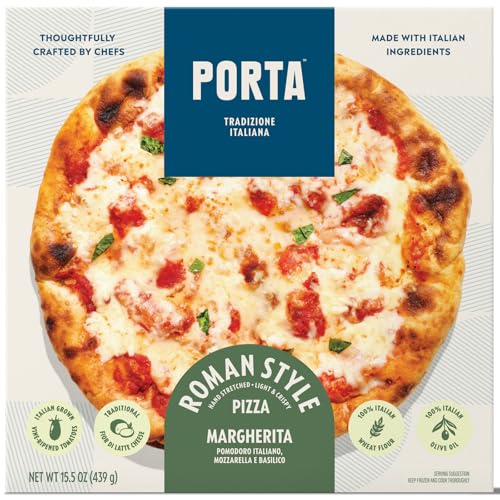



Margherita Pizza
Summary
This Margherita Pizza contains beneficial ingredients like tomatoes, olive oil, and cheeses that provide essential nutrients. However, it is classified as ultra-processed due to the presence of additives and emulsifiers like sunflower lecithin, which detracts from its overall healthiness. The high processing level and the use of enriched wheat flour further limit its nutritional quality despite some positive components.
At a glance
Key ingredients 14
Enriched wheat flourNeutral
Enriched wheat flour is a refined grain product that has been fortified with vitamins and minerals. It lacks the fiber and nutrients found in whole grains. The enrichment process adds back some nutrients lost during processing.
Risks
May contribute to blood sugar spikes due to its high glycemic index.
Benefits
Provides essential vitamins and minerals such as iron and B vitamins due to fortification.
WaterNeutral
Water is a fundamental ingredient used in food preparation and processing. It acts as a solvent and helps in mixing ingredients. It is essential for hydration and has no caloric content.
Benefits
Essential for hydration and supports various bodily functions.
Part-skim mozzarella cheeseGood
Part-skim mozzarella cheese is a dairy product that provides protein and calcium. It is lower in fat compared to whole milk cheese. The cheese culture and enzymes used in its production enhance its nutritional profile.
Risks
May cause issues for individuals with lactose intolerance or dairy allergies.
Benefits
Good source of protein and calcium, supporting bone health and muscle function.
TomatoesVery Good
Tomatoes are a rich source of vitamins, minerals, and antioxidants like lycopene. They are minimally processed and retain most of their nutritional value. The presence of citric acid helps preserve their freshness.
Benefits
Rich in antioxidants such as lycopene, which may reduce the risk of chronic diseases.
Fior di latte cheeseGood
Fior di latte cheese is a fresh cheese made from pasteurized milk, offering a creamy texture and mild flavor. It is a good source of protein and calcium. The use of microbial enzymes and bacterial culture enhances its digestibility.
Risks
May not be suitable for those with lactose intolerance or dairy allergies.
Benefits
Provides high-quality protein and calcium, beneficial for bone health.
Durum wheat semolinaNeutral
Durum wheat semolina is a coarse flour made from durum wheat, commonly used in pasta and bread. It is high in protein and gluten, contributing to the texture of baked goods. It is less refined than regular wheat flour.
Risks
Contains gluten, which may cause issues for individuals with celiac disease or gluten sensitivity.
Benefits
Higher protein content compared to regular wheat flour, supporting muscle maintenance.
Olive oilVery Good
Olive oil is a healthy fat rich in monounsaturated fatty acids and antioxidants. It supports heart health and has anti-inflammatory properties. Cold-pressed extraction preserves its beneficial compounds.
Benefits
Supports heart health and provides anti-inflammatory benefits due to its high monounsaturated fat content.
SaltNeutral
Salt is used to enhance flavor and preserve food. It is essential for maintaining fluid balance and nerve function. Excessive consumption can lead to health issues.
Risks
High intake may contribute to hypertension and cardiovascular diseases.
Benefits
Essential for maintaining electrolyte balance and proper muscle function.
BasilGood
Basil is a fresh herb that adds flavor and aroma to dishes. It contains essential oils and antioxidants that may have health benefits. Its use in cooking is minimal and primarily for flavor enhancement.
Benefits
Contains antioxidants and essential oils that may support health and enhance flavor.
Rice flourNeutral
Rice flour is a gluten-free flour alternative used in various recipes. It is made from finely milled rice and is often used to improve texture. It lacks the fiber and nutrients found in whole grain flours.
Risks
May contribute to blood sugar spikes due to its high glycemic index.
Benefits
Provides a gluten-free alternative for those with celiac disease or gluten sensitivity.
Sunflower lecithinBad
Sunflower lecithin is an emulsifier derived from sunflower seeds. It is used to improve texture and consistency in processed foods. The extraction process may involve chemical solvents.
Risks
May cause digestive issues in sensitive individuals and is a processed additive.
Benefits
Helps improve texture and consistency in food products.
Barley malt extractNeutral
Barley malt extract is a sweetener derived from barley grains. It is used to enhance flavor and color in baked goods. It contains some vitamins and minerals but is primarily a source of sugar.
Risks
Contains gluten, which may cause issues for individuals with celiac disease or gluten sensitivity.
Benefits
Provides a natural sweetening option with some nutritional content.
Nonfat dry milkNeutral
Nonfat dry milk is a dehydrated form of milk that retains most of its nutrients. It is used to add creaminess and nutritional value to foods. It is a convenient source of protein and calcium.
Risks
May not be suitable for those with lactose intolerance or dairy allergies.
Benefits
Provides protein and calcium, supporting bone health and muscle function.
YeastNeutral
Yeast is a microorganism used in baking to leaven dough. It ferments sugars, producing carbon dioxide and alcohol, which helps dough rise. It is a natural ingredient with no significant health concerns.
Benefits
Essential for leavening bread and contributes to the development of flavor and texture.
Processing
Ultra-Processed Foods
Get the full breakdown in the Scout app
Scan any product to see lab results, healthy alternatives, and your personalized analysis.
Download on theApp Store