


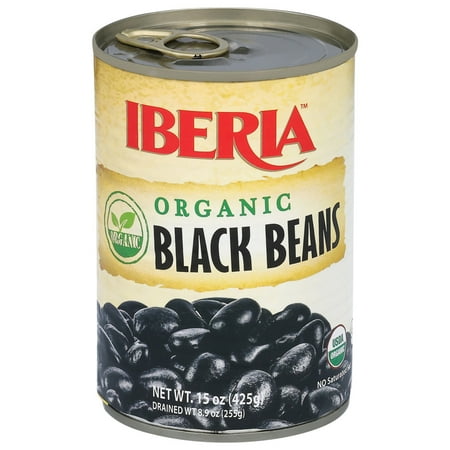
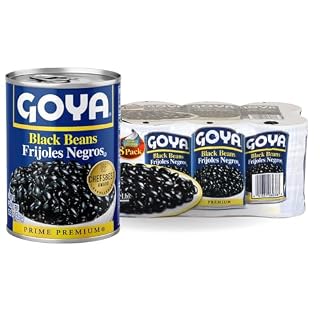
Clean beans dill pickle
Analysis updated September 2026 · How Scout scores
At a glance
Summary
This product contains broad beans, which are a nutritious source of protein and fiber, contributing positively to its health profile. However, the presence of palm oil, a highly processed oil with environmental and health concerns, and added sugar, which provides empty calories, detracts from its overall healthiness. The product is moderately processed, which further limits its score despite the inclusion of beneficial ingredients.
Key ingredients 9
Broad beansGood
Broad beans are a nutritious legume rich in protein and fiber. They provide essential vitamins and minerals, supporting overall health. Their natural form and minimal processing make them a beneficial ingredient.
Benefits
Rich in protein and fiber, supporting digestive health and muscle maintenance. Provides essential nutrients like folate and iron.
Garlic powderGood
Concentrated whole-food seasoning.
Benefits
Contains compounds that may support heart health and immune function.
Corn starchNeutral
Corn starch is a common thickening agent used in food products. It is derived from corn and is typically used in small amounts. While it provides no significant nutritional benefits, it is generally considered safe.
See more about Corn starch →Modified corn starchNeutral
Modified corn starch is used to improve texture and stability in processed foods. It undergoes chemical or physical modifications to enhance its properties. While it is safe for consumption, it offers no nutritional benefits.
See more about Modified corn starch →SaltNeutral
Salt is a common seasoning used to enhance flavor. It is essential for maintaining fluid balance and nerve function. However, excessive intake can lead to health issues such as hypertension.
Risks
High sodium intake can contribute to hypertension and cardiovascular disease.
Benefits
Essential for maintaining fluid balance and nerve function.
Citric acidNeutral
Citric acid is a natural preservative and flavor enhancer found in citrus fruits. It is commonly used in food products to add acidity and preserve freshness. It is generally recognized as safe for consumption.
Benefits
Acts as a natural preservative and can enhance flavor.
Malic acidNeutral
Malic acid is a naturally occurring acid found in fruits, used to enhance flavor and acidity. It is commonly used in food products and is considered safe. It provides no significant nutritional benefits.
Benefits
Enhances flavor and acidity in food products.
Palm oilBad
Palm oil is a highly processed oil with a high saturated fat content. Its production is associated with environmental concerns, including deforestation. It is considered unhealthy due to its impact on cholesterol levels.
Risks
High saturated fat content may increase cholesterol levels and risk of heart disease.
SugarBad
Sugar is a refined carbohydrate that can contribute to weight gain and metabolic issues. Excessive consumption is linked to various health problems, including diabetes. It provides empty calories with no essential nutrients.
Risks
Excessive intake can lead to obesity, diabetes, and other metabolic disorders.
Processing
Processed Foods
Get the full breakdown in the Scout appTake Scout shopping
Scan any product to see lab results, healthy alternatives, and your personalized analysis.
Download on theApp Store GET IT ONGoogle Play