


At a glance
Summary
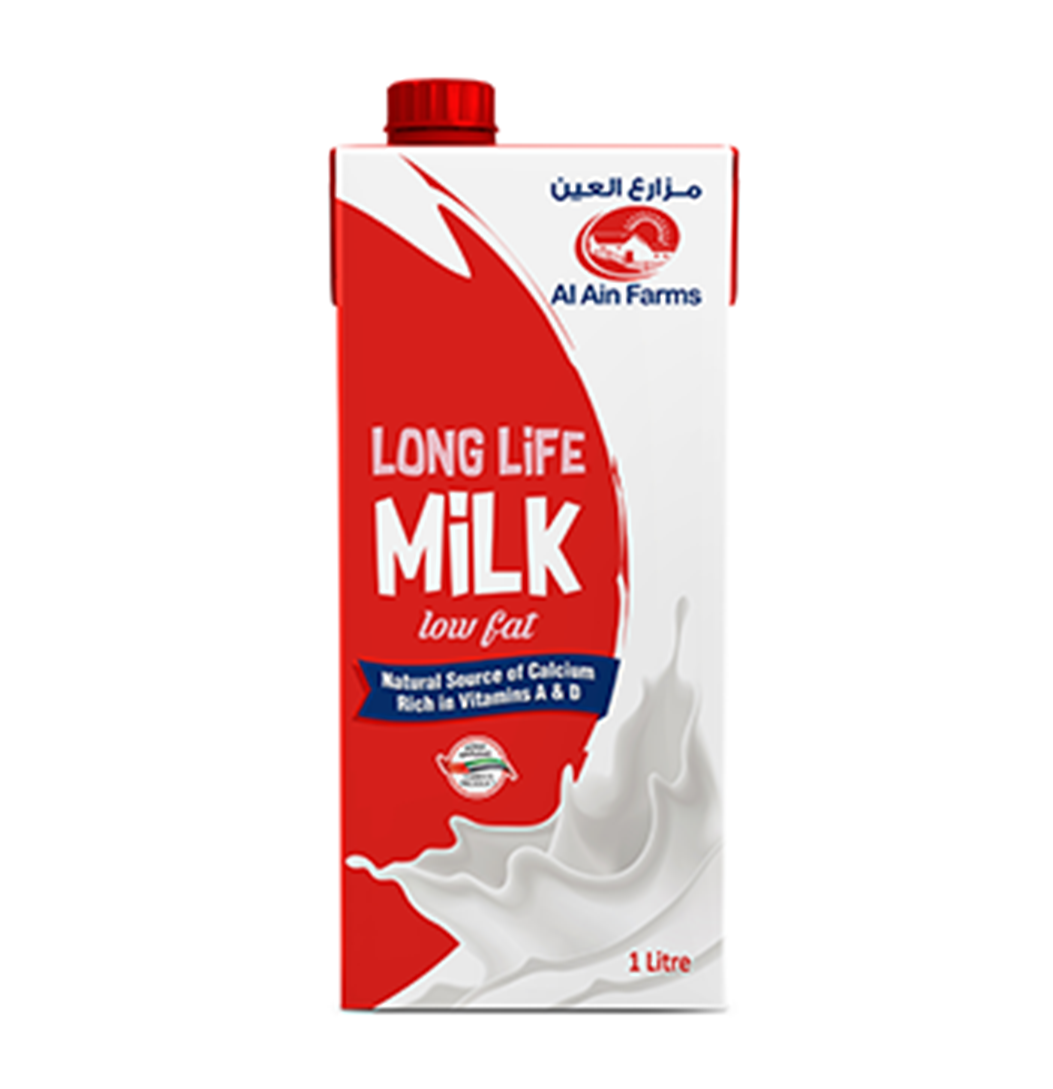
This low-fat milk product contains beneficial ingredients like milk solids and milk fat, which provide essential nutrients and enhance flavor. However, the presence of stabilizers and emulsifiers indicates a higher level of processing, which can affect its overall healthiness. While these additives are common in processed foods, they may cause digestive issues for some individuals, and their inclusion limits the product's score.
Key ingredients 8
Milk SolidsGood
Milk solids provide essential nutrients like proteins and minerals, supporting overall health.
See more about Milk Solids →Milk FatGood
Milk fat contributes to flavor and energy, and is a natural part of dairy nutrition.
See more about Milk Fat →Vitamin AGood
Vitamin A is added to support vision and immune health, enhancing the nutritional profile.
See more about Vitamin A →Vitamin D3Good
Vitamin D3 helps with calcium absorption, promoting healthy bones and immune function.
See more about Vitamin D3 →WaterNeutral
Water is a natural base for milk and does not affect its nutritional quality.
See more about Water →E407Bad
Part of Stabilizers. Stabilizers are added to improve texture but are synthetic additives that some consumers prefer to avoid.
E412Bad
Part of Stabilizers. Stabilizers are added to improve texture but are synthetic additives that some consumers prefer to avoid.
See more about E412 →Vegetable Emulsifier (E471)Bad
Emulsifiers help blend ingredients but are processed additives that may be less desirable for clean eating.
Processing
Processed Foods
Get the full breakdown in the Scout appTake Scout shopping
Scan any product to see lab results, healthy alternatives, and your personalized analysis.
Download on theApp Store GET IT ONGoogle Play