


At a glance
Summary
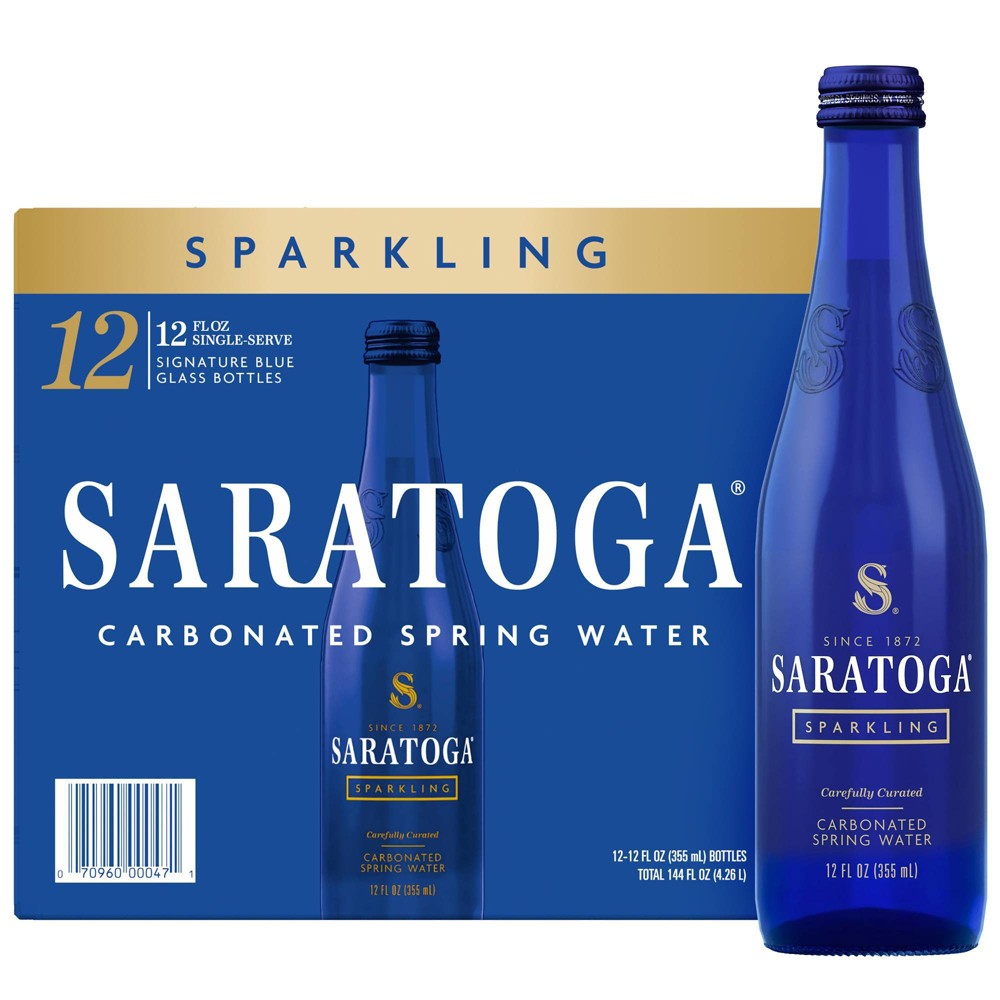
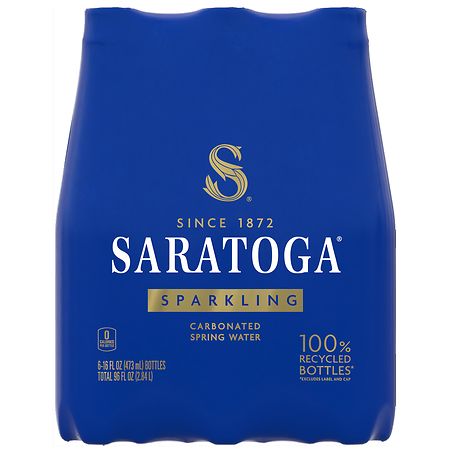
This bottled water is minimally processed and contains beneficial minerals like calcium, magnesium, and potassium, which contribute positively to health. The product is free from harmful contaminants and additives, and its clean label and natural mineral content support a high rating. The water's source quality and lack of artificial ingredients further enhance its score.
Key ingredients 10
CalciumGood
Calcium is beneficial for bone health and plays a crucial role in muscle function. It is naturally present in water and contributes to the mineral balance without requiring additional processing. The presence of calcium in drinking water can help supplement dietary intake, especially in populations with low dairy consumption.
Benefits
Supports bone health and muscle function, contributing to overall mineral balance.
MagnesiumGood
Magnesium is essential for numerous biochemical reactions in the body, including energy production and muscle contraction. It is naturally found in water sources and does not require artificial enhancement. Adequate magnesium intake is associated with reduced risk of cardiovascular diseases.
Benefits
Essential for energy production and muscle function, and supports cardiovascular health.
PotassiumGood
Potassium is crucial for heart and muscle function and helps regulate fluid balance. It is naturally present in water and contributes positively to the electrolyte profile without requiring processing. Adequate potassium intake is linked to lower blood pressure and reduced risk of stroke.
Benefits
Supports heart health and fluid balance, and may help lower blood pressure.
ChlorideGood
Beneficial ingredient — whole-food or functional value in this product class.
Risks
Excessive chloride can increase water corrosiveness, but levels in bottled water are generally safe.
Benefits
Aids in fluid balance and digestion.
SulfateGood
Beneficial ingredient — whole-food or functional value in this product class.
Risks
High levels can cause a laxative effect, but this is rare in bottled water.
Benefits
Contributes to mineral content and taste of water.
SodiumNeutral
Sodium is an essential electrolyte that helps maintain fluid balance and nerve function. In bottled water, sodium levels are typically low and naturally occurring, minimizing health concerns. Excessive sodium intake can lead to hypertension, but the levels in drinking water are generally not a concern.
Risks
Excessive sodium intake can contribute to hypertension, but levels in water are typically safe.
Benefits
Helps maintain fluid balance and supports nerve function.
BicarbonatesNeutral
Bicarbonates help maintain pH balance in the body and are naturally present in many water sources. They are not artificially added and contribute to the buffering capacity of water. Bicarbonates can help neutralize stomach acid and support digestion.
Benefits
Helps maintain pH balance and supports digestion.
NitratesNeutral
Nitrates are naturally occurring compounds that can be present in water due to agricultural runoff. In controlled amounts, they are not harmful and are regulated in drinking water. High nitrate levels can be harmful, particularly for infants, but bottled water is typically tested to ensure safety.
Risks
High levels can be harmful, especially for infants, but bottled water is regulated for safety.
CarbonateNeutral
Carbonate is a naturally occurring ion in water that can contribute to the alkalinity and taste. It is not artificially added and is generally safe at the levels found in bottled water. Carbonates can help buffer acidity in the body, supporting pH balance.
Benefits
Contributes to alkalinity and helps buffer acidity in the body.
FluorideNeutral
Fluoride is added to some water supplies to help prevent dental cavities, but it can also occur naturally. The levels in bottled water are typically low and regulated to prevent excessive intake. While beneficial for dental health, excessive fluoride can lead to dental fluorosis.
Risks
Excessive fluoride can cause dental fluorosis, but levels in bottled water are regulated.
Benefits
Helps prevent dental cavities when consumed in appropriate amounts.
Processing
Unprocessed or Minimally Processed Foods
Get the full breakdown in the Scout appTake Scout shopping
Scan any product to see lab results, healthy alternatives, and your personalized analysis.
Download on theApp Store GET IT ONGoogle Play