



At a glance
Summary
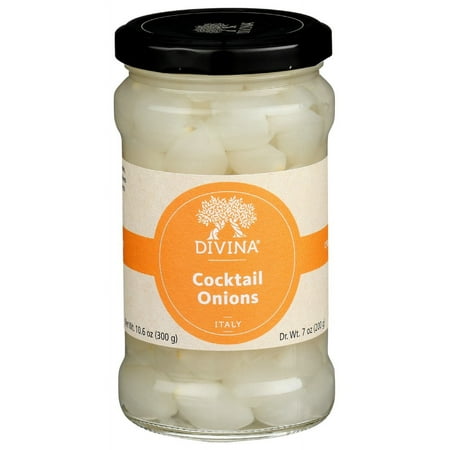
Divina Cocktail Onions are a processed food with a simple ingredient list, primarily consisting of onions, water, and salt, along with acetic and citric acids as acidity regulators. The absence of harmful additives such as artificial colors, flavors, or preservatives is a positive aspect. However, the product's processing level limits its score, despite the clean label.
Key ingredients 5
OnionsNeutral
Onions are a natural vegetable ingredient with no significant processing. They provide flavor and some nutritional value, including vitamins and antioxidants. However, in this context, they are primarily used for flavor rather than nutritional benefits.
Benefits
Onions contain antioxidants and vitamins that can contribute to overall health, though their benefits in this product are minimal due to the small quantity used.
WaterNeutral
Water is used as a solvent and carrier for other ingredients. It is essential for the texture and preservation of the product. Water itself does not provide nutritional benefits but is necessary for the product's formulation.
Benefits
Water is essential for hydration and acts as a medium for other ingredients in the product.
SaltNeutral
Salt is used as a preservative and flavor enhancer in this product. It is a common culinary ingredient but does not provide additional nutritional benefits. Excessive consumption of salt can lead to health issues such as hypertension.
Risks
High sodium intake can contribute to hypertension and cardiovascular issues.
Benefits
Salt enhances flavor and acts as a preservative, extending the product's shelf life.
Acetic AcidNeutral
Acetic acid is used as an acidity regulator and preservative. It is a natural component of vinegar and helps maintain the product's pH balance. While it is safe in small amounts, excessive consumption can cause digestive discomfort.
Risks
Excessive consumption may lead to digestive discomfort or irritation.
Benefits
Acetic acid helps preserve the product and maintain its acidity, contributing to flavor and shelf stability.
Citric AcidNeutral
Citric acid is a natural preservative and acidity regulator. It is commonly found in citrus fruits and used to enhance flavor and preserve freshness. It is generally recognized as safe but can cause irritation in sensitive individuals.
Risks
May cause irritation or allergic reactions in sensitive individuals.
Benefits
Citric acid enhances flavor and acts as a preservative, helping to maintain the product's freshness.
Processing
Processed Foods
Get the full breakdown in the Scout appTake Scout shopping
Scan any product to see lab results, healthy alternatives, and your personalized analysis.
Download on theApp Store GET IT ONGoogle Play