

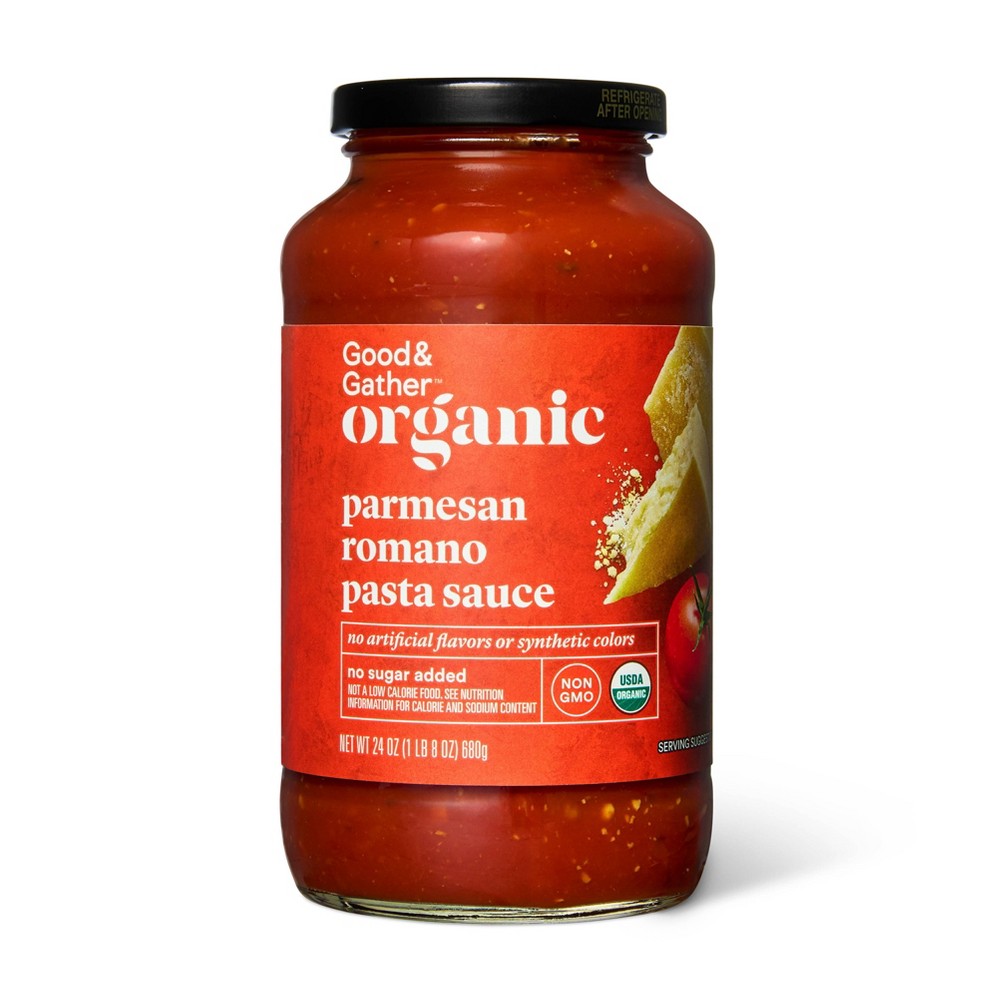


Nutrisystem Chicken pasta parmesan
Analysis updated August 2026 · How Scout scores
At a glance
Summary
This chicken pasta parmesan features a variety of high-quality ingredients such as olive oil, garlic, and parmesan, which contribute beneficial nutrients and healthy fats. The use of fresh herbs and whole ingredients like chicken and lemon enhances its nutritional profile. Despite being a processed food, the absence of harmful additives and the inclusion of wholesome components allow it to achieve a high score within its category.
Key ingredients 16
Olive oilVery Good
Olive oil is a high-quality monounsaturated fat with anti-inflammatory properties. It contains antioxidants that support heart health. Cold-pressed extraction preserves beneficial compounds.
Benefits
Rich in monounsaturated fats that support heart health and provide anti-inflammatory properties. Contains antioxidants like vitamin E and polyphenols that may reduce oxidative stress.
EggVery Good
Eggs are a high-quality source of protein and essential nutrients. They contain vitamins, minerals, and healthy fats. Pasture-raised eggs offer a better nutrient profile compared to conventional eggs.
Risks
Potential allergen for some individuals.
Benefits
Rich in protein and nutrients that support muscle maintenance and overall health.
GarlicGood
Garlic is known for its potential cardiovascular benefits and immune-boosting properties. It contains allicin, which has antimicrobial effects. Fresh garlic provides more health benefits compared to processed forms.
Risks
May cause digestive discomfort in some individuals when consumed in large amounts.
Benefits
Supports heart health and may help reduce blood pressure. Contains compounds that can enhance immune function.
ChickenGood
Chicken is a high-quality source of animal protein with essential amino acids. It provides important nutrients like B vitamins and minerals. Opting for organic or pasture-raised chicken can enhance nutritional quality.
Risks
Potential risk of bacterial contamination if not cooked properly.
Benefits
Provides a rich source of protein necessary for muscle maintenance and repair. Contains vitamins and minerals that support overall health.
Heavy creamGood
Beneficial ingredient — whole-food or functional value in this product class.
Risks
High in saturated fats, which may impact heart health if consumed excessively.
Benefits
Adds flavor and texture to dishes and can be part of a balanced diet when used sparingly.
ParmesanGood
Parmesan is a hard cheese rich in protein and calcium. It contains beneficial bacteria from the fermentation process. Aged cheeses like Parmesan can be easier to digest for those with lactose intolerance.
Risks
High sodium content may be a concern for individuals with hypertension.
Benefits
Provides a good source of protein and calcium, supporting bone health. Contains probiotics that may benefit gut health.
ParsleyGood
Parsley is a herb rich in vitamins A, C, and K. It has antioxidant properties and can aid in digestion. Fresh parsley offers more nutrients compared to dried forms.
Benefits
Rich in antioxidants and vitamins, supporting immune function and overall health.
LemonGood
Lemon is a citrus fruit high in vitamin C and antioxidants. It can enhance flavor and aid in digestion. Fresh lemon juice provides more nutrients compared to bottled versions.
Benefits
Supports immune health and provides antioxidants that may reduce inflammation.
ShallotsGood
Shallots are a type of onion with a milder flavor and high antioxidant content. They contain vitamins and minerals that support health. Fresh shallots provide more nutrients compared to dried forms.
Benefits
Rich in antioxidants and nutrients that support overall health.
ThymeGood
Thyme is a herb with antimicrobial and antioxidant properties. It contains vitamins and minerals that support health. Fresh thyme offers more nutrients compared to dried forms.
Benefits
Supports immune health and provides antioxidants that may reduce inflammation.
PastaNeutral
Pasta is a staple carbohydrate source made from wheat. It provides energy but lacks significant nutritional benefits beyond carbohydrates. Whole grain versions offer more fiber and nutrients compared to refined pasta.
Risks
May contribute to blood sugar spikes if consumed in excess due to high carbohydrate content.
Benefits
Provides a source of energy and can be part of a balanced diet when combined with other nutrient-rich foods.
Cream cheeseNeutral
Cream cheese is a dairy product that provides a creamy texture and flavor. It is high in fat and calories, with limited nutritional benefits. Choosing versions with fewer additives can be beneficial.
Risks
High in calories and saturated fats, which may contribute to weight gain if consumed in excess.
Benefits
Adds a rich, creamy texture to dishes and can enhance flavor.
Hot sauceNeutral
Hot sauce is a condiment made from chili peppers and vinegar. It adds flavor and heat to dishes but offers limited nutritional benefits. Some varieties may contain added sugars or preservatives.
Risks
May cause digestive discomfort in sensitive individuals.
Benefits
Adds flavor and can enhance the palatability of dishes.
SeasoningsNeutral
Seasonings enhance flavor but vary widely in composition. They may contain herbs, spices, and salt. Quality and health impact depend on specific ingredients used.
Risks
Potential for high sodium content if salt is a major component.
Benefits
Can enhance flavor and palatability of dishes.
ButterNeutral
Butter is a dairy product high in saturated fats. It adds flavor and richness to dishes but should be consumed in moderation. Grass-fed butter may offer a better fatty acid profile.
Risks
High in saturated fats, which may impact heart health if consumed excessively.
Benefits
Adds flavor and texture to dishes and can be part of a balanced diet when used sparingly.
Dry bread crumbsNeutral
Dry bread crumbs are used for texture and coating in dishes. They are made from bread and provide carbohydrates. Whole grain versions offer more fiber and nutrients.
Risks
May contribute to blood sugar spikes if consumed in excess due to high carbohydrate content.
Benefits
Adds texture and can enhance the palatability of dishes.
Processing
Processed Foods
Get the full breakdown in the Scout appTake Scout shopping
Scan any product to see lab results, healthy alternatives, and your personalized analysis.
Download on theApp Store GET IT ONGoogle Play