

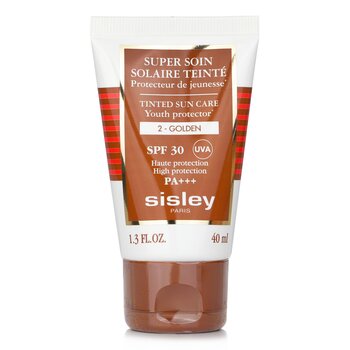


Revision Skincare Intellishade Original Tinted Moisturizer SPF 45 1.7oz/48g
Analysis updated August 2026 · How Scout scores
At a glance
Summary
This tinted moisturizer contains beneficial ingredients such as jojoba esters, aloe vera, and green tea extract, which provide hydration and antioxidant benefits. The presence of squalane and beeswax further enhances its moisturizing properties. However, the inclusion of phenoxyethanol as a preservative, which can cause irritation in sensitive individuals, slightly impacts its overall safety profile.
Key ingredients 44
Jojoba EstersVery Good
Jojoba Esters are derived from jojoba oil and are used for their moisturizing properties. They mimic the skin's natural oils, making them excellent for hydration. They are non-comedogenic and suitable for all skin types.
Risks
There are no significant risks associated with jojoba esters.
Benefits
They provide excellent hydration and mimic the skin's natural oils.
Aloe Barbadensis Leaf JuiceVery Good
Aloe Barbadensis Leaf Juice is known for its soothing and hydrating properties. It is widely used in skincare for its ability to calm irritated skin and provide moisture. It is suitable for all skin types and helps to improve skin barrier function.
Risks
There are no significant risks associated with aloe vera.
Benefits
It soothes and hydrates the skin, calming irritation.
Camellia Sinensis (Green Tea) Leaf ExtractVery Good
Green Tea Leaf Extract is rich in antioxidants and has anti-inflammatory properties. It helps to protect the skin from free radical damage and soothes irritation. It is suitable for all skin types and provides anti-aging benefits.
Risks
There are no significant risks associated with green tea extract.
Benefits
It protects the skin from free radical damage and soothes irritation.
Beeswax (Cera Alba)Very Good
Beeswax is a natural wax used for its emollient and thickening properties. It helps to lock in moisture and protect the skin barrier. It is suitable for all skin types and provides a natural protective layer.
Risks
There are no significant risks associated with beeswax.
Benefits
It locks in moisture and protects the skin barrier.
SqualaneVery Good
Squalane is a lightweight oil that mimics the skin's natural sebum. It provides excellent hydration and helps to improve skin elasticity. It is suitable for all skin types and is non-comedogenic.
Risks
There are no significant risks associated with squalane.
Benefits
It provides excellent hydration and improves skin elasticity.
Tetrahexyldecyl AscorbateVery Good
Tetrahexyldecyl Ascorbate is a stable form of Vitamin C used for its brightening and antioxidant properties. It helps to improve skin tone and protect against environmental damage. It is suitable for all skin types and provides anti-aging benefits.
Risks
There are no significant risks associated with Tetrahexyldecyl Ascorbate.
Benefits
It improves skin tone and protects against environmental damage.
Palmitoyl Tripeptide-5Very Good
Palmitoyl Tripeptide-5 is a peptide used for its anti-aging properties. It helps to stimulate collagen production and improve skin elasticity. It is suitable for all skin types and provides firming benefits.
Risks
There are no significant risks associated with Palmitoyl Tripeptide-5.
Benefits
It stimulates collagen production and improves skin elasticity.
Palmitoyl Dipeptide-5 Diaminobutyroyl HydroxythreonineVery Good
This peptide is used for its anti-aging and skin-firming properties. It helps to improve skin elasticity and reduce the appearance of fine lines. It is suitable for all skin types and provides firming benefits.
Risks
There are no significant risks associated with this peptide.
Benefits
It improves skin elasticity and reduces the appearance of fine lines.
Epigallocatechin GallateVery Good
Epigallocatechin Gallate is a potent antioxidant found in green tea. It helps to protect the skin from free radical damage and reduce inflammation. It is suitable for all skin types and provides anti-aging benefits.
Risks
There are no significant risks associated with Epigallocatechin Gallate.
Benefits
It protects the skin from free radical damage and reduces inflammation.
Simmondsia Chinensis (Jojoba) Meal ExtractVery Good
Jojoba Meal Extract is used for its exfoliating and moisturizing properties. It helps to remove dead skin cells and improve skin texture. It is suitable for all skin types and provides gentle exfoliation.
Risks
There are no significant risks associated with jojoba meal extract.
Benefits
It removes dead skin cells and improves skin texture.
Caprylic/Capric TriglycerideGood
Caprylic/Capric Triglyceride is an emollient derived from coconut oil and glycerin. It helps to moisturize and replenish the skin. It is lightweight and non-greasy, making it suitable for all skin types.
Risks
There are minimal risks, but it can cause irritation in sensitive individuals.
Benefits
It moisturizes and replenishes the skin without being greasy.
GlycerinGood
Glycerin is a humectant that attracts moisture to the skin, keeping it hydrated. It is widely used in skincare for its moisturizing properties. It is suitable for all skin types and helps to improve skin barrier function.
Risks
There are no significant risks associated with glycerin.
Benefits
It attracts moisture to the skin, keeping it hydrated.
Betula Alba (White Birch) Bark ExtractGood
Betula Alba Bark Extract is known for its antioxidant and anti-inflammatory properties. It helps to protect the skin from environmental stressors and reduce redness. It is suitable for sensitive skin and provides a calming effect.
Risks
There are minimal risks, but it can cause irritation in sensitive individuals.
Benefits
It protects the skin from environmental stressors and reduces redness.
Tocopheryl AcetateGood
Tocopheryl Acetate is a form of Vitamin E used for its antioxidant properties. It helps to protect the skin from free radical damage and improve skin texture. It is suitable for all skin types and provides anti-aging benefits.
Risks
There are minimal risks, but it can cause irritation in sensitive individuals.
Benefits
It protects the skin from free radical damage and improves skin texture.
TocopherolGood
Tocopherol is a form of Vitamin E used for its antioxidant properties. It helps to protect the skin from free radical damage and improve skin texture. It is suitable for all skin types and provides anti-aging benefits.
Risks
There are minimal risks, but it can cause irritation in sensitive individuals.
Benefits
It protects the skin from free radical damage and improves skin texture.
UbiquinoneGood
Ubiquinone, also known as Coenzyme Q10, is an antioxidant that helps to protect the skin from oxidative stress. It improves skin elasticity and reduces the appearance of fine lines. It is suitable for all skin types and provides anti-aging benefits.
Risks
There are minimal risks, but it can cause irritation in sensitive individuals.
Benefits
It protects the skin from oxidative stress and improves skin elasticity.
Water (Aqua)Neutral
Water is a common solvent used in cosmetics to dissolve other ingredients. It helps in the application and absorption of the product. It does not have any direct benefits or risks associated with its use in skincare.
Risks
There are no significant risks associated with water in cosmetics.
Benefits
Water helps in the application and absorption of the product.
CyclopentasiloxaneNeutral
Cyclopentasiloxane is a silicone that provides a smooth application and a silky feel. It is commonly used in skincare for its emollient properties. It is generally considered safe for use in cosmetics.
Risks
There are minimal risks, but it can cause irritation in sensitive individuals.
Benefits
It provides a smooth application and a silky feel to the skin.
Ethylhexyl StearateNeutral
Ethylhexyl Stearate is an emollient that helps to soften and smooth the skin. It is used to improve the texture and spreadability of the product. It is generally considered safe for use in cosmetics.
Risks
There are minimal risks, but it can cause irritation in sensitive individuals.
Benefits
It helps to soften and smooth the skin.
Cetyl PEG/PPG-10/1 DimethiconeNeutral
Cetyl PEG/PPG-10/1 Dimethicone is a silicone-based polymer used for its conditioning properties. It provides a smooth application and enhances the texture of the product. It is generally considered safe for use in cosmetics.
Risks
There are minimal risks, but it can cause irritation in sensitive individuals.
Benefits
It provides a smooth application and enhances the product's texture.
Hexyl LaurateNeutral
Hexyl Laurate is an ester used as an emollient and thickening agent in cosmetics. It helps to improve the texture and spreadability of the product. It is generally considered safe for use in cosmetics.
Risks
There are minimal risks, but it can cause irritation in sensitive individuals.
Benefits
It improves the texture and spreadability of the product.
Polyglyceryl-4 IsostearateNeutral
Polyglyceryl-4 Isostearate is an emulsifier that helps to blend oil and water-based ingredients. It improves the stability and consistency of the product. It is generally considered safe for use in cosmetics.
Risks
There are minimal risks, but it can cause irritation in sensitive individuals.
Benefits
It improves the stability and consistency of the product.
SorbitolNeutral
Sorbitol is a sugar alcohol used as a humectant in cosmetics. It helps to retain moisture in the skin. It is generally considered safe for use in cosmetics.
Risks
There are minimal risks, but it can cause irritation in sensitive individuals.
Benefits
It helps to retain moisture in the skin.
Butylene GlycolNeutral
Butylene Glycol is a solvent and conditioning agent used in cosmetics. It helps to improve the texture and spreadability of the product. It is generally considered safe for use in cosmetics.
Risks
There are minimal risks, but it can cause irritation in sensitive individuals.
Benefits
It improves the texture and spreadability of the product.
Cetyl DimethiconeNeutral
Cetyl Dimethicone is a silicone-based polymer used for its conditioning properties. It provides a smooth application and enhances the texture of the product. It is generally considered safe for use in cosmetics.
Risks
There are minimal risks, but it can cause irritation in sensitive individuals.
Benefits
It provides a smooth application and enhances the product's texture.
Plankton ExtractNeutral
Plankton Extract is used for its moisturizing and skin-conditioning properties. It helps to improve skin texture and hydration. It is generally considered safe for use in cosmetics.
Risks
There are minimal risks, but it can cause irritation in sensitive individuals.
Benefits
It improves skin texture and hydration.
Hydrogenated Castor OilNeutral
Standard formulation ingredient — neither beneficial nor harmful at typical use.
Risks
There are no significant risks associated with hydrogenated castor oil.
Benefits
It moisturizes and softens the skin, providing a protective barrier.
Glyceryl CaprylateNeutral
Glyceryl Caprylate is used as an emulsifier and skin-conditioning agent. It helps to stabilize the product and improve skin texture. It is generally considered safe for use in cosmetics.
Risks
There are minimal risks, but it can cause irritation in sensitive individuals.
Benefits
It stabilizes the product and improves skin texture.
Tetradecyl Aminobutyroylvalylaminobutyric Urea TrifluoroacetateNeutral
This compound is used for its skin-conditioning properties. It helps to improve skin texture and hydration. It is generally considered safe for use in cosmetics.
Risks
There are minimal risks, but it can cause irritation in sensitive individuals.
Benefits
It improves skin texture and hydration.
Boron NitrideNeutral
Boron Nitride is used for its light-diffusing and oil-absorbing properties. It helps to improve the texture and appearance of the skin. It is generally considered safe for use in cosmetics.
Risks
There are minimal risks, but it can cause irritation in sensitive individuals.
Benefits
It improves the texture and appearance of the skin.
Sodium ChlorideNeutral
Sodium Chloride is used as a thickening agent and stabilizer in cosmetics. It helps to improve the texture and consistency of the product. It is generally considered safe for use in cosmetics.
Risks
There are minimal risks, but it can cause irritation in sensitive individuals.
Benefits
It improves the texture and consistency of the product.
Glyceryl IsostearateNeutral
Glyceryl Isostearate is used as an emulsifier and skin-conditioning agent. It helps to stabilize the product and improve skin texture. It is generally considered safe for use in cosmetics.
Risks
There are minimal risks, but it can cause irritation in sensitive individuals.
Benefits
It stabilizes the product and improves skin texture.
ChlorphenesinNeutral
Chlorphenesin is a preservative used to prevent microbial growth in cosmetics. It is effective in low concentrations and helps to extend the shelf life of the product. It is generally considered safe for use in cosmetics.
Risks
There are minimal risks, but it can cause irritation in sensitive individuals.
Benefits
It prevents microbial growth and extends the shelf life of the product.
Polyhydroxystearic AcidNeutral
Polyhydroxystearic Acid is used as an emulsifier and thickening agent in cosmetics. It helps to improve the texture and consistency of the product. It is generally considered safe for use in cosmetics.
Risks
There are minimal risks, but it can cause irritation in sensitive individuals.
Benefits
It improves the texture and consistency of the product.
Xanthan GumNeutral
Xanthan Gum is used as a thickening and stabilizing agent in cosmetics. It helps to improve the texture and consistency of the product. It is generally considered safe for use in cosmetics.
Risks
There are minimal risks, but it can cause irritation in sensitive individuals.
Benefits
It improves the texture and consistency of the product.
Magnesium ChlorideNeutral
Magnesium Chloride is used as a stabilizer and conditioning agent in cosmetics. It helps to improve the texture and hydration of the skin. It is generally considered safe for use in cosmetics.
Risks
There are minimal risks, but it can cause irritation in sensitive individuals.
Benefits
It improves skin texture and hydration.
TriethoxycaprylylsilaneNeutral
Triethoxycaprylylsilane is used as a surface modifier in cosmetics. It helps to improve the dispersion of pigments and enhance the texture of the product. It is generally considered safe for use in cosmetics.
Risks
There are minimal risks, but it can cause irritation in sensitive individuals.
Benefits
It improves the dispersion of pigments and enhances product texture.
Benzoic AcidNeutral
Benzoic Acid is used as a preservative in cosmetics to prevent microbial growth. It is effective in low concentrations and helps to extend the shelf life of the product. It is generally considered safe for use in cosmetics.
Risks
There are minimal risks, but it can cause irritation in sensitive individuals.
Benefits
It prevents microbial growth and extends the shelf life of the product.
Iron Oxides (CI 77491, CI 77492, CI 77499)Neutral
Iron Oxides are used as pigments in cosmetics to provide color. They are stable and non-toxic, making them suitable for use in a variety of products. They are generally considered safe for use in cosmetics.
Risks
There are minimal risks, but they can cause irritation in sensitive individuals.
Benefits
They provide stable and non-toxic color to cosmetics.
DimethiconeBad
Occlusive silicone film-former — flagged under clean-beauty doctrine.
Risks
There are minimal risks, but it can cause irritation in sensitive individuals.
Benefits
It provides a silky feel and improves the product's texture.
LecithinBad
Processed additive flagged under Scout's ingredient doctrine.
Risks
There are minimal risks, but it can cause irritation in sensitive individuals.
Benefits
It improves skin texture and hydration.
Yeast Extract (Faex)Bad
Processed additive flagged under Scout's ingredient doctrine.
Risks
There are minimal risks, but it can cause irritation in sensitive individuals.
Benefits
It improves skin texture and hydration.
PhenoxyethanolBad
Phenoxyethanol is a preservative used to prevent microbial growth in cosmetics. It is effective in low concentrations but can cause irritation in sensitive individuals. It is generally considered safe but has been associated with allergic reactions.
Risks
It can cause irritation and allergic reactions in sensitive individuals.
Benefits
It prevents microbial growth and extends the shelf life of the product.
Sorbic AcidBad
Processed additive flagged under Scout's ingredient doctrine.
Risks
There are minimal risks, but it can cause irritation in sensitive individuals.
Benefits
It prevents microbial growth and extends the shelf life of the product.
Get the full breakdown in the Scout appTake Scout shopping
Scan any product to see lab results, healthy alternatives, and your personalized analysis.
Download on theApp Store GET IT ONGoogle PlayAmazon pricing & content
Amazon price as of . Product prices and availability are accurate as of the date/time indicated and are subject to change. Any price and availability information displayed on Amazon.com at the time of purchase will apply to the purchase of this product.
CERTAIN CONTENT THAT APPEARS ON THIS SITE COMES FROM AMAZON. THIS CONTENT IS PROVIDED “AS IS” AND IS SUBJECT TO CHANGE OR REMOVAL AT ANY TIME.