



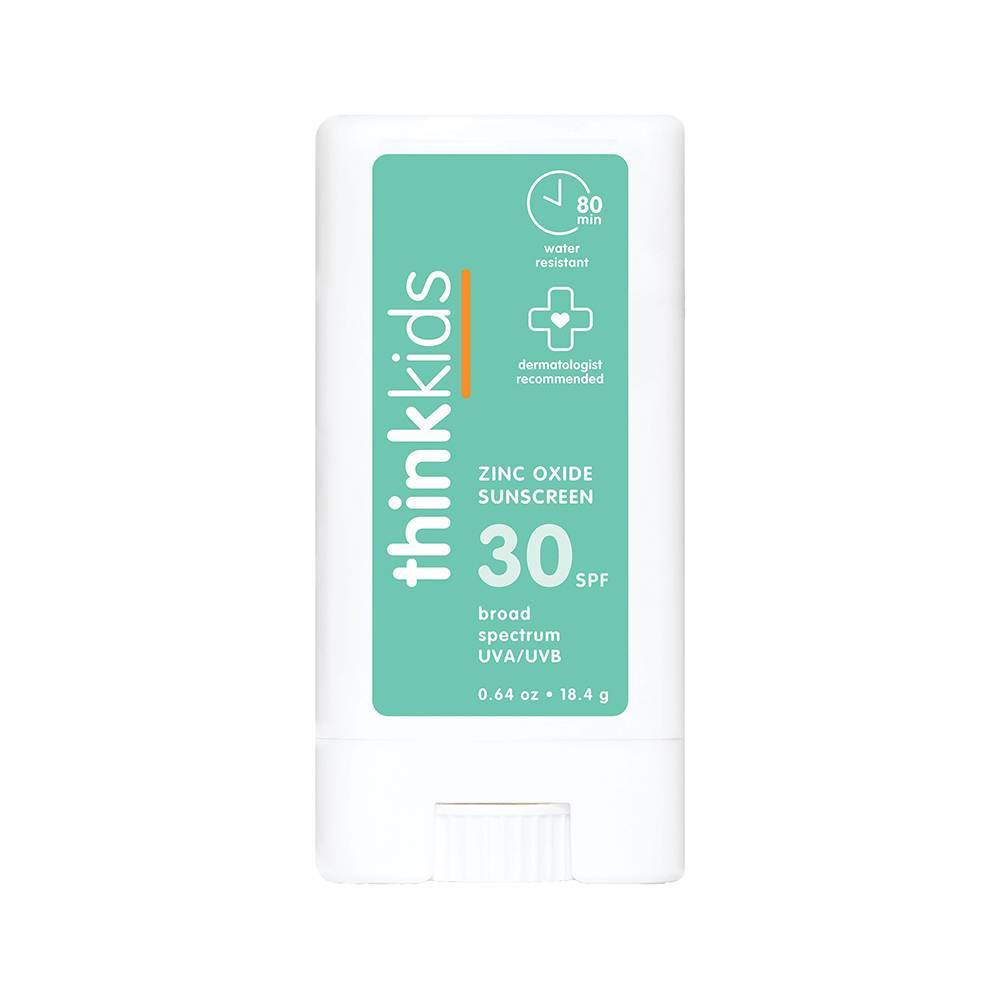
Farmacy Green Defense Daily Mineral Sunscreen SPF 30 Color: None Size: N/A
Analysis updated July 2026 · How Scout scores
At a glance
Summary
This sunscreen contains zinc oxide, a mineral UV filter that is generally considered safe and effective. The formulation includes beneficial ingredients like moringa leaf water and bisabolol, which are known for their soothing properties. However, the presence of polyacrylate crosspolymer and other synthetic compounds indicates a moderate level of processing, which slightly impacts the overall score.
Key ingredients 39
ZINC OXIDEGood
Zinc oxide is a mineral sunscreen agent that provides broad-spectrum UV protection. It is considered safe and effective for sensitive skin. It is non-comedogenic and does not penetrate the skin, making it a preferred choice for physical sun protection.
Risks
There are minimal risks associated with zinc oxide, primarily related to potential white cast on the skin.
Benefits
Zinc oxide offers excellent protection against both UVA and UVB rays without irritating the skin.
MORINGA OLEIFERA LEAF WATERGood
Moringa oleifera leaf water is derived from the moringa plant, known for its antioxidant properties. It helps in soothing and hydrating the skin. The ingredient is rich in vitamins and minerals, contributing to skin nourishment.
Risks
There are no significant risks associated with moringa oleifera leaf water.
Benefits
It provides antioxidant benefits and helps in maintaining skin hydration and health.
MORINGA OLEIFERA SEED EXTRACTGood
Moringa oleifera seed extract is known for its high antioxidant content, which helps protect the skin from environmental damage. It also has anti-inflammatory properties that can soothe irritated skin. The extract is rich in nutrients that support skin health.
Risks
There are minimal risks associated with moringa oleifera seed extract.
Benefits
It offers antioxidant protection and helps in reducing inflammation, promoting overall skin health.
TOCOPHEROLGood
Tocopherol, or Vitamin E, is a powerful antioxidant that helps protect the skin from free radical damage. It also has moisturizing properties that improve skin texture. Tocopherol is widely used in skincare for its protective and nourishing benefits.
Risks
There are minimal risks associated with tocopherol, though it may cause irritation in very sensitive individuals.
Benefits
It provides antioxidant protection and helps maintain skin moisture and elasticity.
GLUCONOLACTONEGood
Beneficial ingredient — whole-food or functional value in this product class.
Risks
There are minimal risks associated with gluconolactone, though it may cause mild irritation in sensitive individuals.
Benefits
It provides gentle exfoliation and hydration, improving skin texture and appearance.
BETA-CAROTENEGood
Beneficial ingredient — whole-food or functional value in this product class.
Risks
There are minimal risks associated with beta-carotene.
Benefits
It provides antioxidant protection and supports skin health.
INOSITOLGood
Beneficial ingredient — whole-food or functional value in this product class.
Risks
There are minimal risks associated with inositol.
Benefits
It enhances skin hydration and improves texture.
WATER/AQUA/EAUNeutral
Water is a common solvent used in cosmetic formulations to dissolve other ingredients. It acts as a base for many products. While it does not provide direct benefits, it is essential for product consistency.
Risks
There are no risks associated with water in cosmetic formulations.
Benefits
Water helps in dissolving other ingredients and provides a base for the formulation.
CAPRYLIC/CAPRIC TRIGLYCERIDENeutral
Caprylic/capric triglyceride is derived from coconut oil and glycerin, used as an emollient and texture enhancer. It helps in improving the spreadability of products. It is generally considered safe and non-irritating.
Risks
There are minimal risks associated with caprylic/capric triglyceride.
Benefits
It enhances the texture of products and provides a lightweight moisturizing effect.
C13-15 ALKANENeutral
C13-15 alkane is used as an emollient and solvent in cosmetic formulations. It helps in improving the texture and feel of products. It is considered safe for use in cosmetics.
Risks
There are minimal risks associated with C13-15 alkane.
Benefits
It improves the texture and spreadability of cosmetic products.
PENTYLENE GLYCOLNeutral
Pentylene glycol is a synthetic humectant and solvent used in cosmetics to improve skin hydration. It also acts as a preservative booster. It is generally considered safe for use in skincare products.
Risks
There are minimal risks associated with pentylene glycol.
Benefits
It enhances skin hydration and helps in preserving the product.
C15-19 ALKANENeutral
C15-19 alkane is used as an emollient and solvent in cosmetic formulations. It helps in improving the texture and feel of products. It is considered safe for use in cosmetics.
Risks
There are minimal risks associated with C15-19 alkane.
Benefits
It improves the texture and spreadability of cosmetic products.
PROPANEDIOLNeutral
Propanediol is a glycol used as a solvent and humectant in cosmetics. It helps in improving skin hydration and product texture. It is considered safe and non-irritating for most skin types.
Risks
There are minimal risks associated with propanediol.
Benefits
It enhances skin hydration and improves product texture.
BIS-DIGLYCERYL POLYACYLADIPATE-2Neutral
Bis-diglyceryl polyacyladipate-2 is a synthetic ester used as an emollient in cosmetics. It provides a smooth texture and enhances the spreadability of products. It is considered safe for use in skincare formulations.
Risks
There are minimal risks associated with bis-diglyceryl polyacyladipate-2.
Benefits
It improves the texture and application of cosmetic products.
POLYACRYLATE CROSSPOLYMER-6Neutral
Polyacrylate crosspolymer-6 is a synthetic polymer used as a thickening agent in cosmetics. It helps in stabilizing emulsions and improving product texture. It is considered safe for use in skincare formulations.
Risks
There are minimal risks associated with polyacrylate crosspolymer-6.
Benefits
It enhances the texture and stability of cosmetic products.
PHYSALIS ALKEKENGI CALYX EXTRACTNeutral
Physalis alkekengi calyx extract is derived from the Chinese lantern plant and is used for its antioxidant properties. It helps in protecting the skin from environmental stressors. It is considered safe for use in cosmetics.
Risks
There are minimal risks associated with physalis alkekengi calyx extract.
Benefits
It provides antioxidant protection and helps in maintaining skin health.
CETEARYL ALCOHOLNeutral
Cetearyl alcohol is a fatty alcohol used as an emollient and emulsifier in cosmetics. It helps in improving the texture and stability of products. It is considered safe and non-irritating for most skin types.
Risks
There are minimal risks associated with cetearyl alcohol.
Benefits
It enhances the texture and stability of cosmetic formulations.
SODIUM DILAURAMIDOGGLUTAMIDE LYSINENeutral
Sodium dilauramidoglutamide lysine is a synthetic ingredient used as a conditioning agent in cosmetics. It helps in improving the texture and feel of products. It is considered safe for use in skincare formulations.
Risks
There are minimal risks associated with sodium dilauramidoglutamide lysine.
Benefits
It enhances the texture and conditioning properties of cosmetic products.
ISOSTEARIC ACIDNeutral
Isostearic acid is a fatty acid used as an emollient and emulsifier in cosmetics. It helps in improving the texture and stability of products. It is considered safe for use in skincare formulations.
Risks
There are minimal risks associated with isostearic acid.
Benefits
It enhances the texture and stability of cosmetic formulations.
POLYHYDROXYSTEARIC ACIDNeutral
Polyhydroxystearic acid is a synthetic polymer used as a thickening agent in cosmetics. It helps in stabilizing emulsions and improving product texture. It is considered safe for use in skincare formulations.
Risks
There are minimal risks associated with polyhydroxystearic acid.
Benefits
It enhances the texture and stability of cosmetic products.
POLYGLYCERYL-3 POLYRICINOLEATENeutral
Polyglyceryl-3 polyricinoleate is a synthetic ester used as an emulsifier in cosmetics. It helps in stabilizing formulations and improving texture. It is considered safe for use in skincare products.
Risks
There are minimal risks associated with polyglyceryl-3 polyricinoleate.
Benefits
It enhances the texture and stability of cosmetic formulations.
COCO-GLUCOSIDENeutral
Coco-glucoside is a mild surfactant derived from coconut oil and glucose, used in cosmetics for its cleansing properties. It helps in improving the texture and feel of products. It is considered safe and non-irritating for most skin types.
Risks
There are minimal risks associated with coco-glucoside.
Benefits
It provides gentle cleansing and enhances the texture of cosmetic products.
POLYGLYCERIN-3Neutral
Polyglycerin-3 is a synthetic polymer used as a humectant and emulsifier in cosmetics. It helps in improving skin hydration and product texture. It is considered safe for use in skincare formulations.
Risks
There are minimal risks associated with polyglycerin-3.
Benefits
It enhances skin hydration and improves product texture.
BISABOLOLNeutral
Bisabolol is a natural compound derived from chamomile, used in cosmetics for its soothing and anti-inflammatory properties. It helps in calming irritated skin and improving texture. It is considered safe for use in skincare products.
Risks
There are minimal risks associated with bisabolol.
Benefits
It provides soothing and anti-inflammatory benefits, improving skin comfort.
POLYGLYCERYL-3 LACTATE/LAURATENeutral
Polyglyceryl-3 lactate/laurate is a synthetic ester used as an emulsifier in cosmetics. It helps in stabilizing formulations and improving texture. It is considered safe for use in skincare products.
Risks
There are minimal risks associated with polyglyceryl-3 lactate/laurate.
Benefits
It enhances the texture and stability of cosmetic formulations.
XANTHAN GUMNeutral
Xanthan gum is a natural polysaccharide used as a thickening agent in cosmetics. It helps in stabilizing emulsions and improving product texture. It is considered safe for use in skincare formulations.
Risks
There are minimal risks associated with xanthan gum.
Benefits
It enhances the texture and stability of cosmetic products.
SODIUM CITRATENeutral
Sodium citrate is a salt of citric acid used as a buffering agent in cosmetics. It helps in maintaining the pH balance of formulations. It is considered safe for use in skincare products.
Risks
There are minimal risks associated with sodium citrate.
Benefits
It helps in maintaining the pH balance of cosmetic formulations.
SCLEROTIUM GUMNeutral
Sclerotium gum is a natural polysaccharide used as a thickening agent in cosmetics. It helps in stabilizing emulsions and improving product texture. It is considered safe for use in skincare formulations.
Risks
There are minimal risks associated with sclerotium gum.
Benefits
It enhances the texture and stability of cosmetic products.
ARACHIDYL GLUCOSIDENeutral
Arachidyl glucoside is a synthetic ingredient used as an emulsifier in cosmetics. It helps in stabilizing formulations and improving texture. It is considered safe for use in skincare products.
Risks
There are minimal risks associated with arachidyl glucoside.
Benefits
It enhances the texture and stability of cosmetic formulations.
CITRIC ACIDNeutral
Citric acid is a natural acid used as a pH adjuster in cosmetics. It helps in maintaining the pH balance of formulations. It is considered safe for use in skincare products.
Risks
There are minimal risks associated with citric acid, though it may cause mild irritation in sensitive individuals.
Benefits
It helps in maintaining the pH balance of cosmetic formulations.
BEHENYL ALCOHOLNeutral
Behenyl alcohol is a fatty alcohol used as an emollient and thickening agent in cosmetics. It helps in improving the texture and stability of products. It is considered safe for use in skincare formulations.
Risks
There are minimal risks associated with behenyl alcohol.
Benefits
It enhances the texture and stability of cosmetic formulations.
SODIUM PHYTATENeutral
Sodium phytate is a chelating agent used in cosmetics to stabilize formulations. It helps in preventing the degradation of products. It is considered safe for use in skincare formulations.
Risks
There are minimal risks associated with sodium phytate.
Benefits
It helps in stabilizing formulations and preventing product degradation.
MALTODEXTRINNeutral
Maltodextrin is a polysaccharide used as a binding agent in cosmetics. It helps in improving the texture and stability of products. It is considered safe for use in skincare formulations.
Risks
There are minimal risks associated with maltodextrin.
Benefits
It enhances the texture and stability of cosmetic formulations.
T-BUTYL ALCOHOLNeutral
T-butyl alcohol is a denatured alcohol used as a solvent in cosmetics. It helps in improving the texture and feel of products. It is considered safe for use in skincare formulations.
Risks
There are minimal risks associated with t-butyl alcohol, though it may cause mild irritation in sensitive individuals.
Benefits
It enhances the texture and spreadability of cosmetic products.
ARACHIDYL ALCOHOLNeutral
Arachidyl alcohol is a fatty alcohol used as an emollient and thickening agent in cosmetics. It helps in improving the texture and stability of products. It is considered safe for use in skincare formulations.
Risks
There are minimal risks associated with arachidyl alcohol.
Benefits
It enhances the texture and stability of cosmetic formulations.
CALCIUM GLUCONATENeutral
Calcium gluconate is a calcium salt used as a conditioning agent in cosmetics. It helps in improving the texture and feel of products. It is considered safe for use in skincare formulations.
Risks
There are minimal risks associated with calcium gluconate.
Benefits
It enhances the texture and conditioning properties of cosmetic products.
LECITHINBad
Processed additive flagged under Scout's ingredient doctrine.
Risks
There are minimal risks associated with lecithin.
Benefits
It enhances the texture and stability of cosmetic formulations.
SODIUM BENZOATEBad
Synthetic preservative that can form benzene in the presence of vitamin C.
Risks
There are minimal risks associated with sodium benzoate, though it may cause mild irritation in sensitive individuals.
Benefits
It helps in preserving the product and preventing microbial growth.
GLUCOSEBad
Processed additive flagged under Scout's ingredient doctrine.
Risks
There are minimal risks associated with glucose.
Benefits
It enhances skin hydration and improves texture.
Get the full breakdown in the Scout appTake Scout shopping
Scan any product to see lab results, healthy alternatives, and your personalized analysis.
Download on theApp Store GET IT ONGoogle Play