


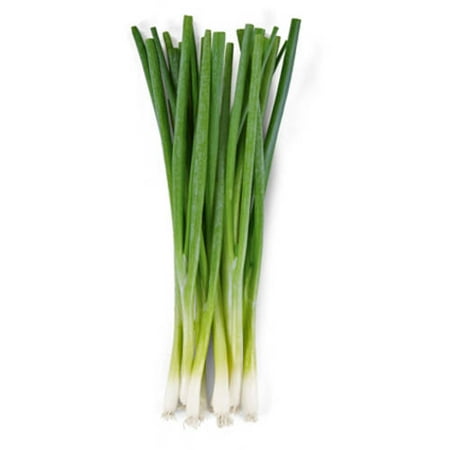

GREEN BEANS
Sprouts Farmers MarketAnalysis updated August 2026 · How Scout scores
At a glance
Summary
This product contains organic green beans and a variety of beneficial herbs and spices, which contribute positively to its nutritional profile. However, the inclusion of canola oil, a highly processed seed oil, detracts from its overall healthiness due to its potential inflammatory effects. The product's processing level further limits its score, as it is not minimally processed.
Key ingredients 10
Organic Green BeansVery Good
Organic green beans are a nutrient-dense vegetable rich in vitamins, minerals, and fiber. Being organic, they are free from synthetic pesticides and fertilizers, enhancing their health benefits. They provide antioxidants that support overall health and reduce oxidative stress.
Benefits
Rich in vitamins A, C, and K, as well as folic acid and fiber, which support digestive health and immune function.
Wild GarlicGood
Wild garlic is a flavorful herb known for its potential health benefits, including antimicrobial properties. It is less processed and retains its natural nutrients and flavors. It can enhance the flavor profile of dishes while providing health benefits.
Benefits
Contains compounds that may support cardiovascular health and provide antimicrobial benefits.
SageGood
Sage is an aromatic herb with antioxidant and anti-inflammatory properties. It is minimally processed and retains its natural health benefits. It can improve flavor while offering potential cognitive and digestive benefits.
Benefits
Rich in antioxidants and may support cognitive health and digestion.
ParsleyGood
Parsley is a nutrient-rich herb high in vitamins A, C, and K. It is minimally processed and provides antioxidants that support overall health. It can enhance flavor and provide nutritional benefits.
Benefits
High in vitamins and antioxidants, supporting immune function and bone health.
Onion PowderGood
Onion powder is a dehydrated form of onion that retains many of its natural nutrients and flavors. It is minimally processed and provides antioxidants and vitamins. It enhances flavor while offering potential health benefits.
Benefits
Contains antioxidants and vitamins that support immune health and reduce inflammation.
SpicesGood
Spices are natural flavor enhancers that provide various health benefits, including anti-inflammatory and antioxidant properties. They are minimally processed and retain their natural compounds. They enhance flavor and offer health benefits without adding calories.
Benefits
Provide antioxidants and anti-inflammatory compounds that support overall health.
SaltNeutral
Salt is a common seasoning used to enhance flavor in foods. It is a refined product that provides sodium, an essential mineral for fluid balance and nerve function. However, excessive intake can lead to hypertension and cardiovascular issues.
Risks
Excessive consumption can lead to high blood pressure and increased risk of heart disease.
Benefits
Provides essential sodium necessary for maintaining fluid balance and proper muscle function.
Palm FatNeutral
Palm fat is a saturated fat derived from palm oil, often used for its stability and texture in processed foods. It is less processed than hydrogenated oils but raises environmental concerns due to deforestation. It provides a stable fat source for cooking and baking.
Risks
Environmental concerns due to deforestation and habitat destruction associated with palm oil production.
Benefits
Provides a stable fat source that is resistant to oxidation and suitable for high-temperature cooking.
Spice ExtractsNeutral
Spice extracts are concentrated forms of spices used to enhance flavor. They are processed to extract essential oils and flavors, which may reduce some nutritional benefits. They provide concentrated flavor without significant nutritional impact.
Benefits
Enhances flavor without adding calories or significant nutrients.
Canola OilVery Bad
Canola oil is a seed oil high in omega-6 fatty acids, which can promote inflammation when consumed in excess. It is often highly processed and may contain trans fats due to hydrogenation. The high omega-6 content can disrupt the omega-3 to omega-6 balance in the diet.
Risks
High omega-6 content may promote inflammation and contribute to chronic diseases when consumed in large amounts.
Processing
Processed Foods
Get the full breakdown in the Scout appTake Scout shopping
Scan any product to see lab results, healthy alternatives, and your personalized analysis.
Download on theApp Store GET IT ONGoogle Play