

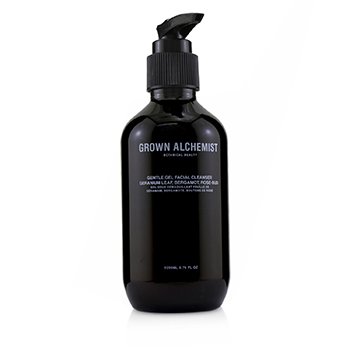

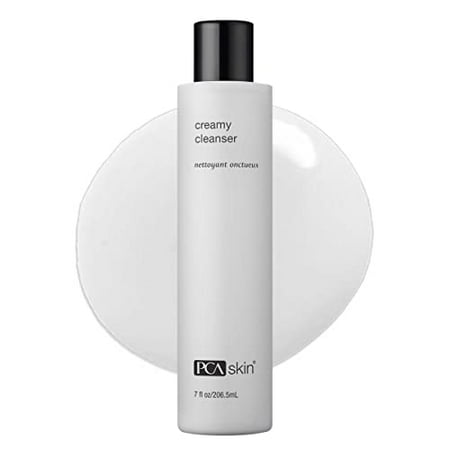
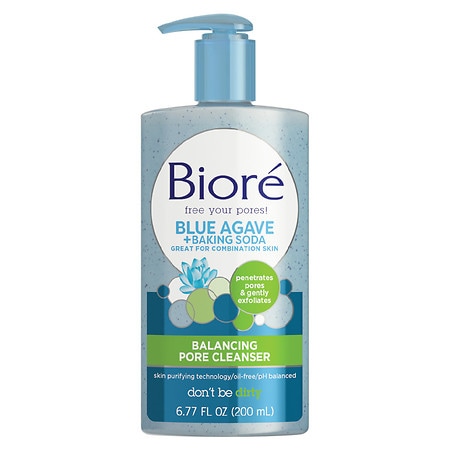
Cicatricure Antimanchas Face Wash AHA & PHA Facial Cleanser 5 fl. oz. (Pack of 3)
Analysis updated October 2026 · How Scout scores
At a glance
Summary
This face wash contains beneficial ingredients like glycerin, lactic acid, and sodium hyaluronate, which provide moisturizing and exfoliating benefits. However, the presence of phenoxyethanol, parfum, and BHT, which are associated with potential irritation and health concerns, lowers its overall safety profile. The product also includes PEG compounds and synthetic fragrance, which contribute to a moderate level of processing.
Key ingredients 27
PanthenolVery Good
Panthenol is a form of Vitamin B5 used for its moisturizing and soothing properties. It helps to improve skin hydration and reduce inflammation. It is beneficial for maintaining skin health.
Risks
There are minimal risks associated with panthenol.
Benefits
It enhances skin hydration and promotes healing.
BisabololVery Good
Bisabolol is a natural compound known for its soothing and anti-inflammatory properties. It helps to calm irritated skin and reduce redness. It is beneficial for sensitive skin types.
Risks
There are minimal risks associated with bisabolol.
Benefits
It provides soothing and calming effects on the skin.
GlycerinGood
Glycerin is a humectant that attracts moisture to the skin, helping to keep it hydrated. It is widely used in skincare for its moisturizing properties. It enhances the skin's natural barrier function.
Risks
There are minimal risks associated with glycerin, though it can be sticky.
Benefits
It helps to maintain skin hydration and improve skin texture.
Lauryl GlucosideGood
Lauryl Glucoside is a mild surfactant derived from natural sources like coconut oil and glucose. It is used for its gentle cleansing properties. It is suitable for sensitive skin types.
Risks
It is generally considered safe with low irritation potential.
Benefits
It provides gentle cleansing without stripping the skin of natural oils.
GluconolactoneGood
Gluconolactone is a polyhydroxy acid (PHA) known for its gentle exfoliating properties. It is suitable for sensitive skin and helps to improve skin texture. It also provides antioxidant benefits.
Risks
There are minimal risks, though overuse can lead to mild irritation.
Benefits
It gently exfoliates the skin while providing hydration and antioxidant protection.
Salicylic AcidGood
Salicylic Acid is a beta hydroxy acid (BHA) used for its ability to penetrate and exfoliate inside the pores. It is effective in treating acne and improving skin clarity. It helps to reduce inflammation and redness.
Risks
Overuse can lead to dryness and irritation, especially in sensitive skin.
Benefits
It helps to clear clogged pores and reduce acne breakouts.
Sodium HyaluronateGood
Sodium Hyaluronate is a form of hyaluronic acid known for its excellent moisturizing properties. It helps to retain moisture and improve skin elasticity. It is beneficial for all skin types.
Risks
There are minimal risks associated with sodium hyaluronate.
Benefits
It provides deep hydration and improves skin texture.
WaterNeutral
Water is a common solvent used in cosmetics to dissolve other ingredients. It is essential for the formulation but does not provide direct skin benefits. It acts as a base for the product.
Risks
There are no significant risks associated with water in cosmetics.
Benefits
Water helps in the application and absorption of other active ingredients.
Cocamidopropyl BetaineNeutral
Cocamidopropyl Betaine is a surfactant derived from coconut oil, used to create foam and cleanse the skin. It is generally considered mild and less irritating than other surfactants. It helps to remove dirt and oil from the skin.
Risks
It can cause skin irritation in some individuals, especially those with sensitive skin.
Benefits
It provides effective cleansing while being gentler than harsher surfactants.
Disodium CocoamphodiacetateNeutral
Disodium Cocoamphodiacetate is a mild surfactant used to enhance the foaming and cleansing properties of a product. It is derived from coconut oil and is considered gentle. It helps to stabilize the foam in cleansing products.
Risks
It may cause mild irritation in very sensitive individuals.
Benefits
It contributes to a mild and effective cleansing action.
Lactic AcidNeutral
Standard formulation ingredient — neither beneficial nor harmful at typical use.
Risks
Overuse can lead to skin irritation and increased sensitivity to sunlight.
Benefits
It promotes smoother, more radiant skin by encouraging cell turnover.
Polyacrylate Crosspolymer-6Neutral
Polyacrylate Crosspolymer-6 is used as a thickening agent in cosmetics. It helps to stabilize and improve the texture of the product. It does not provide direct skin benefits.
Risks
There are no significant risks associated with this ingredient.
Benefits
It enhances the product's consistency and application.
Glycol DistearateNeutral
Glycol Distearate is used as an opacifying agent and emollient in cosmetics. It helps to improve the texture and appearance of the product. It does not provide direct skin benefits.
Risks
There are no significant risks associated with this ingredient.
Benefits
It enhances the product's appearance and feel.
PEG-150 DistearateNeutral
PEG-150 Distearate is an emulsifier and thickener used in cosmetics. It helps to stabilize formulations and improve texture. It does not provide direct skin benefits.
Risks
There is a potential for contamination with ethylene oxide and 1,4-dioxane.
Benefits
It helps to maintain the stability and consistency of the product.
Caprylyl GlycolNeutral
Caprylyl Glycol is used as a skin conditioning agent and preservative booster. It helps to improve the moisture content of the skin. It also enhances the efficacy of preservatives.
Risks
There are minimal risks, though it can cause mild irritation in sensitive skin.
Benefits
It provides moisturizing benefits and helps to preserve the product.
Sodium HydroxideNeutral
Sodium Hydroxide is used to adjust the pH of cosmetic formulations. It is necessary for maintaining the stability and efficacy of the product. It does not provide direct skin benefits.
Risks
In high concentrations, it can be irritating, but it is typically used in safe amounts.
Benefits
It helps to maintain the desired pH level of the product.
Laureth-4Neutral
Laureth-4 is used as an emulsifier and surfactant in cosmetics. It helps to blend ingredients and improve texture. It does not provide direct skin benefits.
Risks
There is a potential for contamination with 1,4-dioxane.
Benefits
It helps to stabilize formulations and improve product consistency.
Xanthan GumNeutral
Xanthan Gum is used as a thickening agent and stabilizer in cosmetics. It helps to improve the texture and stability of the product. It does not provide direct skin benefits.
Risks
There are no significant risks associated with xanthan gum.
Benefits
It enhances the product's texture and stability.
Polyquaternium-10Neutral
Polyquaternium-10 is used as a conditioning agent in cosmetics. It helps to improve the texture and feel of the skin. It does not provide direct skin benefits.
Risks
There are no significant risks associated with this ingredient.
Benefits
It enhances the smoothness and feel of the skin.
Synthetic FluorphlogopiteNeutral
Synthetic Fluorphlogopite is used as a filler and opacifying agent in cosmetics. It helps to improve the texture and appearance of the product. It does not provide direct skin benefits.
Risks
There are no significant risks associated with this ingredient.
Benefits
It enhances the product's appearance and feel.
Titanium DioxideNeutral
Titanium Dioxide is used as a pigment and UV filter in cosmetics. It helps to provide coverage and sun protection. It is considered safe when used in non-nano form.
Risks
Inhalation of nano-sized particles can be a concern, but it is generally safe in topical applications.
Benefits
It provides sun protection and improves product coverage.
1,2-HexanediolNeutral
1,2-Hexanediol is used as a solvent and preservative booster in cosmetics. It helps to improve the efficacy of preservatives. It does not provide direct skin benefits.
Risks
There are minimal risks associated with this ingredient.
Benefits
It enhances the preservation and stability of the product.
Hydrolyzed PearlNeutral
Hydrolyzed Pearl is used for its skin conditioning properties. It is believed to improve skin radiance and texture. It is a luxury ingredient often used in high-end cosmetics.
Risks
There are minimal risks, though it may not provide significant benefits.
Benefits
It is believed to enhance skin radiance and texture.
PhenoxyethanolBad
Phenoxyethanol is a preservative used to prevent microbial growth in cosmetics. It is effective but can cause irritation in some individuals. It is a common alternative to parabens.
Risks
It can cause skin irritation and allergic reactions in sensitive individuals.
Benefits
It helps to extend the shelf life of the product by preventing contamination.
ParfumBad
Parfum, or fragrance, is used to add scent to cosmetics. It is a common allergen and can cause irritation in sensitive individuals. It is often a mixture of various chemicals.
Risks
It can cause allergic reactions and skin irritation.
Benefits
It enhances the sensory experience of the product.
Disodium EDTABad
Processed additive flagged under Scout's ingredient doctrine.
Risks
There are minimal risks, though it can cause irritation in very sensitive skin.
Benefits
It enhances the stability and shelf life of the product.
BHTBad
BHT is an antioxidant used to prevent the oxidation of ingredients in cosmetics. It is controversial due to potential health concerns. It is used in low concentrations to stabilize formulations.
Risks
It may cause skin irritation and has potential links to health concerns.
Benefits
It helps to extend the shelf life of the product by preventing oxidation.
Get the full breakdown in the Scout appTake Scout shopping
Scan any product to see lab results, healthy alternatives, and your personalized analysis.
Download on theApp Store GET IT ONGoogle PlayAmazon pricing & content
Amazon price as of . Product prices and availability are accurate as of the date/time indicated and are subject to change. Any price and availability information displayed on Amazon.com at the time of purchase will apply to the purchase of this product.
CERTAIN CONTENT THAT APPEARS ON THIS SITE COMES FROM AMAZON. THIS CONTENT IS PROVIDED “AS IS” AND IS SUBJECT TO CHANGE OR REMOVAL AT ANY TIME.