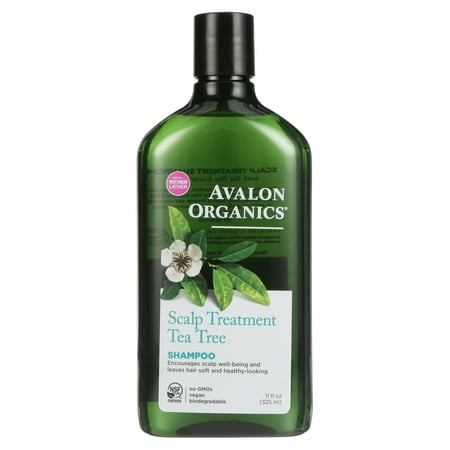
Avalon Organics Scalp Treatment Tea Tree Shampoo 11 fl oz
At a glance
Summary
This shampoo features several beneficial ingredients like aloe vera, tea tree oil, and coconut-derived surfactants, which are gentle on the scalp and provide soothing and antimicrobial benefits. However, the presence of sodium chloride, alcohol, and benzyl alcohol can contribute to scalp dryness and irritation, which slightly detracts from its overall safety and effectiveness. The product avoids harsh sulfates and parabens, maintaining a moderate processing level with a focus on natural ingredients. Its plastic packaging can shed microplastics into the product and lowers its score.
Key ingredients 31
Sodium coco-sulfateVery Good
Sodium coco-sulfate is a gentle surfactant derived from coconut oil, used for its cleansing properties. It is considered milder than traditional sulfates like SLS.
Risks
In rare cases, it may cause mild irritation for sensitive scalps.
Benefits
It effectively cleanses the hair without stripping natural oils, making it suitable for sensitive scalps.
Melaleuca alternifolia leaf oilVery Good
Tea tree oil is renowned for its antimicrobial and anti-inflammatory properties. It is effective in treating dandruff and soothing the scalp.
Risks
Can cause irritation or allergic reactions in some individuals if used undiluted.
Benefits
Helps reduce dandruff and soothe an irritated scalp, promoting overall scalp health.
Coco-glucosideVery Good
Coco-glucoside is a gentle, non-ionic surfactant derived from coconut oil and glucose. It is known for its mild cleansing properties.
Risks
Generally considered safe, though rare allergic reactions may occur.
Benefits
Provides gentle cleansing without stripping natural oils, making it suitable for sensitive scalps.
Aloe barbadensis leaf juiceGood
Aloe vera is known for its hydrating and soothing properties, making it beneficial for scalp health. It helps to moisturize the scalp and reduce irritation.
Risks
There are minimal risks associated with aloe vera, though some individuals may experience allergic reactions.
Benefits
Aloe vera can help soothe and hydrate the scalp, promoting healthier hair.
Decyl glucosideGood
Decyl glucoside is a mild, non-ionic surfactant derived from glucose and coconut oil. It is known for its gentle cleansing properties.
Risks
Generally considered safe, though it may cause mild irritation in very sensitive individuals.
Benefits
It is suitable for sensitive skin and helps maintain the natural balance of the scalp.
Citrus aurantium dulcis peel oilGood
Orange peel oil is used for its refreshing scent and potential antimicrobial properties. It can help invigorate the scalp.
Risks
May cause photosensitivity if exposed to sunlight immediately after application.
Benefits
Provides a pleasant fragrance and may help with scalp health due to its antimicrobial properties.
Eucalyptus globulus leaf oilGood
Eucalyptus oil is known for its refreshing scent and potential antimicrobial properties. It can help soothe the scalp.
Risks
May cause irritation in sensitive individuals if used in high concentrations.
Benefits
Helps invigorate the scalp and may contribute to a refreshing sensation.
Mentha arvensis leaf oilGood
Mint oil provides a cooling sensation and has potential antimicrobial properties. It can help refresh the scalp.
Risks
May cause irritation or allergic reactions in sensitive individuals.
Benefits
Offers a refreshing and cooling effect on the scalp, which can be invigorating.
Mentha piperita oilGood
Peppermint oil is known for its cooling and soothing properties. It can help stimulate blood circulation in the scalp.
Risks
Can cause irritation or allergic reactions if used in high concentrations.
Benefits
Helps invigorate the scalp and may promote hair growth by stimulating blood flow.
Rosmarinus officinalis leaf oilGood
Rosemary oil is used for its potential to stimulate hair growth and improve circulation. It also has antimicrobial properties.
Risks
May cause irritation or allergic reactions in sensitive individuals.
Benefits
Can help promote hair growth and improve scalp health due to its stimulating properties.
Avena sativa branGood
Oat bran is known for its soothing and anti-inflammatory properties. It can help calm an irritated scalp.
Risks
Generally considered safe, though rare allergic reactions may occur.
Benefits
Helps soothe and calm the scalp, reducing irritation and inflammation.
Calendula officinalis flower extractGood
Calendula extract is known for its soothing and healing properties. It can help reduce scalp irritation and promote healing.
Risks
Generally safe, but may cause allergic reactions in sensitive individuals.
Benefits
Promotes healing and soothes the scalp, reducing irritation and inflammation.
Chamomilla recutita flower extractGood
Chamomile extract is known for its calming and anti-inflammatory properties. It can help soothe an irritated scalp.
Risks
May cause allergic reactions in individuals sensitive to chamomile.
Benefits
Helps calm and soothe the scalp, reducing irritation and promoting relaxation.
Chenopodium quinoa seedGood
Quinoa seed is rich in proteins and amino acids, which can help strengthen and protect hair. It is also known for its moisturizing properties.
Risks
Generally considered safe, though rare allergic reactions may occur.
Benefits
Helps strengthen and protect hair, while providing moisture and nourishment.
Tocopheryl acetateGood
Tocopheryl acetate is a form of vitamin E, known for its antioxidant properties. It helps protect the scalp and hair from oxidative stress.
Risks
Generally safe, but may cause mild irritation in sensitive individuals.
Benefits
Provides antioxidant protection, helping to maintain healthy scalp and hair.
Babassu oil polyglyceryl-4 estersGood
Derived from babassu oil, this ingredient acts as an emollient and helps condition the hair. It is known for its moisturizing properties.
Risks
Generally considered safe, though rare allergic reactions may occur.
Benefits
Helps condition and moisturize the hair, improving its texture and appearance.
Beta-glucanGood
Beta-glucan is known for its soothing and moisturizing properties. It can help calm an irritated scalp and provide hydration.
Risks
Generally considered safe, though rare allergic reactions may occur.
Benefits
Helps soothe and hydrate the scalp, promoting overall scalp health.
BisabololGood
Bisabolol is known for its soothing and anti-inflammatory properties. It can help calm an irritated scalp and reduce redness.
Risks
Generally considered safe, though rare allergic reactions may occur.
Benefits
Helps soothe and calm the scalp, reducing irritation and promoting healing.
Glyceryl oleateGood
Glyceryl oleate is an emulsifier and conditioning agent derived from natural oils. It helps improve the texture and feel of the hair.
Risks
Generally considered safe, though rare allergic reactions may occur.
Benefits
Helps condition and soften the hair, improving its texture and appearance.
InulinGood
Inulin is a natural polysaccharide known for its moisturizing properties. It can help condition the hair and improve its texture.
Risks
Generally considered safe, though rare allergic reactions may occur.
Benefits
Helps moisturize and condition the hair, improving its texture and appearance.
WaterNeutral
Water is a common solvent used in cosmetic formulations to dissolve other ingredients. It is essential for creating the desired consistency of the product.
Risks
There are no significant risks associated with water in cosmetic products.
Benefits
Water acts as a base for the formulation, allowing other ingredients to be effectively distributed.
Sodium laurylglucosides hydroxypropylsulfonateNeutral
This ingredient is a mild surfactant used for its cleansing properties. It is less harsh than traditional sulfates.
Risks
May cause mild irritation in sensitive individuals.
Benefits
Provides gentle cleansing without excessive drying of the scalp.
Citric acidNeutral
Citric acid is used to adjust the pH of cosmetic formulations. It helps maintain the stability and effectiveness of the product.
Risks
May cause irritation in sensitive individuals if used in high concentrations.
Benefits
Helps maintain the pH balance of the product, ensuring its stability and effectiveness.
Sodium chlorideNeutral
Standard formulation ingredient — neither beneficial nor harmful at typical use.
Risks
May cause dryness and irritation, especially in sensitive scalps.
Benefits
Helps thicken the product, improving its texture and consistency.
Sodium phytateNeutral
Sodium phytate is used as a chelating agent to stabilize cosmetic formulations. It helps prevent the degradation of the product.
Risks
Generally considered safe, though rare allergic reactions may occur.
Benefits
Helps stabilize the product, ensuring its effectiveness and longevity.
Sodium sulfateNeutral
Sodium sulfate is used as a filler and thickening agent in cosmetic formulations. It helps improve the texture and consistency of the product.
Risks
Generally considered safe, though it may cause mild irritation in sensitive individuals.
Benefits
Helps improve the texture and consistency of the product, making it easier to use.
AlcoholNeutral
Standard formulation ingredient — neither beneficial nor harmful at typical use.
Risks
May cause dryness and irritation, especially in sensitive scalps.
Benefits
Helps dissolve other ingredients and preserve the product.
Benzyl alcoholBad
Benzyl alcohol is used as a preservative and solvent in cosmetic formulations. It can cause irritation and dryness of the scalp.
Risks
May cause irritation and dryness, especially in sensitive scalps.
Benefits
Helps preserve the product and dissolve other ingredients.
Potassium sorbateBad
Synthetic preservative — flagged in daily-use products.
Risks
Generally considered safe, though rare allergic reactions may occur.
Benefits
Helps preserve the product, ensuring its safety and effectiveness.
Sodium benzoateBad
Synthetic preservative that can form benzene in the presence of vitamin C.
Risks
Generally considered safe, though rare allergic reactions may occur.
Benefits
Helps preserve the product, ensuring its safety and effectiveness.
LimoneneBad
Processed additive flagged under Scout's ingredient doctrine.
Risks
May cause irritation or allergic reactions in sensitive individuals.
Benefits
Provides a pleasant citrus fragrance to the product.
Processing
Processed Foods
Get the full breakdown in the Scout appTake Scout shopping
Scan any product to see lab results, healthy alternatives, and your personalized analysis.
Are you Avalon Organics? Fix an error Get the badge Get tested
Amazon pricing & content
Amazon price as of . Product prices and availability are accurate as of the date/time indicated and are subject to change. Any price and availability information displayed on Amazon.com at the time of purchase will apply to the purchase of this product.
CERTAIN CONTENT THAT APPEARS ON THIS SITE COMES FROM AMAZON. THIS CONTENT IS PROVIDED “AS IS” AND IS SUBJECT TO CHANGE OR REMOVAL AT ANY TIME.