


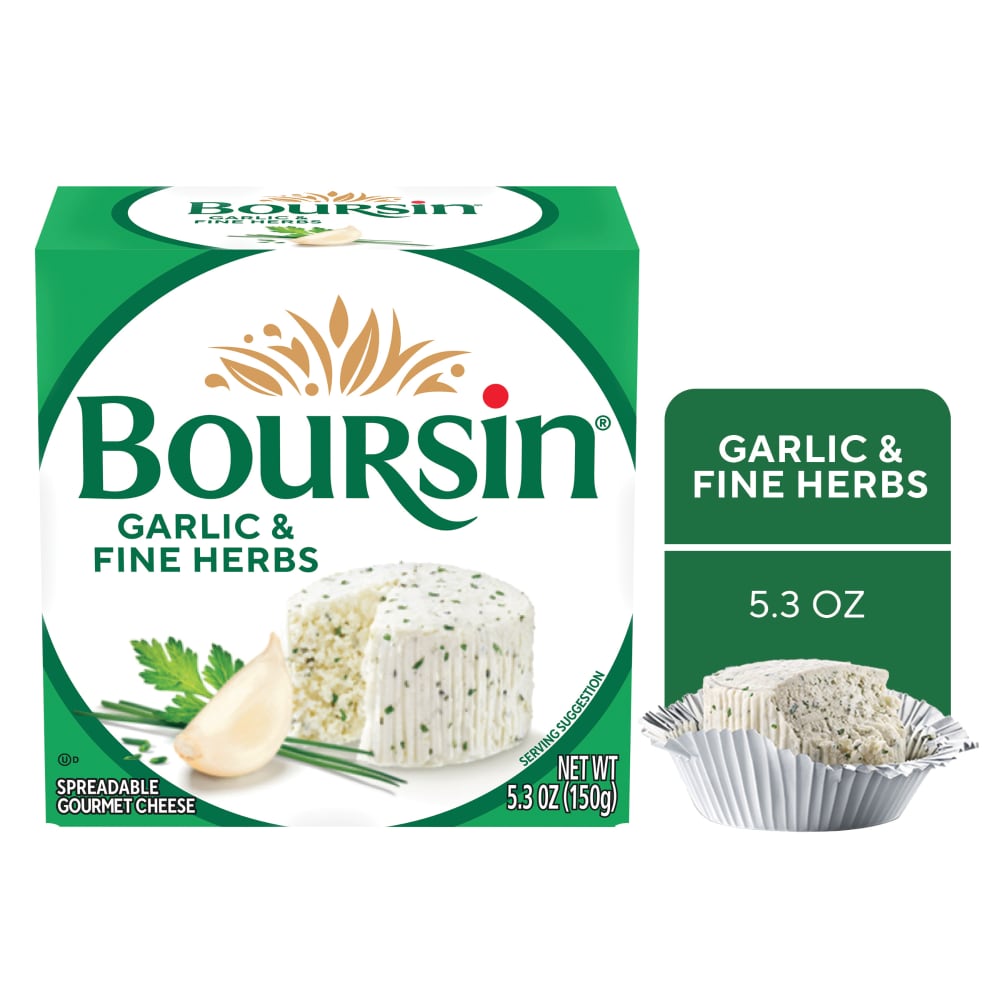

At a glance
Summary
This cream cheese spread is moderately processed, containing pasteurized milk and cream, which are beneficial for providing essential nutrients. However, the inclusion of guar gum as a thickening agent adds to its processing level, which can impact digestive health if consumed excessively. The presence of a natural mold inhibitor and cheese culture contributes positively, but the overall processing level limits its score.
Key ingredients 5
Pasteurized Milk And CreamGood
Pasteurized milk and cream are primary dairy ingredients providing essential nutrients like calcium and protein. The pasteurization process ensures safety by eliminating harmful bacteria. These ingredients are fundamental in cheese production, contributing to the creamy texture and flavor.
Benefits
Rich in calcium and protein, supporting bone health and muscle maintenance.
Cheese CultureGood
Cheese culture is essential for the fermentation process in cheese making, contributing to flavor and texture development. It consists of beneficial bacteria that aid in the fermentation process. These cultures are crucial for developing the characteristic taste of cheese.
Benefits
Promotes fermentation, enhancing flavor and texture while supporting gut health with beneficial bacteria.
SaltNeutral
Salt is used as a seasoning and preservative in cheese products. It enhances flavor and helps in the preservation process. However, excessive salt intake can lead to health issues such as hypertension.
Risks
High sodium intake may contribute to increased blood pressure and cardiovascular issues.
Benefits
Enhances flavor and acts as a preservative in food products.
Guar GumNeutral
Standard formulation ingredient — neither beneficial nor harmful at typical use.
Risks
May cause digestive discomfort such as bloating or gas when consumed in large amounts.
Benefits
Improves texture and stability of food products, allowing for a consistent product experience.
NatamycinNeutral
Natamycin is a natural mold inhibitor used to extend the shelf life of dairy products. It is considered safe and effective for preventing mold growth. As a natural preservative, it reduces the need for artificial additives.
Benefits
Prevents mold growth, extending the shelf life of dairy products without artificial preservatives.
Processing
Processed Foods
Get the full breakdown in the Scout appTake Scout shopping
Scan any product to see lab results, healthy alternatives, and your personalized analysis.
Download on theApp Store GET IT ONGoogle Play