
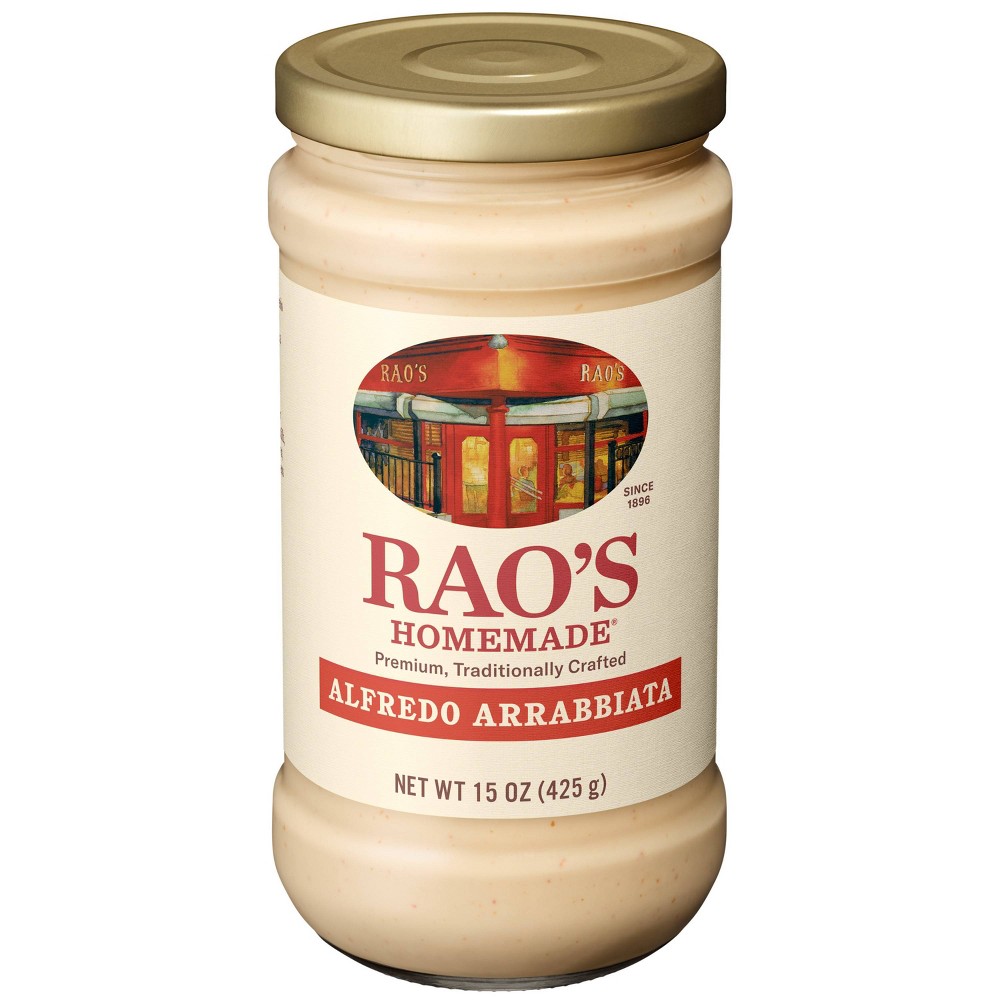


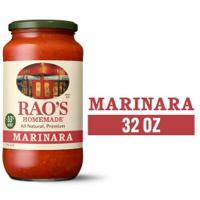
Rao's Homemade Alfredo Arrabbiata Pasta Sauce - 15oz: Mild Spice Level
Analysis updated September 2026 · How Scout scores
At a glance
Summary
This pasta sauce contains high-quality ingredients like light cream, butter, and aged cheeses, which contribute to its rich flavor and nutritional benefits. However, the presence of additives such as disodium phosphate and xanthan gum, along with its classification as an ultra-processed product, limits its overall healthiness. The processing level and use of synthetic stabilizers prevent it from achieving a higher score despite the beneficial ingredients.
Key ingredients 11
Light creamGood
Light cream is a source of high-quality dairy fat and protein. It provides a rich texture and flavor to the sauce. The presence of cream and milk indicates a less processed form of dairy.
Risks
Potential risks include lactose intolerance or dairy allergies for sensitive individuals.
Benefits
Provides essential fatty acids and fat-soluble vitamins like vitamin A and D. Contributes to the creamy texture and taste of the sauce.
ButterGood
Butter is a natural source of saturated fats and fat-soluble vitamins. It enhances the flavor and richness of the sauce. The use of natural flavor suggests minimal processing.
Risks
High in saturated fats, which should be consumed in moderation to avoid cardiovascular risks.
Benefits
Contains vitamins A, D, E, and K, which are important for various bodily functions. Adds a rich, creamy flavor to the sauce.
Parmesan cheeseGood
Parmesan cheese is a high-quality source of protein and calcium. It is aged, which enhances its flavor and digestibility. The use of part-skim milk reduces fat content while maintaining nutritional value.
Risks
Contains lactose, which may cause issues for lactose-intolerant individuals.
Benefits
Rich in calcium and protein, supporting bone health and muscle maintenance. Provides a savory, umami flavor to the sauce.
Parmigiano Reggiano cheeseGood
Parmigiano Reggiano is a high-quality, aged cheese known for its rich flavor and nutritional benefits. It is made using traditional methods, ensuring a natural product. The aging process enhances its digestibility and flavor profile.
Risks
Contains lactose, which may be problematic for lactose-intolerant individuals.
Benefits
Rich in protein and calcium, supporting bone and muscle health. Provides a complex, savory flavor to the sauce.
Sea saltGood
Sea salt is a natural source of sodium and trace minerals. It is less processed than table salt, retaining more natural minerals. Its use enhances the flavor of the sauce without excessive processing.
Risks
Excessive sodium intake can lead to hypertension and cardiovascular issues.
Benefits
Provides essential sodium and trace minerals. Enhances the overall flavor of the sauce.
Romano cheeseNeutral
Romano cheese adds a sharp, tangy flavor to the sauce. It is a source of protein and calcium. The use of cultures and enzymes indicates traditional cheese-making processes.
Risks
May cause allergic reactions in individuals sensitive to dairy.
Benefits
Provides protein and calcium, contributing to bone health. Enhances the overall flavor profile of the sauce.
Enzyme modified egg yolkNeutral
Enzyme modified egg yolk is used as an emulsifier to improve texture and stability. It is derived from eggs, providing lecithin and other nutrients. The modification process enhances its functional properties in food applications.
Risks
May pose allergy risks for individuals with egg allergies.
Benefits
Acts as a natural emulsifier, improving the sauce's consistency. Provides lecithin, which is beneficial for cell membrane health.
Ground red pepperNeutral
Ground red pepper adds mild spice and flavor to the sauce. It is a natural ingredient with minimal processing. The spice level is mild, making it suitable for a wide range of palates.
Risks
May cause irritation for individuals sensitive to spicy foods.
Benefits
Adds flavor and a mild heat to the sauce, enhancing its taste profile.
Xanthan gumNeutral
Fermentation-derived thickener, well tolerated at food-use levels.
Risks
May cause digestive issues such as bloating and gas in sensitive individuals.
Benefits
Improves the texture and consistency of the sauce, preventing separation.
Modified food starchBad
Chemically modified starch additive.
Risks
May cause digestive issues in sensitive individuals if consumed in large amounts.
Benefits
Improves the texture and stability of the sauce, ensuring a consistent product.
Disodium phosphateBad
Disodium phosphate is an additive used to stabilize and emulsify foods. It is a synthetic ingredient that can contribute to the ultra-processed nature of the product. Its use is common in processed foods to maintain texture and consistency.
Risks
Excessive intake may lead to imbalances in phosphate levels, affecting kidney function.
Benefits
Helps maintain the texture and stability of the sauce, preventing separation.
Processing
Ultra-Processed Foods
Get the full breakdown in the Scout appTake Scout shopping
Scan any product to see lab results, healthy alternatives, and your personalized analysis.
Download on theApp Store GET IT ONGoogle PlayAmazon pricing & content
Amazon price as of . Product prices and availability are accurate as of the date/time indicated and are subject to change. Any price and availability information displayed on Amazon.com at the time of purchase will apply to the purchase of this product.
CERTAIN CONTENT THAT APPEARS ON THIS SITE COMES FROM AMAZON. THIS CONTENT IS PROVIDED “AS IS” AND IS SUBJECT TO CHANGE OR REMOVAL AT ANY TIME.