
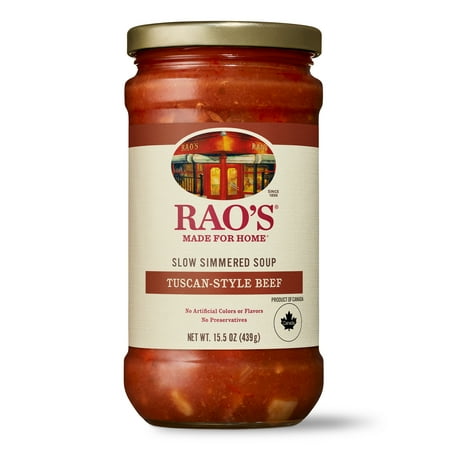
Rao s Made for Home Tuscan Style Beef Soup Quick Ready to Eat Soup No Preservatives 16 oz
Analysis updated August 2026 · How Scout scores
At a glance
Summary
This soup contains several beneficial ingredients such as beef broth, beef, and vegetables, which provide essential nutrients and flavor. However, it is classified as ultra-processed due to the presence of ingredients like natural flavors and brown sugar, which are associated with higher levels of processing. Despite the use of olive oil, the overall processing level limits its healthiness.
Key ingredients 19
Olive OilVery Good
Olive oil is a high-quality monounsaturated fat with anti-inflammatory properties. It contains antioxidants that support heart health. Cold-pressed extraction preserves beneficial compounds.
Benefits
Rich in monounsaturated fats that support heart health and provide anti-inflammatory properties.
Beef BrothGood
Beef broth is a source of collagen and minerals that support joint and gut health. It is typically made by simmering beef bones, which extracts nutrients. The quality depends on the source of the beef and the preparation method.
Benefits
Provides collagen and minerals that can support joint health and digestion.
BeefGood
Beef is a rich source of high-quality protein and essential nutrients like iron and B vitamins. Grass-fed beef is preferable due to higher omega-3 content and better fat profile. It supports muscle growth and maintenance.
Risks
Excessive consumption of red meat may be linked to certain health issues, but moderate intake is generally safe.
Benefits
Rich in protein and essential nutrients, supporting muscle growth and overall health.
PotatoesGood
Beneficial ingredient — whole-food or functional value in this product class.
Risks
High glycemic index may affect blood sugar levels if consumed in large quantities.
Benefits
Provides carbohydrates for energy and contains some vitamins and minerals.
Tomato PuréeGood
Tomato purée is rich in lycopene, an antioxidant that may reduce the risk of certain diseases. It is made by cooking and straining tomatoes, preserving nutrients. It adds flavor and nutritional value to dishes.
Benefits
Rich in antioxidants like lycopene, which may support heart health and reduce inflammation.
CarrotsGood
Carrots are high in beta-carotene, which the body converts to vitamin A, supporting vision and immune function. They are a whole food with minimal processing. Carrots also provide fiber and other nutrients.
Benefits
Rich in beta-carotene and fiber, supporting vision and digestive health.
Italian TomatoesGood
Italian tomatoes are known for their rich flavor and are a good source of vitamins C and K. They are minimally processed and retain their nutritional benefits. They contribute to the overall flavor and nutrient profile of the soup.
Benefits
Provides vitamins and antioxidants, enhancing flavor and nutritional value.
OnionsGood
Onions are rich in antioxidants and compounds that may support heart health and reduce inflammation. They are a whole food with minimal processing. Onions add flavor and nutritional benefits to dishes.
Benefits
Contains antioxidants and compounds that support heart health and reduce inflammation.
GarlicGood
Garlic is known for its potential health benefits, including antimicrobial properties and heart health support. It is a whole food with minimal processing. Garlic adds flavor and nutritional benefits to dishes.
Benefits
Contains compounds that may support heart health and have antimicrobial effects.
Red Wine VinegarGood
Red wine vinegar is made from fermented red wine and contains acetic acid, which may support digestion. It is a minimally processed ingredient. It adds flavor and potential health benefits to dishes.
Benefits
May support digestion and adds flavor to dishes.
SpicesGood
Spices are used to enhance flavor and may provide various health benefits depending on the type. They are minimally processed and can contain antioxidants. Spices contribute to the overall flavor profile and nutritional value of dishes.
Benefits
Enhances flavor and may provide antioxidants and other health benefits.
CeleryNeutral
Celery is low in calories and provides some vitamins and minerals. It is a whole food with minimal processing. Celery adds flavor and a small amount of nutrients to dishes.
Benefits
Provides some vitamins and minerals, contributing to overall nutrition.
Parmesan CheeseNeutral
Parmesan cheese is a source of protein and calcium, supporting bone health. It is made from milk, salt, cultures, and enzymes, with minimal additives. The aging process enhances flavor and digestibility.
Risks
Contains lactose, which may be a concern for those with lactose intolerance.
Benefits
Provides protein and calcium, supporting bone health and adding flavor.
SaltNeutral
Salt is used to enhance flavor and preserve food. It is a processed culinary ingredient. While necessary for bodily functions, excessive intake can lead to health issues.
Risks
High sodium intake can contribute to hypertension and cardiovascular issues.
Benefits
Essential for maintaining fluid balance and nerve function.
Beef FatNeutral
Beef fat is a source of saturated fat and adds flavor to dishes. It is a natural fat derived from beef. While it provides energy, excessive intake of saturated fats can be a concern.
Risks
High intake of saturated fats may increase the risk of heart disease.
Benefits
Adds flavor and provides energy, but should be consumed in moderation.
Food StarchNeutral
Food starch is used as a thickening agent and is typically derived from corn or potatoes. It is a processed ingredient with minimal nutritional value. It helps improve texture and consistency in foods.
Benefits
Improves texture and consistency in foods but lacks nutritional benefits.
Brown SugarBad
Brown sugar is a refined sugar that can contribute to increased calorie intake and blood sugar spikes. It is processed and lacks significant nutritional benefits. Excessive consumption can lead to health issues.
Risks
May contribute to obesity, diabetes, and other metabolic disorders when consumed in excess.
Benefits
Provides quick energy but lacks significant nutritional benefits.
Yeast ExtractBad
Concentrated glutamate source — MSG-adjacent flavor enhancer.
Risks
May contain glutamates, which some individuals are sensitive to.
Benefits
Provides B vitamins and enhances flavor with umami notes.
Natural FlavorBad
Natural flavor is a catch-all term that can include a variety of substances, often processed. It lacks transparency and can mask the presence of additives. The term does not guarantee natural sourcing or minimal processing.
Risks
May contain undisclosed additives and allergens, posing risks for sensitive individuals.
Benefits
Enhances flavor but lacks nutritional benefits and transparency.
Processing
Ultra-Processed Foods
Get the full breakdown in the Scout appTake Scout shopping
Scan any product to see lab results, healthy alternatives, and your personalized analysis.
Download on theApp Store GET IT ONGoogle PlayAmazon pricing & content
Amazon price as of . Product prices and availability are accurate as of the date/time indicated and are subject to change. Any price and availability information displayed on Amazon.com at the time of purchase will apply to the purchase of this product.
CERTAIN CONTENT THAT APPEARS ON THIS SITE COMES FROM AMAZON. THIS CONTENT IS PROVIDED “AS IS” AND IS SUBJECT TO CHANGE OR REMOVAL AT ANY TIME.