
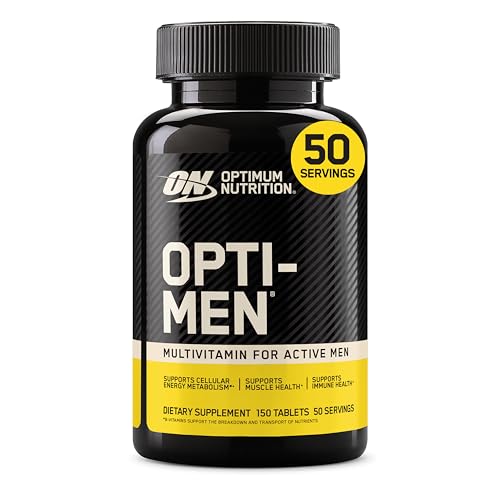





Optimum Nutrition Opti-Men Multivitamin (150ct)
Analysis updated July 2026 · How Scout scores
At a glance
Summary
This multivitamin contains a range of essential vitamins and minerals, such as Vitamin C, Vitamin D, and Zinc, which are crucial for immune support and overall health. The formulation is free from harmful additives like artificial dyes and sweeteners, and it includes bioavailable forms of nutrients, enhancing its effectiveness. The product's clean ingredient list and minimal processing contribute to its high rating.
Key ingredients 19
Vitamin CVery Good
Vitamin C is a powerful antioxidant that supports the immune system and skin health. It is essential for the synthesis of collagen, which is important for skin, cartilage, and bone health. Vitamin C also enhances iron absorption from plant-based foods.
Benefits
Boosts immune function, supports skin health, and enhances iron absorption.
Vitamin DVery Good
Vitamin D is crucial for calcium absorption and bone health. It plays a role in immune function and has been linked to mood regulation. Vitamin D is synthesized in the skin upon exposure to sunlight, but supplementation is often necessary in low-sunlight regions.
Benefits
Supports bone health and immune function, and may aid in mood regulation.
Vitamins AVery Good
Vitamin A is essential for vision, immune function, and skin health. It is involved in the maintenance of epithelial tissues and is crucial for growth and development. Vitamin A can be obtained from animal sources or converted from carotenoids in plant foods.
Risks
Excessive intake can lead to toxicity, causing liver damage and other health issues.
Benefits
Supports vision, immune function, and skin health.
B6Very Good
Vitamin B6 is involved in amino acid metabolism, neurotransmitter synthesis, and hemoglobin production. It supports brain health and may help reduce symptoms of depression. Vitamin B6 is water-soluble and must be consumed regularly.
Risks
High doses can cause nerve damage.
Benefits
Supports brain health and neurotransmitter synthesis.
B12Very Good
Vitamin B12 is crucial for nerve function, red blood cell formation, and DNA synthesis. It is primarily found in animal products, making supplementation important for vegetarians and vegans. Vitamin B12 deficiency can lead to anemia and neurological issues.
Benefits
Supports nerve function and red blood cell formation.
RiboflavinGood
Riboflavin, also known as Vitamin B2, is essential for energy production and cellular function. It is a water-soluble vitamin that helps in the metabolism of fats, drugs, and steroids. Riboflavin is crucial for maintaining healthy skin and eyes.
Benefits
Supports energy production and is vital for maintaining healthy skin and eyes.
BiotinGood
Biotin is a B-vitamin that plays a key role in the health of hair, skin, and nails. It is involved in the metabolism of carbohydrates, fats, and proteins. Biotin is often used to support healthy hair and nail growth.
Benefits
Promotes healthy hair, skin, and nails, and supports metabolic processes.
Alpha Lipoic AcidGood
Alpha Lipoic Acid is an antioxidant that helps protect cells from oxidative damage. It is involved in energy metabolism and may improve insulin sensitivity. Alpha Lipoic Acid is both water and fat-soluble, allowing it to work in various parts of the cell.
Risks
High doses may cause gastrointestinal discomfort.
Benefits
Protects cells from oxidative damage and may improve insulin sensitivity.
ZincGood
Zinc is an essential mineral that supports immune function, wound healing, and DNA synthesis. It is involved in over 300 enzymatic reactions in the body. Zinc is crucial for growth and development, especially during childhood and pregnancy.
Risks
Excessive intake can lead to nausea and impaired immune function.
Benefits
Supports immune function, wound healing, and is essential for growth and development.
InositolGood
Inositol is a carbohydrate that plays a role in cell membrane formation and signaling. It is often used to support mental health and may help regulate mood. Inositol is naturally found in many foods, including fruits and grains.
Risks
High doses may cause gastrointestinal issues.
Benefits
Supports mental health and cell membrane formation.
NiacinGood
Niacin, or Vitamin B3, is important for energy production and DNA repair. It helps maintain healthy skin and nerves and has been used to improve cholesterol levels. Niacin is water-soluble and must be consumed regularly as it is not stored in the body.
Risks
High doses can cause flushing and liver damage.
Benefits
Supports energy production and helps maintain healthy skin and nerves.
Alpha CaroteneGood
Alpha Carotene is a precursor to Vitamin A and acts as an antioxidant. It helps protect cells from oxidative damage and supports eye health. Alpha Carotene is found in orange and yellow vegetables and fruits.
Benefits
Acts as an antioxidant and supports eye health.
LuteinGood
Lutein is a carotenoid that supports eye health by protecting against oxidative damage. It is concentrated in the retina and may help prevent age-related macular degeneration. Lutein is found in green leafy vegetables and egg yolks.
Benefits
Supports eye health and may prevent age-related macular degeneration.
ZeaxanthinGood
Zeaxanthin is a carotenoid that, like lutein, is important for eye health. It helps filter harmful blue light and protects the eyes from oxidative stress. Zeaxanthin is found in corn, saffron, and green leafy vegetables.
Benefits
Protects eyes from blue light and oxidative stress.
CopperGood
Copper is a trace mineral that is important for iron metabolism, connective tissue formation, and brain function. It acts as a cofactor for several enzymes involved in energy production. Copper is found in nuts, seeds, and shellfish.
Risks
Excessive intake can lead to toxicity and liver damage.
Benefits
Supports iron metabolism and connective tissue formation.
SeleniumGood
Selenium is a trace mineral that acts as an antioxidant and supports thyroid function. It is important for immune health and may help reduce the risk of certain cancers. Selenium is found in Brazil nuts, seafood, and meats.
Risks
High doses can cause selenosis, leading to hair loss and nail brittleness.
Benefits
Acts as an antioxidant and supports thyroid function.
Vitamin B5Good
Vitamin B5, or pantothenic acid, is essential for the synthesis of coenzyme A, which is involved in fatty acid metabolism. It supports energy production and the synthesis of hormones and neurotransmitters. Vitamin B5 is widely available in both plant and animal foods.
Benefits
Supports energy production and hormone synthesis.
VanadiumNeutral
Vanadium is a trace mineral that may play a role in bone health and glucose metabolism. Its biological role in humans is not well-defined, and it is not considered essential. Vanadium is sometimes used in supplements for its potential insulin-mimetic effects.
Risks
Excessive intake may lead to gastrointestinal issues and other health concerns.
Benefits
May support bone health and glucose metabolism, though more research is needed.
Folic AcidNeutral
Standard formulation ingredient — neither beneficial nor harmful at typical use.
Benefits
Essential for DNA synthesis and repair, and crucial during pregnancy to prevent neural tube defects.
Processing
Unprocessed or Minimally Processed Foods
Get the full breakdown in the Scout appTake Scout shopping
Scan any product to see lab results, healthy alternatives, and your personalized analysis.
Download on theApp Store GET IT ONGoogle PlayAmazon pricing & content
Amazon price as of . Product prices and availability are accurate as of the date/time indicated and are subject to change. Any price and availability information displayed on Amazon.com at the time of purchase will apply to the purchase of this product.
CERTAIN CONTENT THAT APPEARS ON THIS SITE COMES FROM AMAZON. THIS CONTENT IS PROVIDED “AS IS” AND IS SUBJECT TO CHANGE OR REMOVAL AT ANY TIME.