



At a glance
Summary
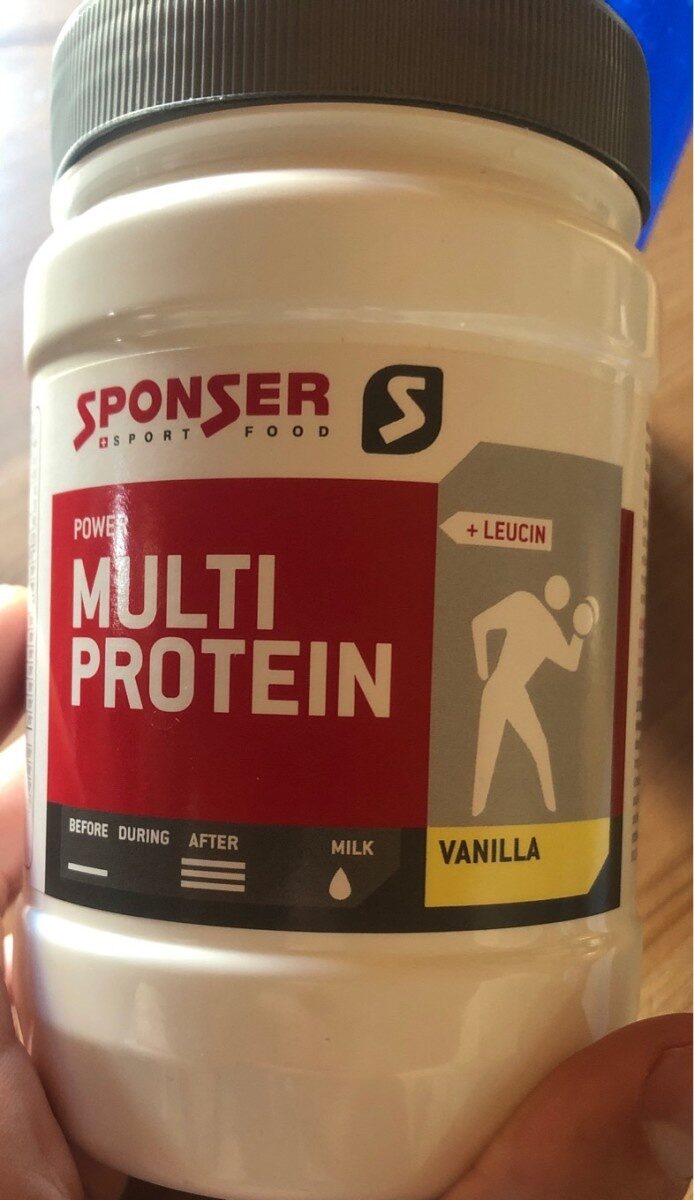
This protein powder contains high-quality protein sources like milk protein isolate, whey protein isolate, and ovalbumin, which are beneficial for muscle growth and recovery. However, the presence of artificial sweeteners such as acesulfame K and neotame raises concerns due to potential health effects. Additionally, the product includes several additives, which contribute to its level of processing, impacting the overall score.
Key ingredients 15
Whey Protein IsolateVery Good
Whey protein isolate is a highly refined form of protein with minimal lactose and fat. It is rapidly absorbed, making it ideal for post-workout recovery. This ingredient is known for its high biological value and effectiveness in supporting muscle growth.
Benefits
Rich in branched-chain amino acids (BCAAs) that are crucial for muscle recovery and growth.
Milk Protein IsolateGood
Milk protein isolate is a high-quality protein source with a complete amino acid profile. It is derived from milk and undergoes minimal processing to retain its nutritional value. This ingredient supports muscle growth and repair.
Benefits
Provides essential amino acids necessary for muscle protein synthesis and overall health.
OvalbuminGood
Ovalbumin is a high-quality protein derived from egg whites, offering a complete amino acid profile. It is well-absorbed and supports muscle maintenance and growth. This ingredient is a staple in many protein supplements due to its nutritional benefits.
Risks
Potential allergen for individuals with egg allergies.
Benefits
Provides essential amino acids and supports muscle protein synthesis.
L-LeucineGood
L-Leucine is a branched-chain amino acid (BCAA) that plays a critical role in muscle protein synthesis. It is often added to supplements to enhance muscle recovery and growth. This amino acid is particularly important for athletes and bodybuilders.
Benefits
Enhances muscle recovery and supports lean muscle mass development.
Magnesium CarbonateGood
Beneficial ingredient — whole-food or functional value in this product class.
Risks
Excessive intake may lead to digestive issues such as diarrhea.
Benefits
Supports bone health and muscle function.
Vitamin CGood
Vitamin C is an essential nutrient known for its antioxidant properties and role in collagen synthesis. It supports immune function and skin health. This vitamin is crucial for overall health and well-being.
Benefits
Boosts immune function and supports skin health.
NiacinGood
Niacin, also known as vitamin B3, is important for energy metabolism and maintaining healthy skin. It supports cardiovascular health and helps reduce cholesterol levels. This vitamin is essential for overall health.
Risks
High doses may cause flushing and liver damage.
Benefits
Supports energy production and cardiovascular health.
Vitamin EGood
Vitamin E is a fat-soluble antioxidant that protects cells from oxidative damage. It supports immune function and skin health. This vitamin is important for maintaining overall health and preventing chronic diseases.
Risks
High doses may increase the risk of bleeding.
Benefits
Protects cells from oxidative damage and supports immune health.
Pantothenic AcidGood
Pantothenic acid, or vitamin B5, is essential for synthesizing coenzyme A, which is crucial for energy metabolism. It supports adrenal function and helps reduce stress. This vitamin is important for overall health and well-being.
Benefits
Supports energy metabolism and stress reduction.
Vitamin B6Good
Vitamin B6 is important for protein metabolism and cognitive development. It supports immune function and helps produce neurotransmitters. This vitamin is essential for brain health and overall well-being.
Risks
High doses may cause nerve damage.
Benefits
Supports brain health and immune function.
Vitamin B12Good
Vitamin B12 is crucial for red blood cell formation and neurological function. It supports energy production and DNA synthesis. This vitamin is essential for maintaining overall health and preventing anemia.
Benefits
Supports energy production and neurological health.
Guar GumNeutral
Guar gum is a natural thickening agent derived from guar beans. It is used to improve texture and stability in food products. This ingredient is generally recognized as safe when consumed in typical amounts.
Risks
Excessive consumption may cause digestive discomfort.
Benefits
Helps improve the texture and consistency of food products.
Xanthan GumNeutral
Xanthan gum is a polysaccharide used as a thickening and stabilizing agent in foods. It is produced through fermentation and is widely used in the food industry. This ingredient is considered safe for most people.
Risks
May cause digestive issues in sensitive individuals when consumed in large amounts.
Benefits
Improves the texture and stability of food products.
Acesulfame KBad
Acesulfame K is an artificial sweetener used to provide sweetness without calories. It is often criticized for its potential health effects and lack of long-term safety data. This ingredient is used in many processed foods and beverages.
Risks
Concerns about potential carcinogenic effects and metabolic impacts.
Benefits
Provides sweetness without adding calories.
NeotameBad
Neotame is a highly potent artificial sweetener used in very small amounts. It is chemically similar to aspartame but more stable and sweeter. Concerns exist regarding its safety and potential health impacts.
Risks
Potential health concerns related to artificial sweeteners, including metabolic effects.
Benefits
Provides intense sweetness with minimal caloric contribution.
Processing
Ultra-Processed Foods
Get the full breakdown in the Scout appTake Scout shopping
Scan any product to see lab results, healthy alternatives, and your personalized analysis.
Download on theApp Store GET IT ONGoogle Play